
Orthodontics

A Healthy, Balanced Smile with Orthodontics

Crowded teeth, gaps and bite problems don’t only affect how your smile looks; they can affect your oral health too. Orthodontics is the branch of dentistry that moves the teeth and jaws into a better position.

At our clinic in Bağcılar, we assess each patient’s teeth and needs individually and build a personal orthodontic plan. Options range from traditional braces to tooth-coloured ceramic braces and clear aligners.

The goal isn’t just straight teeth. It’s a healthy bite, easier cleaning and a smile you can keep for the long term.

Wondering whether orthodontics is only cosmetic or also about health? Read our article Is orthodontic treatment really necessary?

What Is Orthodontics and What Does It Treat?

Orthodontics looks at how the teeth sit in the jaws and how the upper and lower jaws meet, and aims to correct any irregularities.

Teeth that aren't straight, jaws that don't meet properly, or gaps between the teeth may all call for orthodontic treatment.

Orthodontic treatment mainly aims to:

  • Straighten crowded or overlapping teeth
  • Close gaps between the teeth
  • Correct how the upper and lower jaws meet
  • Support proper chewing
  • Make the teeth easier to clean
  • Improve the look of your smile

The type and severity of orthodontic problems vary from person to person. That's why treatment should begin with an oral examination, the necessary imaging and an orthodontic assessment.
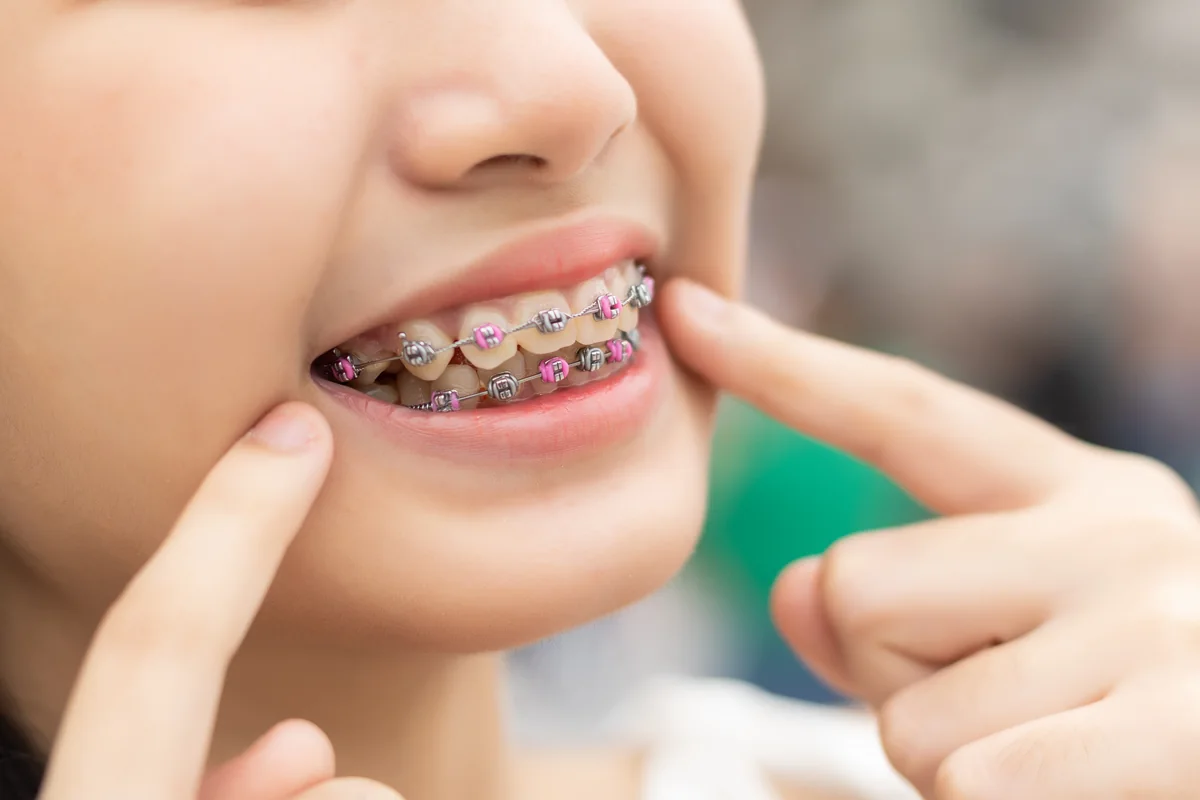
Metal braketli diş teli yakın plan görünümü
With fixed braces, brackets are bonded to the teeth and a wire guides their movement.

Tooth and Jaw Problems Orthodontics Can Treat

Not every alignment problem is the same. Sometimes moving the teeth is enough; in other cases the relationship between the jaws has to be part of the plan too.

Crowding

When there isn't enough room in the jaw, teeth can overlap or turn.

Gaps between teeth

Wider-than-normal gaps can matter for both appearance and function.

Lower jaw too far forward or back

A mismatch between the upper and lower jaws can cause bite problems and change your facial profile.

Deep bite

The upper front teeth cover the lower front teeth more than they should.

Open bite

Some upper and lower teeth don't touch when the mouth is closed.

Crossbite

Upper and lower teeth meet in the wrong relationship to each other.

Assessing these problems early makes it easier to find the right treatment.

Orthodontic Treatment Options

Clear aligners

Removable, transparent trays. You take them out to eat, drink and brush; progress is followed at regular check-ups.

Metal braces

Widely used for cases of all levels of difficulty, and a common choice for children and teenagers.

Ceramic braces

Tooth-coloured ceramic brackets combine the effectiveness of metal braces with a more discreet look.

Functional appliances

Removable or fixed appliances that guide jaw growth in growing children.

Retainers

Worn at night after treatment to hold the teeth in their new position.

Ortodontik tedavide braket uygulaması
The right option is chosen after an examination and orthodontic assessment.

Orthodontic problems can look purely cosmetic, but crooked teeth and a poor bite can strain the jaw joint and contribute to gum problems.

Straight teeth are easier to clean, so orthodontic treatment can make daily care simpler and help lower the risk of decay and gum disease.

When to treat, and how, is decided after an oral examination and the necessary imaging.

Clear Aligners or Braces?

One of the most common questions is how clear aligners compare with traditional braces. Both aim to move the teeth into a better position, but they differ in how you wear them, how visible they are and which cases they suit.

Şeffaf plak ortodonti tedavisi kullanan hasta
Aligners are custom-made and come out for eating and brushing.

Aligners or brackets?

It’s one of the questions we hear most. A quick comparison:

FeatureClear alignersMetal / ceramic braces
VisibilityBarely visibleVisible (less so with ceramic)
Removable?✓ Out for eating and brushing✗ Fixed, can’t be removed
Complex casesModerately effective✓ Suitable for most cases
Discipline neededWorn 20–22 hours a dayWorks without daily effort
Easy to keep clean✓ Very easyNeeds careful brushing
For children / teensDepends on discipline✓ Usually a better fit

So which should you choose?

There’s no single answer. Whether your case is mild, moderate or complex, the method is decided after a thorough examination. Aligners aren’t right for every case; sometimes fixed braces give more control.

The decision should consider the current state of your teeth and jaws, not just how you’d like it to look.

When Should Children Start Orthodontic Care?

Keeping an eye on how a child's teeth and jaws develop helps spot orthodontic problems early.

A first orthodontic check is generally recommended around age 7. At this stage baby teeth and adult teeth are both present, which tells us a lot about jaw growth and how the teeth are coming through.

An early check doesn't mean every child starts treatment straight away. For some, regular monitoring is enough; for others, early treatment can make use of the growth period.

Signs a child may need an orthodontic check:

  • Teeth coming through noticeably crowded
  • Upper or lower jaw too far forward or back
  • Constant mouth breathing
  • Losing baby teeth early
  • Late or irregular eruption of teeth
  • Chewing or bite problems

For more on your child's overall dental health, see our children's dentistry page.

Can Adults Have Braces?

Orthodontics isn't just for children and teenagers. Adults with healthy teeth and gums can have treatment too.

Crowding, gaps and bite problems can be corrected in adulthood. Age alone isn't a barrier; what matters is whether your oral health and teeth are suitable.

For adults, besides metal braces, ceramic braces and, where suitable, clear aligners can be considered.

The plan takes into account gum health, bone support, existing fillings and anything else going on in your mouth. Where appearance is the main concern, orthodontics can also be part of a smile design plan.

How Does Orthodontic Treatment Work?

1. First consultation and records

We assess your teeth with a digital scan and X-rays, then explain the options and expected treatment time in detail.

2. Your treatment plan

We prepare the plan, walk you through the stages and estimated timeline, and begin once you agree.

3. Fitting the appliance

Depending on the method, we bond the brackets or hand you your first aligners, along with instructions.

4. Regular check-ups

Check-ups every 4–8 weeks or so keep treatment on track. Wires are changed or new aligners provided as needed.

5. Retention

Once active treatment ends, a retainer holds the result in place. This stage matters as much as the treatment itself.

How Long Do Braces or Aligners Take?

Treatment time depends on how crowded the teeth are, the jaw relationship, the method chosen and how well you follow the plan.

Many cases are completed in roughly 12–24 months. Simpler cases can be quicker; complex ones may take longer.

With aligners, not wearing them for the recommended hours can throw the stages off track and make treatment longer.

A firm timeline can only be given after an orthodontic examination and assessment.

Do Braces or Aligners Hurt?

As the teeth move, you may feel mild pressure, tenderness or temporary discomfort.

It's most noticeable in the first days after braces go on or are adjusted, or when you switch to a new aligner. It usually eases as your mouth adapts.

Brackets can rub the inside of the cheeks or lips and cause temporary irritation. If pain is severe, lasts a long time or affects daily life, see your orthodontist.

Caring for Your Teeth with Braces

Good oral hygiene during treatment is essential for healthy teeth and gums. Fixed braces in particular create spots where food and plaque can collect.

  • Brush at least twice a day with fluoride toothpaste.
  • Clean carefully around the brackets and along the gum line.
  • Use interdental brushes and floss.
  • Cut down on sugary and sticky foods.
  • Take care when biting hard foods.
  • Don't miss your check-up appointments.

If you wear aligners, clean your teeth after taking them out and look after the aligners as your dentist advises.

Poor oral care can lead to decay around the brackets. Advanced decay may need root canal treatment, which is why regular check-ups matter throughout.

Frequently Asked Questions

At what age should orthodontic treatment start?

For guiding jaw growth, ages 7–10 are a good window. Braces and aligners usually wait until the adult teeth are in. Adults can start at any age.

How long does treatment with braces take?

It depends on how crowded the teeth are, the jaw relationship and the method chosen. Many cases take 12–24 months; simpler ones can be shorter and complex ones longer. A firm timeline is given after an orthodontic examination.

Do braces or aligners hurt?

You may feel mild pressure, tenderness or temporary discomfort as the teeth move, mostly in the first days after braces are fitted or when you start a new aligner. It eases with time. If pain is severe or lasting, see your dentist.

Which works better, aligners or braces?

Both can work well in the right case. Whether aligners suit you depends on your case; for some complex tooth and jaw problems fixed braces may be preferred. The decision is made after an examination and imaging.

What are clear aligners?

Clear aligner treatment uses a series of custom-made, removable trays to move the teeth step by step. In suitable cases it's discreet and easy to live with.

How many hours a day do I wear aligners?

Most aligner treatments recommend around 20–22 hours a day. You take them out to eat and clean your teeth. Your orthodontist will set the exact wear time for your plan.

Will braces affect my speech?

At the start, especially with some appliances, your speech may sound slightly different for a while. Most people adjust quickly. Aligners can also cause a slight change in the first few days.

Can I eat normally with braces?

Yes, though soft foods are best for the first few days. Avoid hard or sticky foods that could damage the brackets.

Will my teeth move back after treatment?

Teeth can tend to drift back. That's why wearing your retainer as advised and keeping up with check-ups is so important.

Do braces cause tooth decay?

Braces don't cause decay directly, but plaque builds up more easily around brackets, so poor cleaning raises the risk of decay and gum problems. Thorough, regular cleaning helps keep that risk down.

Will I need teeth taken out?

Not always. Whether extractions are needed depends on your jaw, the position of the teeth, the space available and the goals of treatment.

How do I book an orthodontic consultation in Bağcılar?

Call Ayla Dent or contact us through any of our channels to book an orthodontic assessment. At the visit we'll examine your teeth and explain the options that suit you.