
Even if you brush regularly, plaque and tartar can build up over time, especially along the gum line and between the teeth. These deposits affect oral hygiene and can lead to gum problems.
Scaling is a preventive treatment that professionally removes hardened plaque from the teeth. As an important part of regular oral care, it helps keep your gums healthy and supports good hygiene.
At our clinic in Bağcılar, we assess your oral health and provide professional cleaning to suit your needs. Scaling is one of the key preventive treatments within general dentistry.
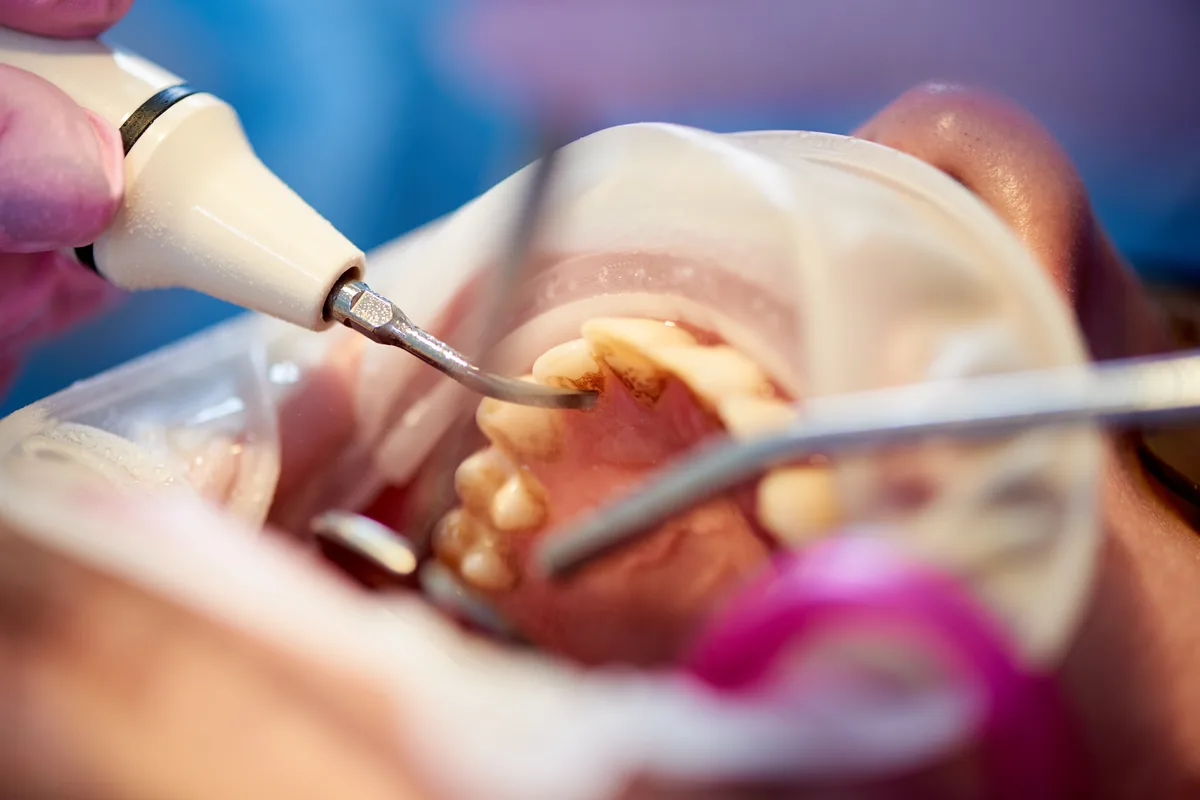
Tartar forms when the bacterial plaque on your teeth hardens over time with minerals from saliva. It tends to build up along the gum line and on the back surfaces of the teeth.
Plaque starts out soft and can be removed with good daily care. Once it hardens into tartar, a toothbrush or floss can't fully remove it, so professional cleaning may be needed.
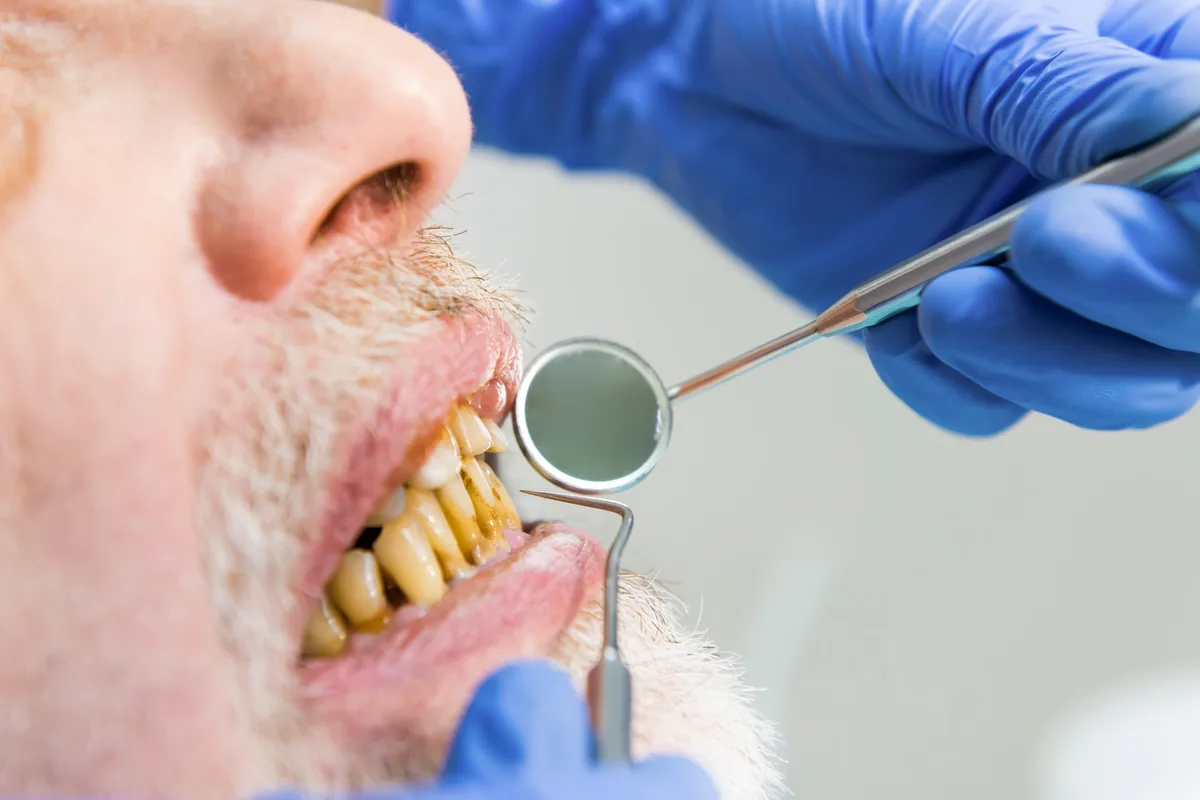
Tartar build-up can be linked to:
If you notice any of these, it's worth having your oral health checked by a dentist.
Your dentist plans the cleaning after examining your mouth. Hardened deposits on the teeth and along the gum line are then removed with professional devices and hand instruments.
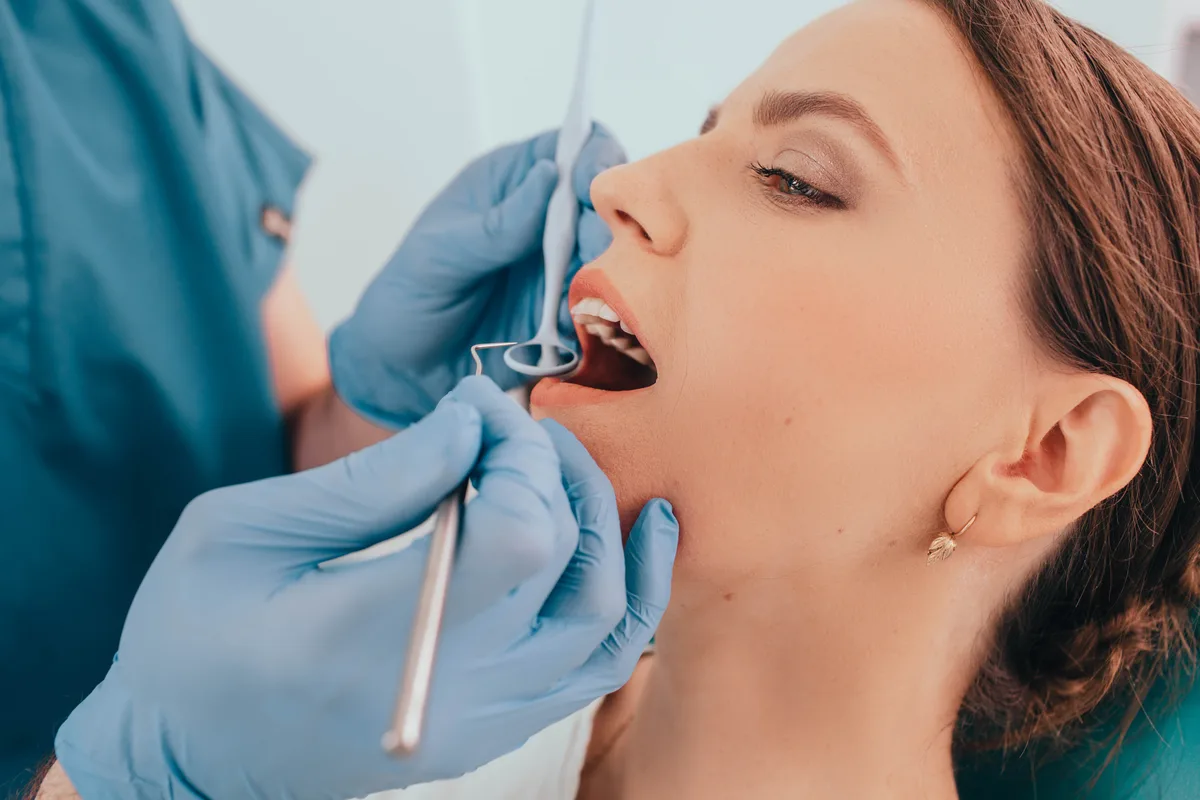
We look at how much tartar has built up and the health of your gums. If needed, we also do an X-ray assessment.
Hard deposits are removed from the teeth with suitable instruments.
Where needed, the tooth surfaces are cleaned and smoothed so plaque doesn't stick as easily.
We give you advice on brushing, flossing and other daily care.
How long it takes and the method used depend on the amount of tartar and your oral health.
When a dentist does it with the right technique, scaling isn't expected to harm the enamel. Removing hardened plaque helps protect your gums.
Some people have temporary sensitivity or bleeding gums afterwards. This usually settles quickly; if it doesn't, see your dentist.
Your teeth may feel as if there are gaps between them. Usually that's because the tartar that filled those spaces has gone and the natural tooth surfaces are showing again.
It depends on your oral health and how quickly tartar forms. Plaque build-up, saliva and gum health differ from person to person, so there's no single interval that's right for everyone.
Sticking to the check-up schedule your dentist recommends helps keep tartar in check and catch gum problems early.
Daily habits matter as much as professional cleaning. To slow tartar build-up and protect your oral health:

For tips on building good habits early, see our children's dentistry page.