
Brushing regularly is one of the most basic ways to protect your oral health. But healthy teeth depend on more than how often you brush; technique matters too. Poor brushing habits can leave tooth surfaces not properly cleaned and, over time, lead to gum problems.
So how many times a day should you brush, for how long, and with what technique? Here’s what you need to know for a healthy smile.
How Many Times a Day Should You Brush?
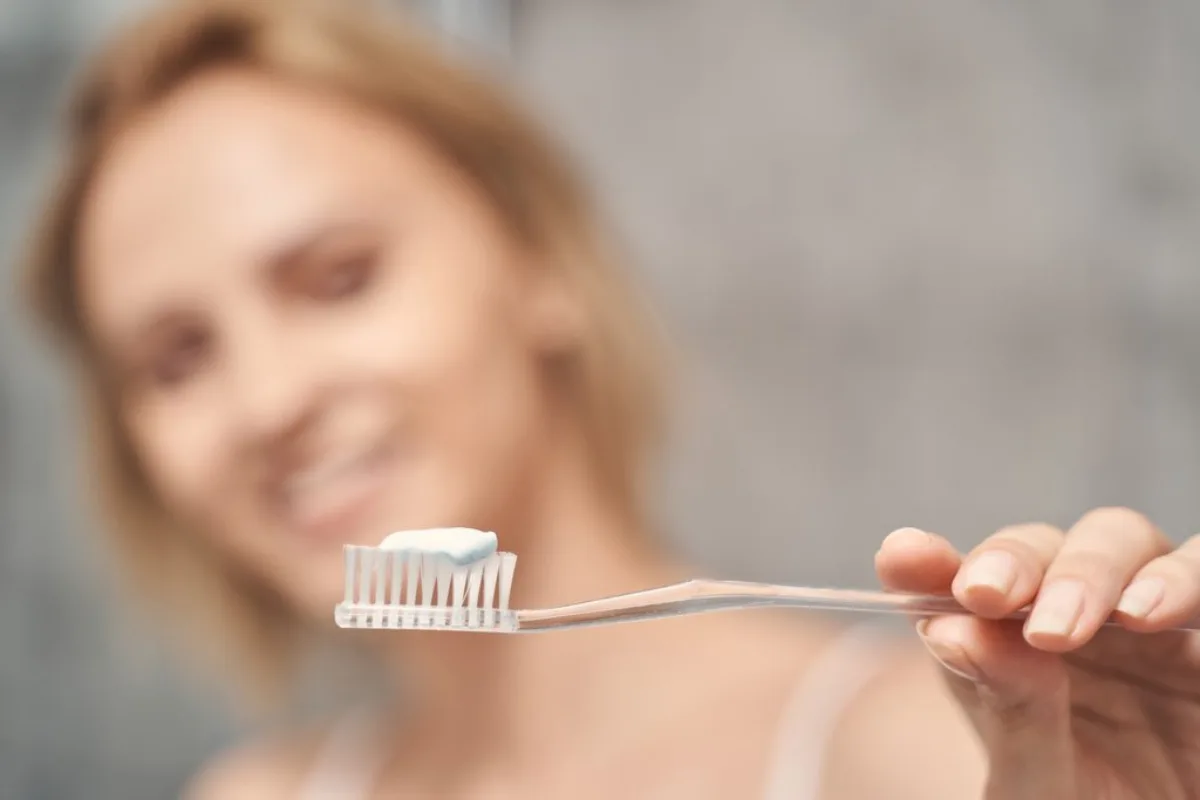
Brush at least twice a day, morning and evening, for two minutes each time with a fluoride toothpaste. This helps remove the bacterial plaque that builds up on tooth surfaces and lowers the risk of cavities.
Brushing before bed matters most. During sleep, saliva flow drops and the mouth’s natural cleaning slows down. So cleaning your teeth at night helps clear the plaque that has built up during the day.
The American Dental Association (ADA) recommends brushing twice a day for two minutes with fluoride toothpaste.
How Long Should You Brush?
To clean your teeth effectively, brush for at least two minutes. A shorter session makes it harder to clean every surface properly.
To use the two minutes well, divide your mouth into four sections:
- Upper right
- Upper left
- Lower right
- Lower left
Spend about 30 seconds on each section and you’ll clean every surface evenly.
The timers on some electric toothbrushes can help you reach the recommended time.
What Is the Right Brushing Technique?
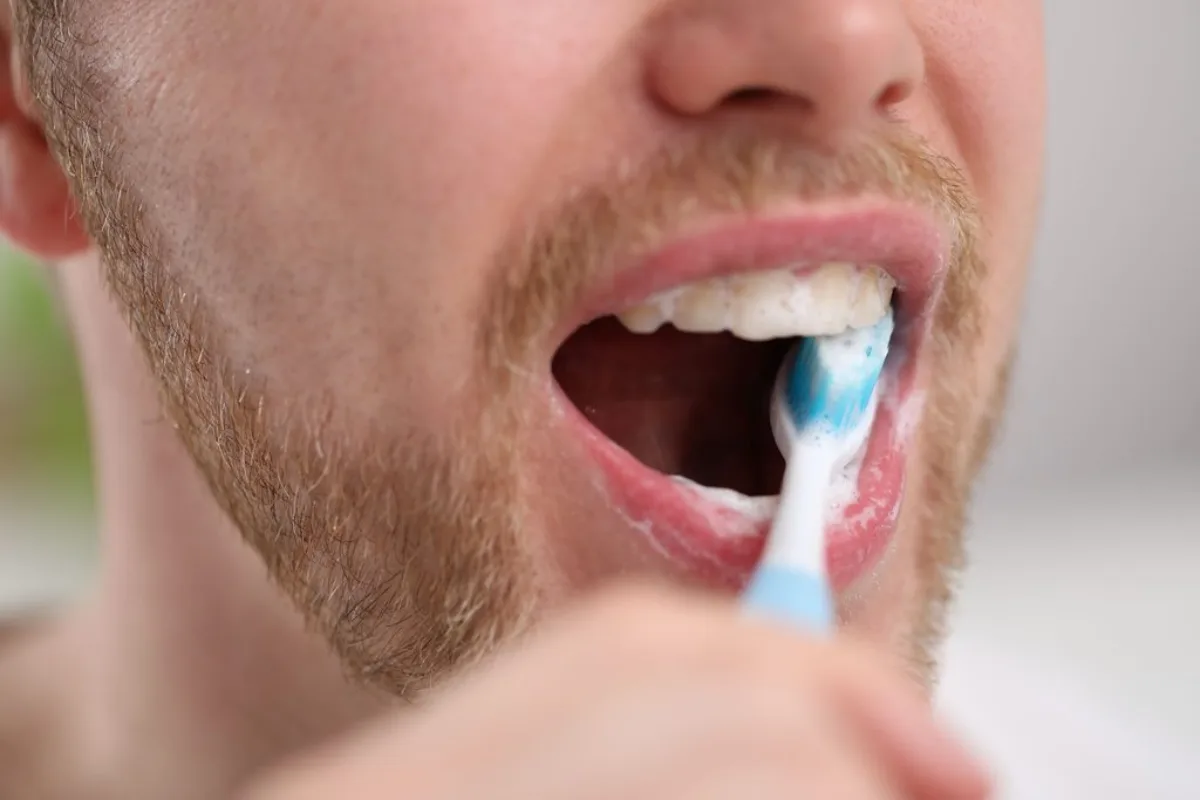
For brushing to work, the front, back and chewing surfaces of all teeth need cleaning. Use gentle, controlled movements rather than pressing hard.
For proper brushing, follow these steps:
1. Angle the Brush Correctly
Hold the brush at about 45 degrees to the gum line. This angle helps clean the plaque that collects where the teeth meet the gum.
2. Use Gentle, Short Strokes
Avoid hard, fast scrubbing. Move the brush in short, controlled strokes to clean the outer surfaces of your teeth.
Pressing too hard can contribute to enamel wear and receding gums.
3. Don’t Forget the Inner Surfaces
The inner surfaces facing the tongue are often neglected. They need the same care.
For the inner surfaces of the front teeth, tilt the brush upright and use gentle up-and-down strokes.
4. Clean the Chewing Surfaces
Food and plaque can build up on the chewing surfaces of the back teeth. Clean them with a back-and-forth motion.
5. Brush Your Tongue
Bacteria on the tongue can cause bad breath. At the end of brushing, gently clean your tongue to finish the job.
Which Matters More: Morning or Evening?
Brushing in the morning and in the evening are two steps that complement each other. Brushing only in the morning, or only in the evening, may not control the plaque that builds up through the day.
Morning brushing helps clear the plaque that collects in your mouth overnight. Evening brushing removes the food debris and bacterial plaque that builds up on your teeth during the day.
Make cleaning your teeth before bed a habit.
How to Choose a Toothbrush
Choose a brush that suits your teeth and gums. In general, a soft-bristled brush with a small or medium head is recommended.
Soft bristles help avoid too much pressure on the gums, while a small head can reach the hard-to-reach areas of your mouth more easily.
What to look for in a toothbrush:
- Soft bristles
- A head sized to suit your mouth
- A handle that’s comfortable to hold
- Easy access to every tooth surface
If you have sensitive gums, receding gums or are in orthodontic treatment, it’s best to use the type of brush your dentist recommends.
Electric or Manual Toothbrush?
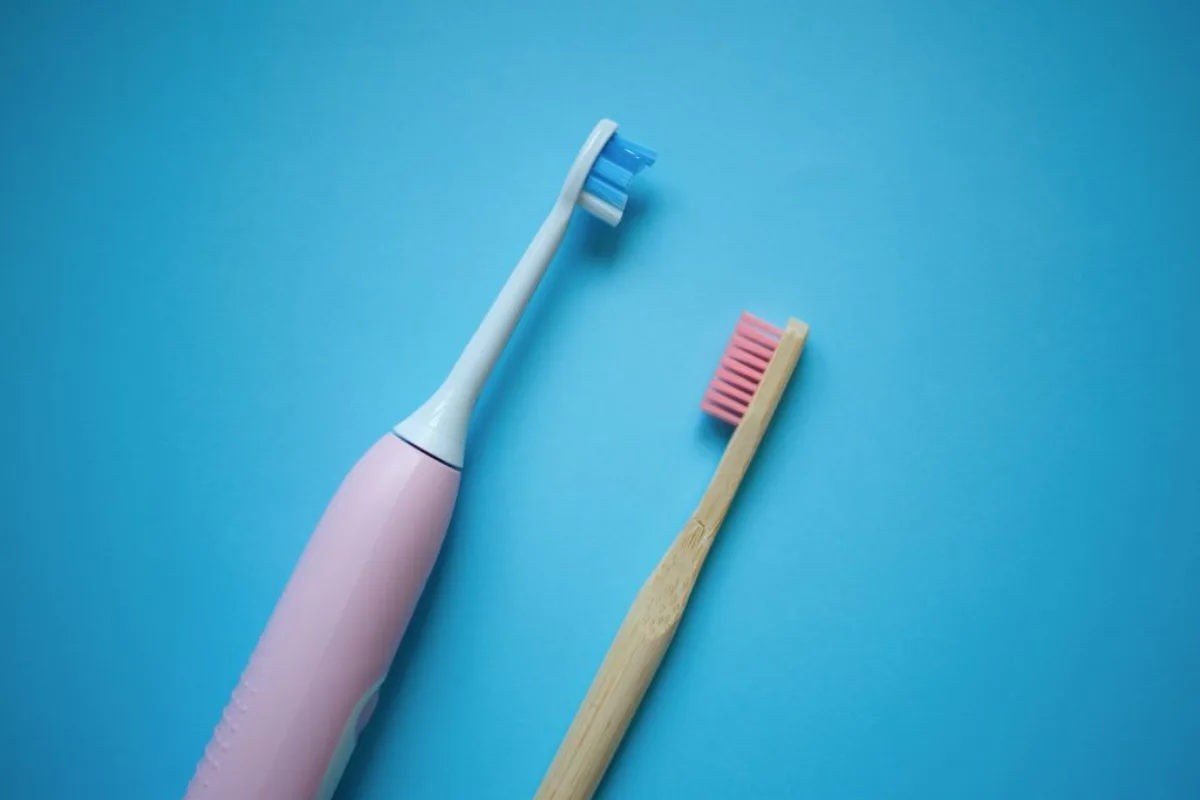
Both manual and electric brushes can clean well when used correctly. What matters is using the one you choose regularly and with the right technique.
Electric brushes, with features such as timers and pressure sensors, can support good brushing habits. Manual brushes are easy to carry and clean effectively with the right technique.
When deciding which suits you, consider your teeth, gum health and personal needs.
When Should You Replace Your Toothbrush?
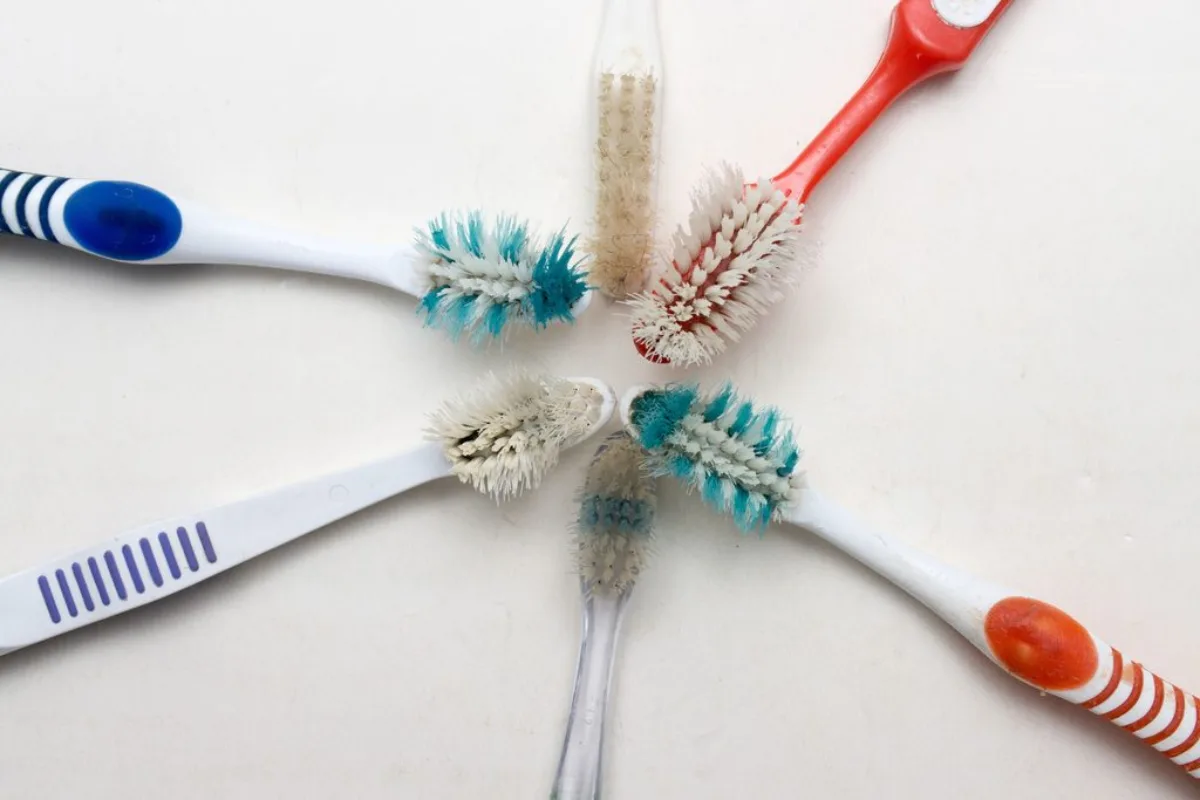
Bristles wear down over time and clean less effectively. So it’s recommended to replace your toothbrush, or the head of an electric one, about every three to four months.
If the bristles lose their shape sooner, don’t wait. Worn bristles make it harder to clean tooth surfaces properly.
After using it, rinse the brush well and leave it upright where air can reach it so it dries.
Common Brushing Mistakes
Avoiding bad habits matters as much as building good ones.
The most common mistakes are:
- Brushing only once a day
- Not brushing for the full two minutes
- Pressing too hard on the gums
- Cleaning only the visible front surfaces
- Skipping floss
- Not replacing a worn brush
- Brushing hard straight after acidic food or drink
Remember that enamel can be temporarily softer after acidic food or drink. After that, it’s better to rinse your mouth with water and wait a while before brushing.
Keep Your Smile Healthy with Ayla Dent
Healthy teeth begin with making good brushing part of your daily life. With regular brushing, flossing and professional check-ups, you can protect your oral health in the long run.
At our clinic in Bağcılar, Ayla Dent offers examinations and treatments to protect your oral health. If you have questions about your teeth, get in touch, and you can book an appointment using our free examination.
Frequently Asked Questions
Is brushing three times a day harmful?
Brushing with the right technique and without pressing hard usually isn’t a problem. But brushing too often or too hard can irritate the gums and wear the tooth surface. The basic daily advice is twice a day for two minutes each time.
Should I rinse with water after brushing?
After brushing, spit out the excess toothpaste and avoid rinsing with lots of water. That can help the fluoride stay on your teeth for longer.
Does brushing harder clean better?
No. How well you clean depends more on technique and time than on pressure. Brushing hard can increase the risk of gum recession and wear on tooth surfaces.
Does brushing remove tartar?
Regular brushing can reduce the plaque that leads to tartar. But once plaque hardens into tartar it can’t be brushed off at home and needs a professional scale and polish.
What if my gums bleed when I brush?
Bleeding gums can be a sign of gum inflammation or another oral problem. If it continues, see a dentist. Rather than stopping brushing altogether, use a gentle technique and find out what’s causing it.
Is it right to brush straight after eating?
After acidic food or drink, enamel softens for a short time, and brushing then can wear it. In that case, rinse with water and wait a while before brushing.
How much toothpaste should I use?
For adults, a pea-sized amount of fluoride toothpaste is enough. More toothpaste doesn’t clean better; it’s technique and time that count.
Should I floss before or after brushing?
Either order works. What matters is cleaning between your teeth every day. Flossing before brushing can make it easier to brush away the debris it loosens.