
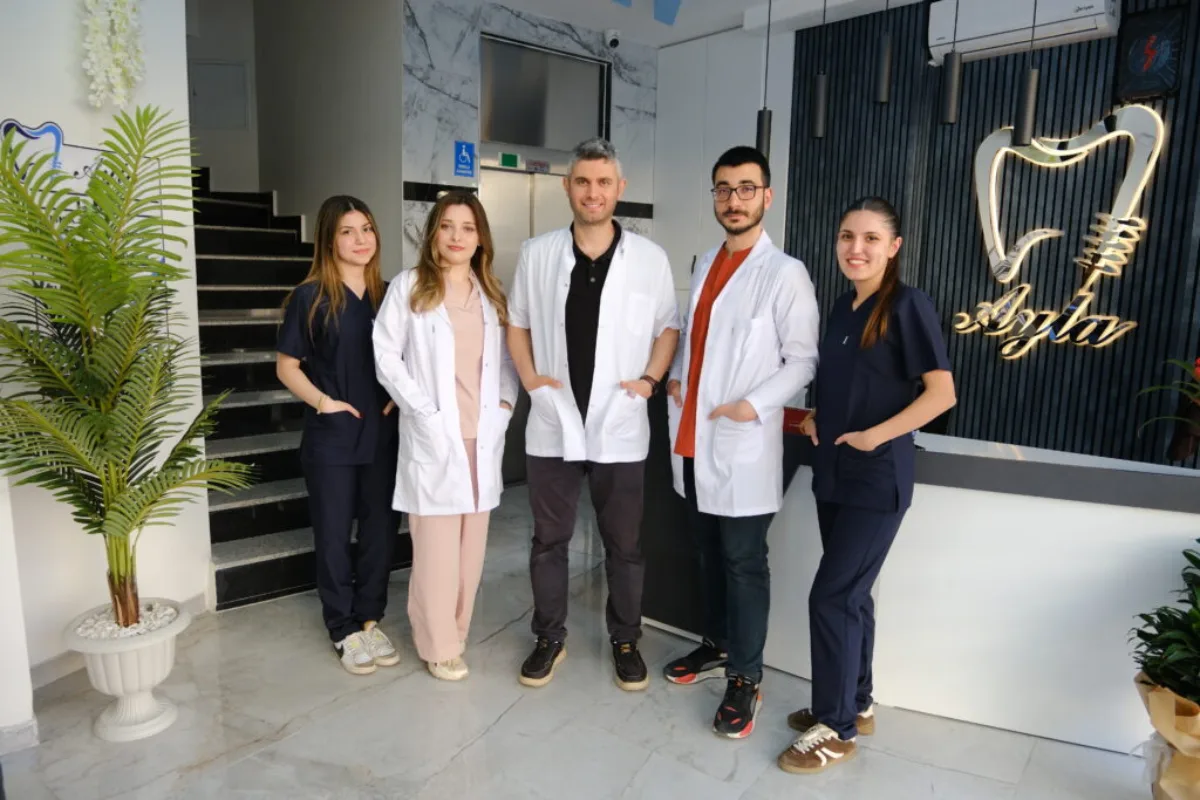
Oral health isn’t only about having a good-looking smile. You may need to see a dentist for different reasons: toothache, sensitivity, bleeding gums or cosmetic concerns. But choosing the right dentist and a suitable clinic can help treatment go more safely and more comfortably.
Focusing only on where a clinic is or what it charges may not be enough. The dentist’s field of expertise, the treatment options, hygiene conditions in the clinic, the technology used and how the dentist communicates with patients are all important things to consider.
If a long course of treatment is planned in particular, it matters to work with a dentist you feel comfortable and safe with. Knowing how treatment will go, understanding the procedures and getting clear answers to your questions can help you choose a dentist more knowingly.
In this article we cover how to choose the right dentist, what to look at when choosing a dental clinic and which qualities to look for in a dentist you can trust.
What to Consider When Choosing a Dentist
The choice of dentist should fit the treatment you need. The approach needed for a simple check-up, filling or scaling may not be the same as the expertise needed for an implant, orthodontics or comprehensive cosmetic treatment.
So it can help to first pin down your problem or what you expect from treatment. For example, crowding, jaw structure or bite problems may call for an orthodontic assessment, while for gum problems it may be appropriate to see a dentist who specialises in periodontology.
When choosing a dentist, you can look at these points:
- Experience and expertise in the treatment area you need
- A detailed examination and assessment
- Treatment options explained clearly
- Information about possible alternatives
- The clinic’s hygiene standards
- The technology and equipment used
- Communication and follow-up during treatment
Every patient’s mouth, needs and expectations are different. So a treatment that suits someone else may not be the right choice for you. Choosing the right dentist should start with a thorough assessment based on your personal needs.
Why the Dentist’s Specialty Matters
Dentistry is a broad field of healthcare covering different areas of treatment. Alongside routine dental care there are specialties such as orthodontics, periodontology, paediatric dentistry, endodontics and oral and maxillofacial surgery.
For example:
- Orthodontics for crowding and bite problems
- Periodontology for gum disease
- Paediatric dentistry for children’s oral health
- Endodontics for cases needing root canal treatment
- Oral and maxillofacial surgery for surgical procedures
Assessment may be needed in different areas like these.
For people with cosmetic concerns, smile design, laminate veneers or other cosmetic dental treatments can be considered. For more extensive treatment such as implants, the person’s jawbone, overall oral health and treatment needs have to be examined in detail.
Identifying your need correctly and, where necessary, being referred to the right specialty can help treatment be planned more soundly.
What to Look for at the Examination

The first examination is one of the key stages of choosing the right dentist. The first meeting can be a chance not only to identify the current problem but to judge the dentist’s approach and way of communicating.
It’s important that your complaints are listened to and the condition of your mouth is assessed in detail. Where needed, imaging can be used to look more closely at the teeth, gums and jaw structure.
In a well-planned examination it helps if the patient is informed about:
- The likely cause of the problem
- The treatment options available
- The stages of treatment
- The estimated treatment timeline
- What to watch for during treatment
- Aftercare and check-ups
Don’t hesitate to ask about anything you don’t understand during the examination. Having enough information about treatment can help you approach the process more knowingly and comfortably.
What to Look at When Choosing a Dental Clinic
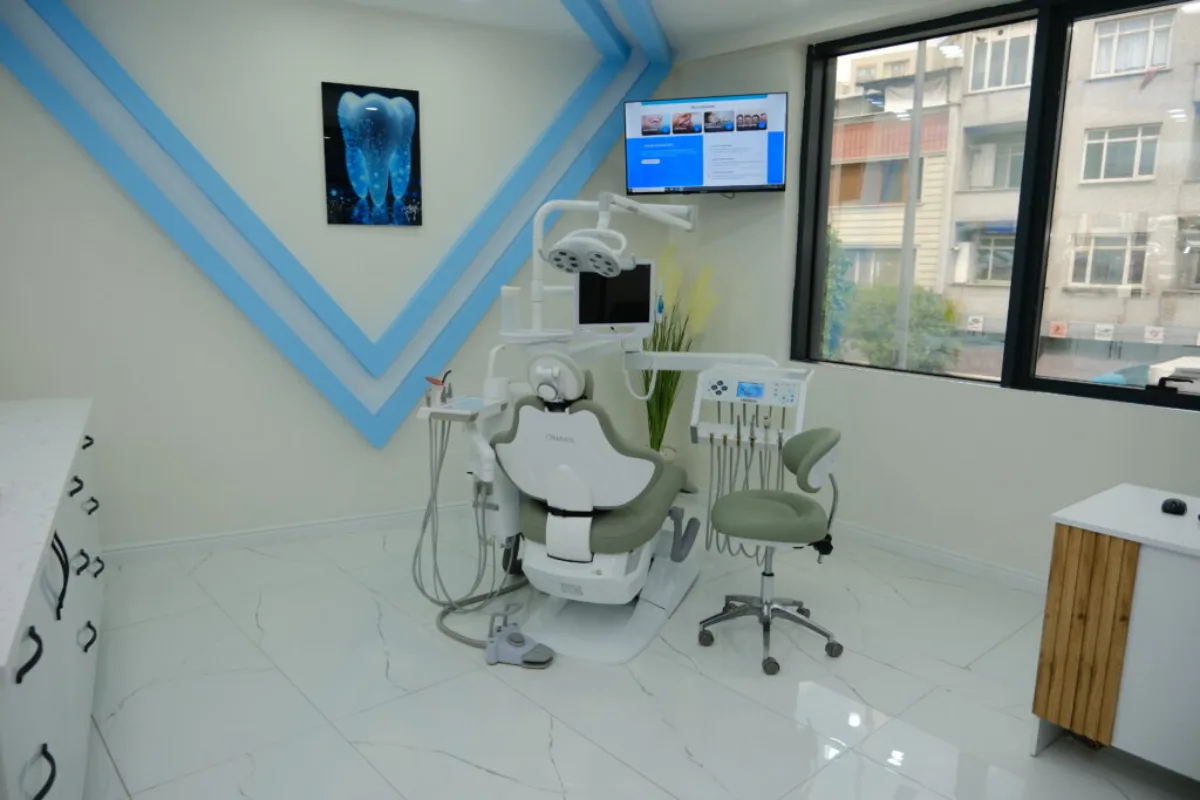
As well as choosing the right dentist, the clinic setting where treatment takes place matters. Clinic hygiene, sterilisation processes, the equipment used and patient safety are among the key things to assess.
When choosing a clinic, you can look at the following:
Hygiene and Sterilisation
Hygiene and sterilisation matter a great deal in dental treatment. The cleanliness of the clinic, proper sterilisation of the equipment and infection-control procedures should be considered from the point of view of patient safety.
Technological Equipment
Digital imaging systems and modern dental technology can, in some cases, support diagnosis and treatment planning. But technology alone isn’t enough as a selection criterion; using it correctly and building the plan around the patient’s needs matters too.
Communication With Patients
From booking an appointment to follow-up after treatment, how the clinic communicates with patients is an important part of the experience. Getting clear, understandable answers to your questions can help you feel more at ease during treatment.
Treatment Plan and Transparency
It’s important to be told about the procedures before treatment. If there’s more than one option, why they’re being considered and how each would go should be explained to the patient clearly.
Why Trust in Your Dentist Matters
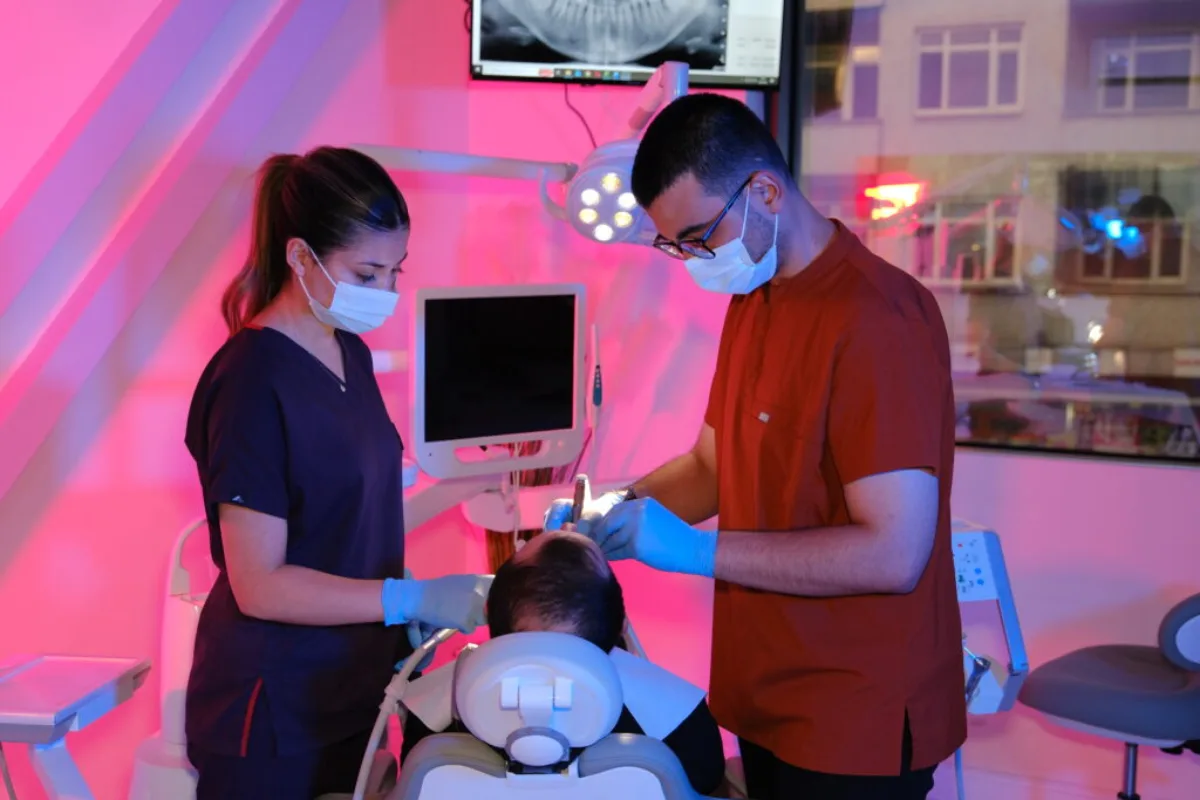
Dental treatment can be an anxious experience for some people. People who’ve had a bad experience in the past may put off going to the dentist or feel wary of treatment.
So it’s important that dentist and patient build communication based on trust. Explaining why procedures are needed, weighing up alternatives and answering the patient’s questions openly can support a sense of trust.
If you don’t feel comfortable or think you haven’t been given enough information, it’s important to ask questions and request more information about the treatment.
The right dentist should be judged not only on technical knowledge and experience but on understanding the patient’s needs and explaining the treatment properly.
How to Prepare for a Dental Appointment
Before the appointment it can help to think about your complaints and, if possible, jot them down. Details such as when the pain started, what makes it worse or what treatment you’ve had before can help the dentist at the examination.
You may need to share your past dental treatments, any earlier imaging and important information about your current health when you go.
You may want to ask these questions at the examination:
- What might be causing my problem?
- What treatment options are there?
- How many stages does treatment have?
- What should I watch for after treatment?
- Will I need follow-up appointments?
- Are there alternative treatments?
Questions like these can help you understand the treatment better.
Aftercare and Regular Check-ups
Finishing dental treatment doesn’t mean oral care is over. Regular oral care and check-ups suited to your needs are important for keeping the teeth and gums healthy.
Brushing, cleaning between the teeth properly and following the oral care your dentist recommends regularly can help protect existing treatment and your natural teeth.
How often you need check-ups may not be the same for everyone. The dentist can set a suitable follow-up plan according to the person’s oral health, past problems and treatments done.
With regular check-ups, some oral and dental problems can be spotted early and, where needed, earlier intervention can be planned.
Choosing a Dentist in Bağcılar
As well as expertise and clinic quality, how easy a clinic is to reach can matter. For implants, orthodontics, root canals or extensive treatment that needs several appointments, easy access can help treatment be followed regularly.
People looking for a dentist in Bağcılar can weigh up the clinic’s location, examination process, hygiene standards and patient communication as well as the treatment area they need.
For people looking for a dental clinic around Bağcılar Meydan in particular, easy transport can be an advantage for regular check-ups. But rather than focusing on location alone, it’s also important that a detailed examination is done and a plan made to suit the person.
Ayla Dent Istanbul, a Dental Clinic in Bağcılar
For people with an oral health complaint, or who want a routine check-up, the first step is usually a thorough dental examination. During it the teeth, gums and the current state of the mouth are assessed and an approach suited to the person’s needs can be planned.
In a dental examination at Ayla Dent Istanbul, the person’s oral health is assessed and, where needed, suitable treatment options can be explained.
For people looking for a dental clinic in Bağcılar who want an easy-to-reach location around Bağcılar Meydan, having an examination before treatment and learning about options that suit their needs can help them make a better decision.
Frequently Asked Questions
1. How do I choose the right dentist?
When choosing a dentist, weigh together the treatment area you need, the dentist’s experience, the examination process, communication with patients and the clinic’s conditions.
2. Does the dentist’s specialty matter?
Yes. Some dental and oral health problems may need assessment in particular specialties. It can help to see a dentist who works in the area that fits your problem.
3. What happens at a first dental examination?
The teeth, gums and the current state of the mouth are assessed. If needed, extra imaging can be used for a more detailed look.
4. Why does hygiene matter when choosing a clinic?
Hygiene and proper sterilisation are important for patient safety in dental treatment. So hygiene standards should be considered when choosing a clinic.
5. What questions should I ask the dentist?
You can ask about the reason for the treatment, alternative options, the procedures to be done, the treatment process and what to watch for afterwards.
6. Why is communication with the dentist important?
Understanding the treatment and getting clear answers to your questions can help you feel more at ease and safe. Good communication lets you approach treatment more knowingly.
7. Are check-ups needed after dental treatment?
The need for and frequency of check-ups depends on the treatment done and the person’s oral health. Your dentist can suggest a suitable follow-up plan for you.
8. Price or quality of treatment: which matters more?
Treatment shouldn’t be chosen on price alone. The dentist’s assessment, the treatment plan, the methods used and the follow-up should be considered together.
9. What should I look at when choosing a dentist in Bağcılar?
In Bağcılar you can weigh together factors such as the treatment area you need, clinic hygiene, the examination process, communication and ease of access.
10. Can a clinic near Bağcılar Meydan be an advantage?
Easy access can be practical, especially for regular check-ups or treatment needing several sessions. But as well as location, it’s important that the assessment fits your treatment needs.