
Pregnancy is a special time when the body goes through many changes. One thing mothers-to-be need to watch is oral and dental health. Hormonal changes can bring tender, swollen or bleeding gums. Changing eating habits, nausea and vomiting can also affect oral health.
So it’s important not to neglect dental care during pregnancy and to keep up regular check-ups. Cavities, gum problems or other oral health issues that were there before pregnancy in particular can cause more trouble during it.
In this article we cover how to protect dental health in pregnancy, why gums bleed, whether dental treatment can be done while pregnant and when to see a dentist.
Why Oral and Dental Health Matter in Pregnancy
Hormonal changes in pregnancy can change how the tissues in the mouth react to bacteria. So some mothers-to-be get tender, red, swollen or bleeding gums.
Neglecting oral and dental health can let existing problems progress. For example, a cavity that went unnoticed before can lead to pain or infection during pregnancy. Gum disease can also become more pronounced without regular care.
So rather than treating problems that come up during pregnancy as merely temporary, it’s important to have them assessed by a dentist when needed.
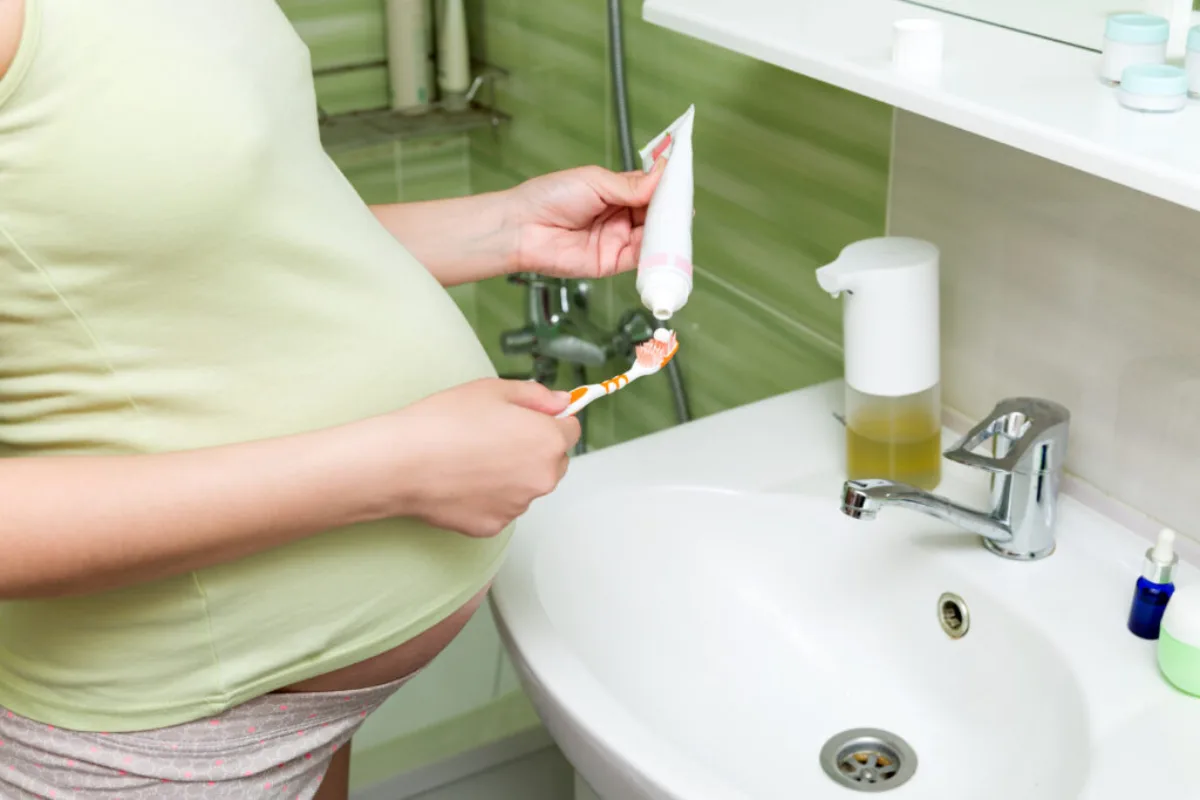
Why Do the Gums Change in Pregnancy?
Throughout pregnancy the levels of hormones such as oestrogen and progesterone change. These changes can make the gums react more sensitively to plaque and bacteria.
Some mothers-to-be may notice these signs:
- Bleeding gums
- Red gums
- Swelling and tenderness
- Bleeding when brushing
- A feeling of discomfort in the mouth
Bleeding gums can happen in pregnancy, but shouldn’t simply be ignored. Plaque build-up or gum disease can be behind the bleeding.
A regular, gentle oral care routine can help protect gum health during this time.
Do Nausea and Vomiting Affect the Teeth?
Nausea and vomiting can occur in pregnancy, especially in the early months. Stomach acid reaching the mouth when vomiting can affect the enamel.
After vomiting, instead of brushing straight away and hard, it may be better to rinse the mouth with water first. This can help reduce the acidic environment in the mouth.
If vomiting is frequent, a dental check can help assess whether problems like sensitivity or wear have developed.
Why Diet Matters for Dental Health in Pregnancy

Eating habits in pregnancy can affect both general health and oral and dental health. Sugary food and drink taken often in particular can feed the growth of bacteria in the mouth and raise the risk of decay.
So it’s important to build as balanced a diet as you can.
To support oral and dental health, it can help to:
- Limit sugary snacks
- Drink enough water through the day
- Eat a balanced diet
- Avoid frequent acidic drinks
- Look after oral hygiene after meals
These can all help.
Drinking water can help reduce dry mouth and clear food residue from the mouth.

Can You Have Dental Treatment While Pregnant?
Many mothers-to-be put off seeing the dentist because they worry treatment could harm the baby. But where needed, it’s important for dental problems to be assessed and suitable treatment planned.
Putting off problems like toothache, infection or a progressing cavity for a long time can cause the mother-to-be more trouble.
Before any dental treatment is planned during pregnancy, you must tell your dentist that you’re pregnant and which stage of pregnancy you’re in. Where needed, an approach coordinated with your obstetrician can be followed.
Can You Have a Dental X-ray?
The dentist decides whether an X-ray is needed according to the problem at hand. Unnecessary procedures are avoided, while where diagnosis or treatment needs it, suitable protective measures are considered.
So when you have toothache or a serious problem, consulting a dentist is a better approach than putting off the examination altogether just because you’re pregnant.
Can You Have Scaling While Pregnant?
Tartar is hardened plaque that forms on the tooth surface and can’t be fully removed by normal brushing. Tartar build-up can increase problems like inflammation and bleeding, especially in gums that have become sensitive.
So it’s important for mothers-to-be with tartar or gum problems to have their oral health assessed by a dentist.
Any procedures needed should be planned taking the person’s general health and the course of the pregnancy into account.
Daily Tips for Protecting Oral and Dental Health
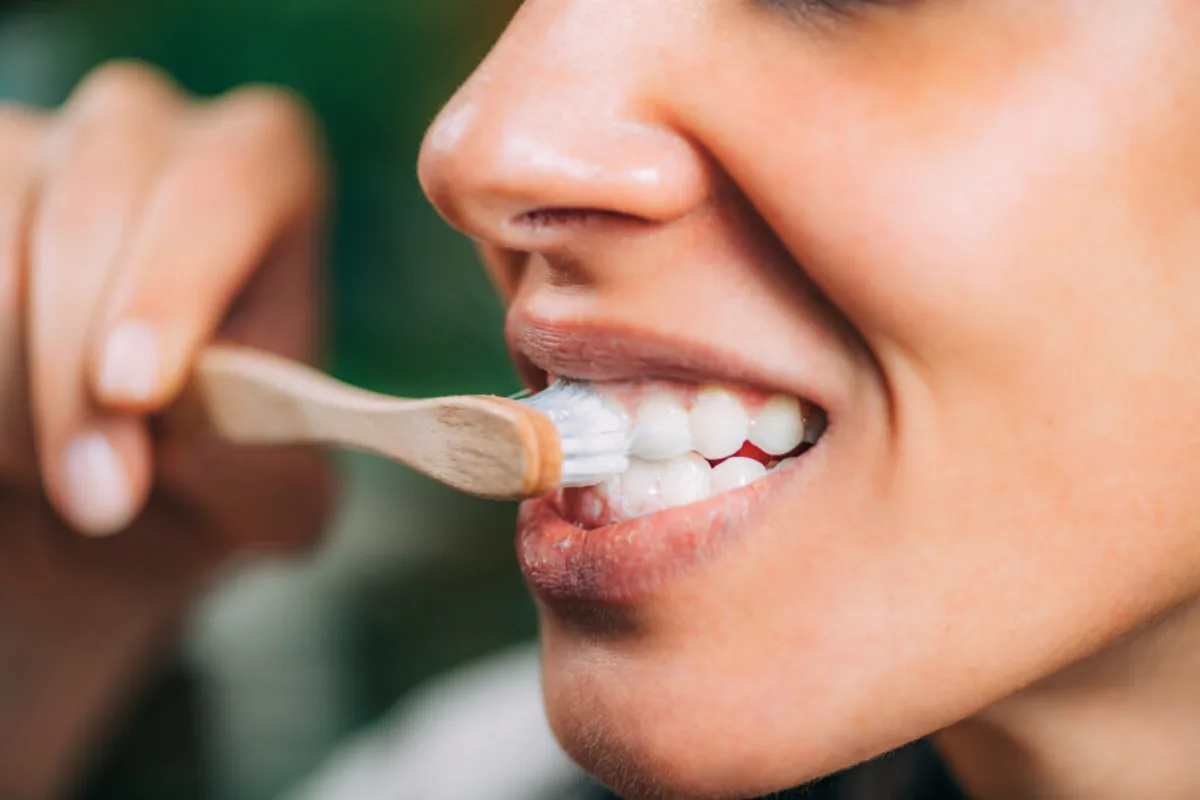
Regular oral care through pregnancy can help prevent many problems.
You can add these steps to your daily routine:
- Brush your teeth gently at least twice a day.
- Clean between the teeth with floss or a suitable interdental method.
- Try not to have sugary food and drink often.
- Drink enough water through the day.
- Rinse your mouth with water after vomiting.
- Don’t ignore constant bleeding when brushing.
- Get a professional assessment if toothache or swelling develops.
- Tell your dentist you’re pregnant.
- Don’t skip regular oral and dental check-ups.
When Should You See a Dentist?
Not every mouth problem in pregnancy is serious. But some signs may need a professional assessment.
It can help to see a dentist especially in these situations:
- Severe or constant toothache
- Gum bleeding that goes on for a long time
- Swollen gums
- Suspected infection or abscess in the mouth
- A visible cavity or broken tooth
- Extreme tooth sensitivity
- Pain when chewing
- Swelling in the face or gum area
Early assessment can help catch a problem before it progresses and plan for it properly.
A Dental Check During Pregnancy in Bağcılar
Changes in oral and dental health during pregnancy differ from person to person. Some mothers-to-be only get mild gum tenderness, while in others existing cavities or gum problems become more pronounced.
So for mothers-to-be looking for a dentist in Bağcılar, a regular oral and dental examination can help assess existing problems.
For people living around Bağcılar Meydan, in an examination at an easy-to-reach dental clinic the teeth, gums and the current state of the mouth can be assessed and the procedures needed identified.
In a dental examination at Ayla Dent Istanbul, complaints about oral and dental health during pregnancy are assessed and an approach suited to the person can be planned. If there’s toothache, bleeding gums, cavities or tartar, the necessary assessments can be made taking the current situation and the course of the pregnancy into account.
When a Dental Check May Be Needed in Bağcılar
If any of the following apply, it can help to be assessed by a dental clinic or dentist in Bağcılar:
- Toothache that won’t stop
- Bleeding and swollen gums
- A cavity or broken tooth
- Tartar build-up
- Suspected infection in the mouth
- Dental problems that began before pregnancy
- Mouth and tooth problems that continue despite regular care
In dental check-ups during pregnancy, the mother-to-be’s general health and the course of the pregnancy should be taken into account.

Frequently Asked Questions
1. Do you really lose a tooth for every baby?
No. The belief that you lose a tooth with every pregnancy isn’t true. Pregnancy alone doesn’t make teeth fall out. But hormonal changes, nausea and vomiting, lapses in oral care and existing gum problems can affect oral health.
2. Why do my gums bleed during pregnancy?
Hormonal changes in pregnancy can make the gums react more sensitively to plaque and bacteria. This can show up as redness, swelling and bleeding when brushing.
3. Is dental treatment safe in pregnancy?
Necessary dental treatment can be planned to suit the condition of the mother and baby during pregnancy. It’s important to tell your dentist you’re pregnant and, where needed, to get your obstetrician’s opinion.
4. Can scaling be done in pregnancy?
When needed, professional oral care and scaling can be planned on the dentist’s assessment.
5. Does vomiting harm the teeth?
Frequent vomiting brings stomach acid into contact with the tooth surfaces and over time can raise the risk of enamel wear.
6. Should I wait out a toothache in pregnancy?
No. Severe or ongoing toothache can be a sign of infection or another dental problem. It’s better to consult a dentist so the problem doesn’t progress.
7. Can a dental X-ray be taken in pregnancy?
In some cases a dental X-ray may be needed for diagnosis and treatment. With the digital imaging used today and suitable protective measures, it can be planned after weighing need and risk.
8. Why do teeth decay more easily in pregnancy?
Pregnancy doesn’t directly cause cavities. But frequent snacking, craving sugary food, finding it hard to brush because of nausea, and vomiting can raise the risk of decay.
9. Which oral care products should I use?
Regular brushing and cleaning between the teeth are key parts of basic oral care. Before using products with special ingredients, it can help to get your dentist’s advice.
10. How many times should I see the dentist during pregnancy?
There isn’t one number of check-ups that applies to everyone. How often depends on the person’s current oral and dental health. It helps to plan a dental check at the start of pregnancy and then carry on at the intervals recommended.