
If you have crowded teeth, gaps or a bite problem, braces and clear aligners are the two options you’ll hear about most. But which one suits you isn’t decided by looks alone.
A personal treatment plan is built by looking at the current position of the teeth, how crowded they are, the bite, your oral health and how well you’re likely to stick with treatment.
So, braces or aligners? What are the key differences, and when might one be preferred over the other?
The Key Differences
Both can move teeth into their planned positions. Where they differ is in how they’re fitted, what they’re like to live with and which cases they suit.
Braces

Brackets are bonded to the teeth and a wire applies controlled pressure to move them.
As well as traditional metal brackets, there are more discreet options for people who care more about appearance.
Braces may be preferred in some cases that need more complex tooth movement. But which method suits which case should be decided by an orthodontic examination.
Clear Aligners
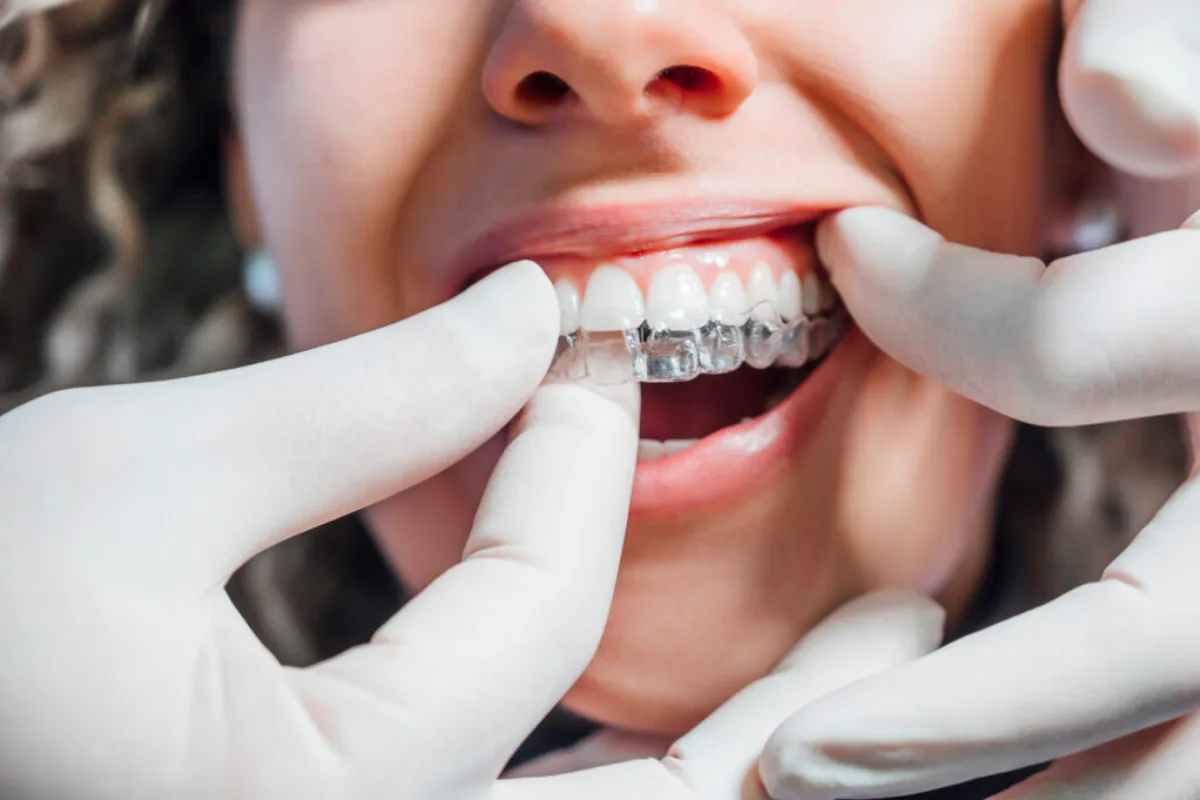
Clear aligner treatment uses custom-made trays that fit over the teeth and can be taken out.
One of their biggest advantages is that they’re far less noticeable than metal braces. Being able to take them out to eat and clean your teeth also makes daily life easier.
For aligners to work, though, you need to wear them consistently for as long as your dentist recommends.
How Is the Choice Made?
There’s no single answer that fits everyone.
The starting point is always the current condition of your teeth and jaws.
At the examination, we may consider:
- How crowded the teeth are
- Gaps between the teeth
- How the jaws and teeth meet
- The current position of the teeth
- Gum and oral health
- What you expect from treatment
That’s why online comparisons can only give general information. Whether braces or aligners suit you can only be decided after an orthodontic assessment.
Advantages of Clear Aligners
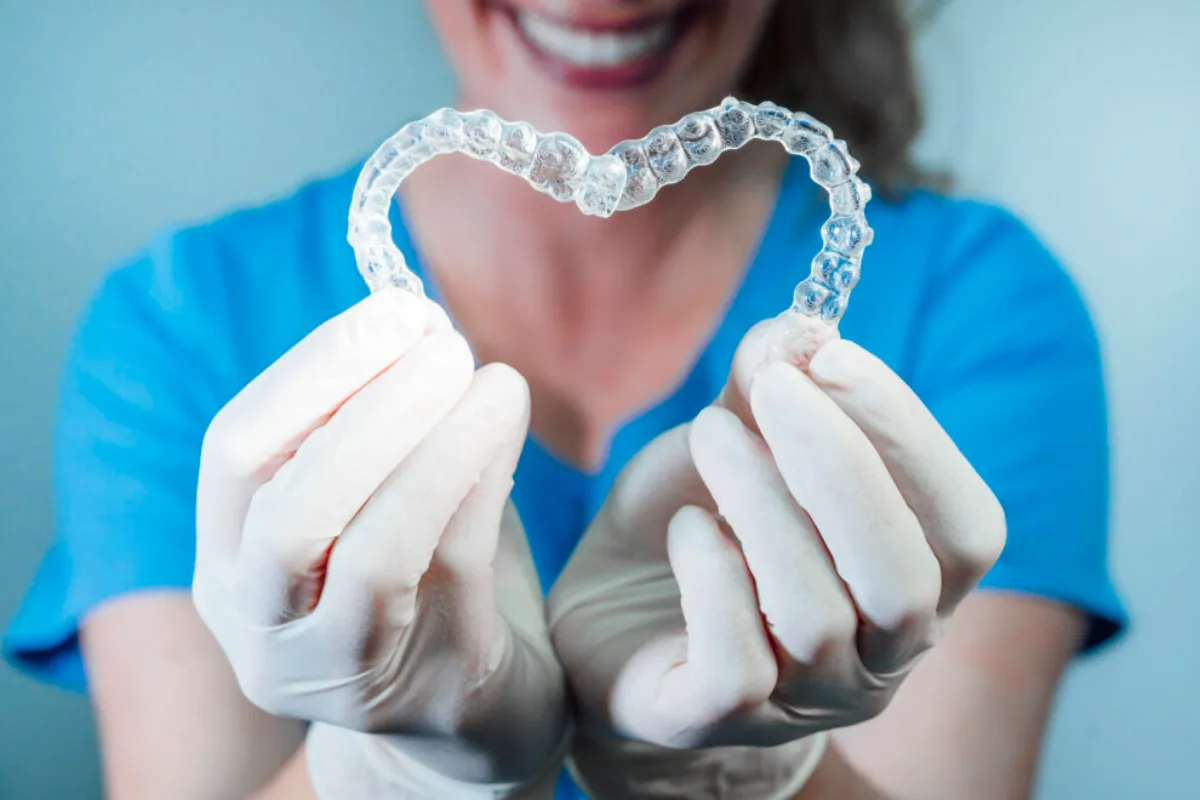
Appearance is one of the main reasons people choose aligners.
Their main features include:
- Less visible
- Removable
- Out while you eat
- Easier cleaning
But being removable also means it’s up to you to wear them. Not wearing them long enough can throw treatment off plan.
So with aligners, it’s not just the trays that matter; your commitment to the process matters too.
Advantages of Braces
Braces have been used for many years to treat a wide range of orthodontic problems.
Because they’re fixed, you don’t have to keep track of putting trays in and taking them out every day.
There are different types of brackets, so it’s not only classic metal; other options can be discussed at your assessment depending on how you’d like them to look.
Eating and Oral Care During Treatment
With braces, you may need to be careful with very hard or sticky foods that could damage the brackets.
With aligners it’s different, because you take them out to eat.
Either way, good oral hygiene is essential. Cleaning your teeth and gums regularly helps keep your mouth healthy during treatment.
If you wear aligners, make sure your teeth are clean before you put them back in.
How Long Does Treatment Take?
It varies from person to person.
Factors that can affect the length of treatment include:
- The current position of the teeth
- How crowded they are
- Any bite problem
- The method used
- How well you follow the plan
So questions like “How many months do aligners take?” or “When will my braces come off?” can’t be answered precisely without an examination.
Which Costs More?
The cost depends on the person and the treatment plan.
For aligners, the system used, the number of trays and the scope of treatment all play a part. For braces, it’s things like the type of bracket, the scope and the length of treatment.
So you can’t conclude from a starting price alone that “aligners are more expensive” or “braces are cheaper”.
An accurate price can only be given after an orthodontic examination and a personal treatment plan.
Will I Need a Retainer Afterwards?
Once orthodontic treatment is complete, a retention phase may be planned to hold the teeth in their new positions.
Fixed or removable retainers can be used for this.
Your orthodontist decides which type of retainer to use and for how long, based on your treatment.
This stage is important for keeping your result.
Braces and Clear Aligners in Bağcılar

If you’re looking into braces or clear aligners in Bağcılar, the first step is to have your teeth and bite assessed.
At the examination we look at your orthodontic situation and which options could work for you.
To learn about orthodontic options at Ayla Dent and find out which plan suits you, book a free examination.
Frequently Asked Questions
Which is better, aligners or braces?
Each has its own advantages and uses. Which suits you depends on your teeth and jaws.
Are clear aligners completely invisible?
They’re designed to be hard to notice, but it wouldn’t be accurate to call them completely invisible.
Do I take aligners out to eat?
Usually yes: you take them out to eat, clean your teeth, then put them back in. Your dentist will explain the details for your plan.
How long does treatment with braces take?
It depends on the case. Crowding, any bite problem and how well you follow the plan all affect the timeline.
How long do I need to wear aligners each day?
Daily wear time depends on the system and your dentist’s advice. Following the instructions keeps treatment on track.
Can my teeth move back after treatment?
Retainers are used after treatment to hold the teeth in place. How you use them and how you’re followed up is planned individually.
Do braces or aligners hurt?
In the first few days and after check-ups, you may feel pressure and some temporary tenderness. It usually eases within a few days. If pain is severe or lasts, see your dentist.
Can adults have orthodontic treatment?
Yes. If your teeth and gums are healthy, age alone isn’t a barrier. For adults, the plan also takes gum health and existing fillings or crowns into account.
How often are check-ups during treatment?
Your dentist sets the schedule based on the type of treatment and your plan. Regular visits are needed to make sure the teeth are moving as planned.