
Crowding, gaps or bite problems can affect not just how your smile looks but, in some cases, your oral care and your ability to chew. That’s why orthodontic treatment is one of the options many people consider, for both cosmetic and functional reasons.
Braces are an orthodontic treatment that applies controlled forces to the teeth so they move, over time, into planned positions. Today there are different orthodontic options that can be used not only in childhood or the teens but in adulthood too.
But no two cases of crowding or misalignment are the same. Before starting, your teeth, jaw structure, bite relationships and gum health need a detailed assessment. Which method suits you is decided after an examination and a treatment plan made for you personally.
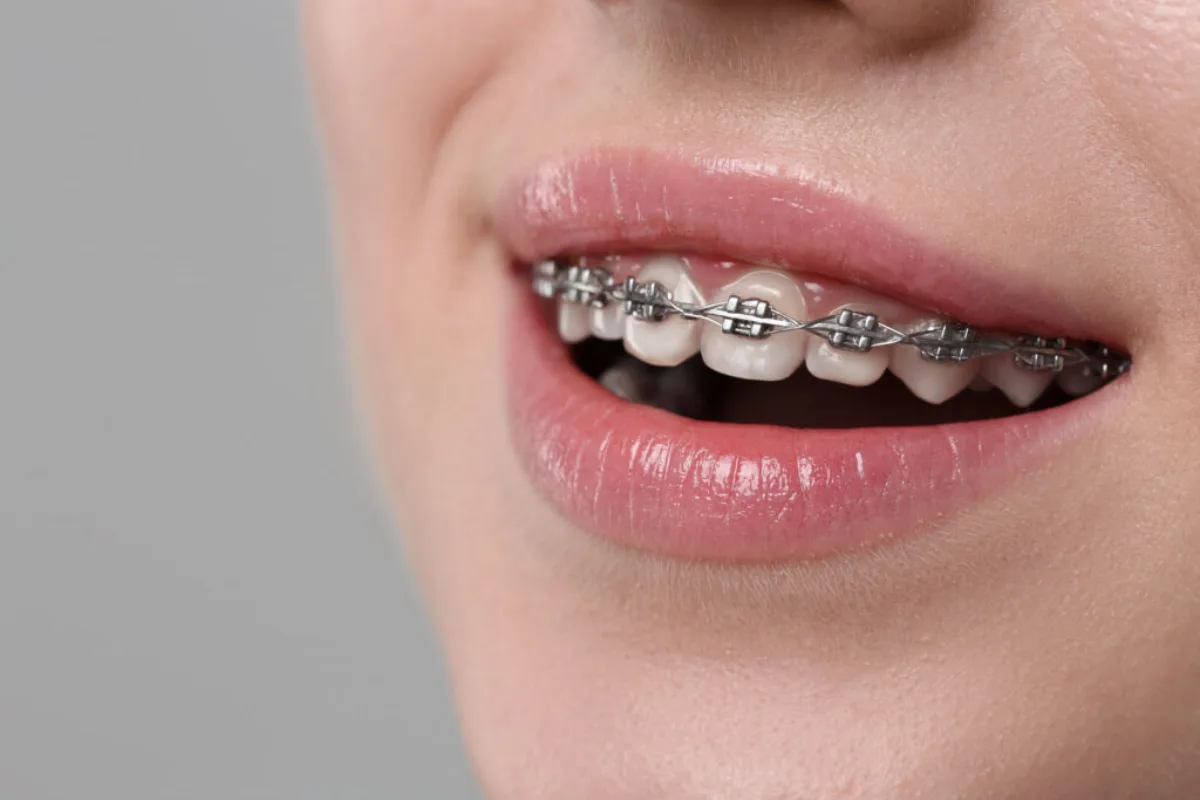
What Are Braces and How Do They Work?
In braces treatment, controlled forces are applied to the teeth through brackets and wires. The aim is for the teeth to move over time into the planned positions.
At the examination before treatment, the current alignment of the teeth, the jaw relationship and the bite are assessed. Where needed, X-rays or digital imaging can be used to build a more detailed plan.
How fast teeth move and how long treatment takes vary from person to person. The degree of crowding, the movements needed, jaw structure and how well you stick to the process can all affect how treatment goes.
So it may not be right to draw firm conclusions about your own treatment from other people’s timelines online. The most reliable assessment comes after an orthodontic examination.
Types of Braces
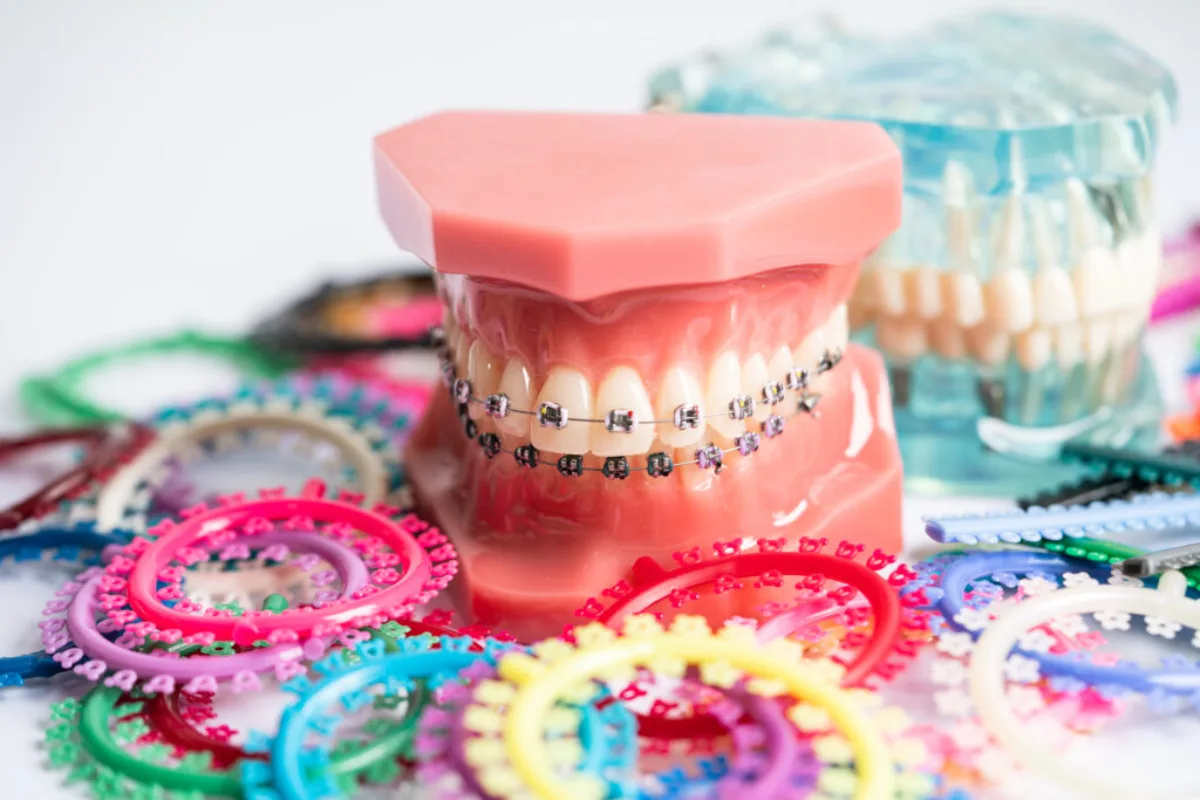
Today orthodontic treatment offers various options for different needs and cosmetic expectations. There’s no single right type of braces for everyone.
Metal Brackets
Metal brackets are one of the classic options, used in orthodontics for many years. Being durable, they can be used for many different orthodontic problems.
Because they’re more visible on the teeth, appearance can influence some people’s choice. But treatment planning has to take the orthodontic need into account, not only looks.
Porcelain or Aesthetic Brackets
Porcelain brackets look closer to the colour of the teeth, so they can draw less attention than metal ones. People who want brackets to be less visible during treatment may consider them.
But which type of bracket is suitable should be decided according to the problem being treated, the structure of the mouth and the orthodontist’s plan.
Lingual Brackets
Lingual brackets are placed on the inner surfaces of the teeth rather than the outer ones, so they’re less noticeable from the outside.
But using and cleaning this system can be different. Whether it suits a given orthodontic case also depends on the assessment.
Clear Aligners
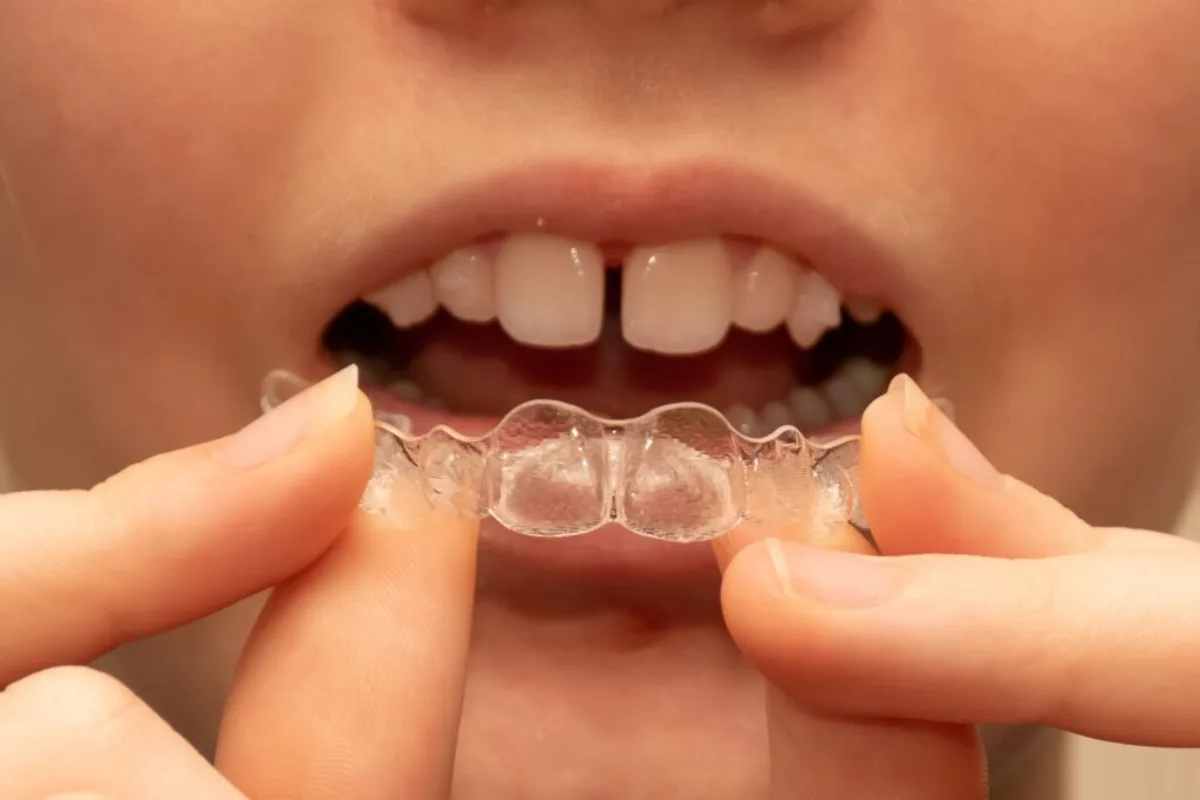
Clear aligner treatment is an orthodontic option that uses removable, custom-made trays instead of classic brackets and wires.
One of their main advantages is that they can be taken out for eating and oral care. But for treatment to go as planned, the aligners have to be worn regularly for as long as the dentist recommends.
Who Are Braces Suitable For?
Braces can be considered for crowding, gaps between teeth, some bite problems and other orthodontic irregularities.
It isn’t right to think treatment is only for children or young people. Adults with suitable oral health can also have orthodontic treatment planned.
But age alone isn’t enough to judge by. The current state of the teeth and gums, the jaw structure and the orthodontic problem to be treated need a detailed look.
How Long Does Treatment Take?

How long braces take is one of the things people ask about most. But it isn’t possible to give one treatment time that applies to everyone.
Factors that can affect treatment time include:
- The degree of crowding
- The state of gaps between the teeth
- The tooth movements needed
- The jaw and bite relationship
- The treatment method used
- Keeping regular check-ups
- How well the patient follows the process
Some cases can be completed more quickly, while more complex orthodontic problems take longer. A more reliable estimate comes after the examination and treatment planning.
Why Check-ups During Treatment Matter
Once treatment has started, regular check-ups let the dentist see whether the teeth are moving as planned.
At check-ups the wires or other orthodontic appliances can be adjusted as needed. The plan can also be changed according to needs that come up during treatment.
So getting the braces fitted is only part of it; going to the recommended check-ups throughout treatment is an important part too.
Eating With Braces

During treatment some foods can damage the brackets or wires. You may need to take particular care with very hard and sticky foods.
Instead of biting straight into hard foods like apples, it may be better to cut them into small pieces. Sticky foods like caramel or very hard sweets can damage the brackets.
It’s important to follow your dentist’s or orthodontist’s advice on which foods to avoid during treatment.
Oral Care With Braces
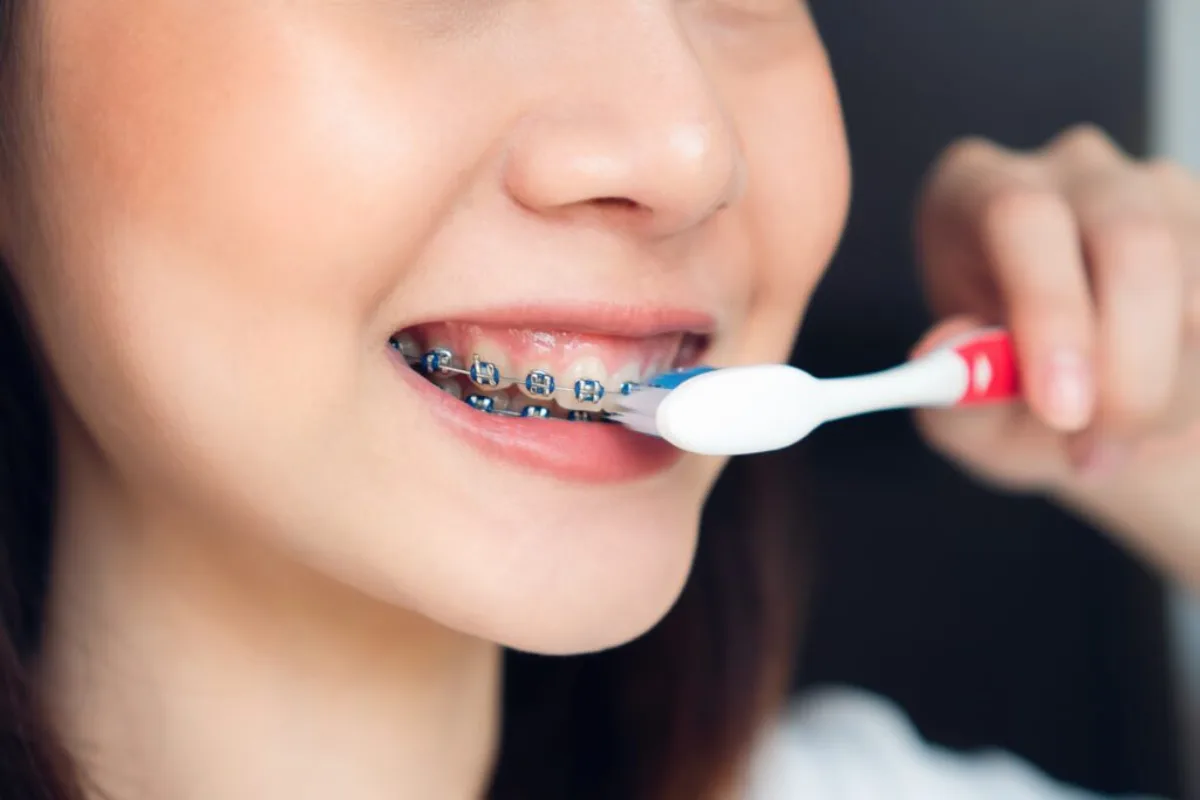
Oral hygiene matters even more with braces. Food debris and plaque can collect around the brackets and wires.
So the teeth need to be brushed regularly and carefully. As well as a standard toothbrush, orthodontic brushes or interdental brushes can be used according to need.
Cleaning between the teeth and around the wires matters too. The best approach is to ask your dentist which extra oral care products suit you.
Why Oral Care Matters So Much
Neglecting oral hygiene during treatment can let plaque build up around the brackets, which can harm the health of the teeth and gums.
That the teeth are moving doesn’t mean oral care can take a back seat. Regular brushing and cleaning between the teeth are an important part of orthodontic treatment.
Does It Hurt After Braces Are Fitted?

After braces are fitted, or after the wires are adjusted, some people feel pressure, sensitivity or discomfort.
This varies with the orthodontic work done and the person’s sensitivity. Especially early in treatment, getting used to the brackets in your mouth can take a little while.
Where brackets irritate the inside of the lip or cheek, solutions your dentist recommends can help. If you have a severe or ongoing problem, it’s better to contact your dentist without waiting for the next check-up.
Why Retention Matters After Braces
Finishing orthodontic treatment doesn’t mean the teeth will always hold their new positions on their own. Teeth can tend to drift back over time.
So a retention phase, in other words a stage to hold the result, can be planned after treatment. Different methods can be used, such as custom retainers or fixed wires placed behind the teeth.
Neglecting the retention phase can let the alignment achieved change over time. So it’s worth knowing that orthodontic treatment doesn’t end completely when the wires come off.
Following the retention plan your dentist recommends and keeping up check-ups helps preserve the result in the long term.
Why an Examination Matters Before Braces in Bağcılar
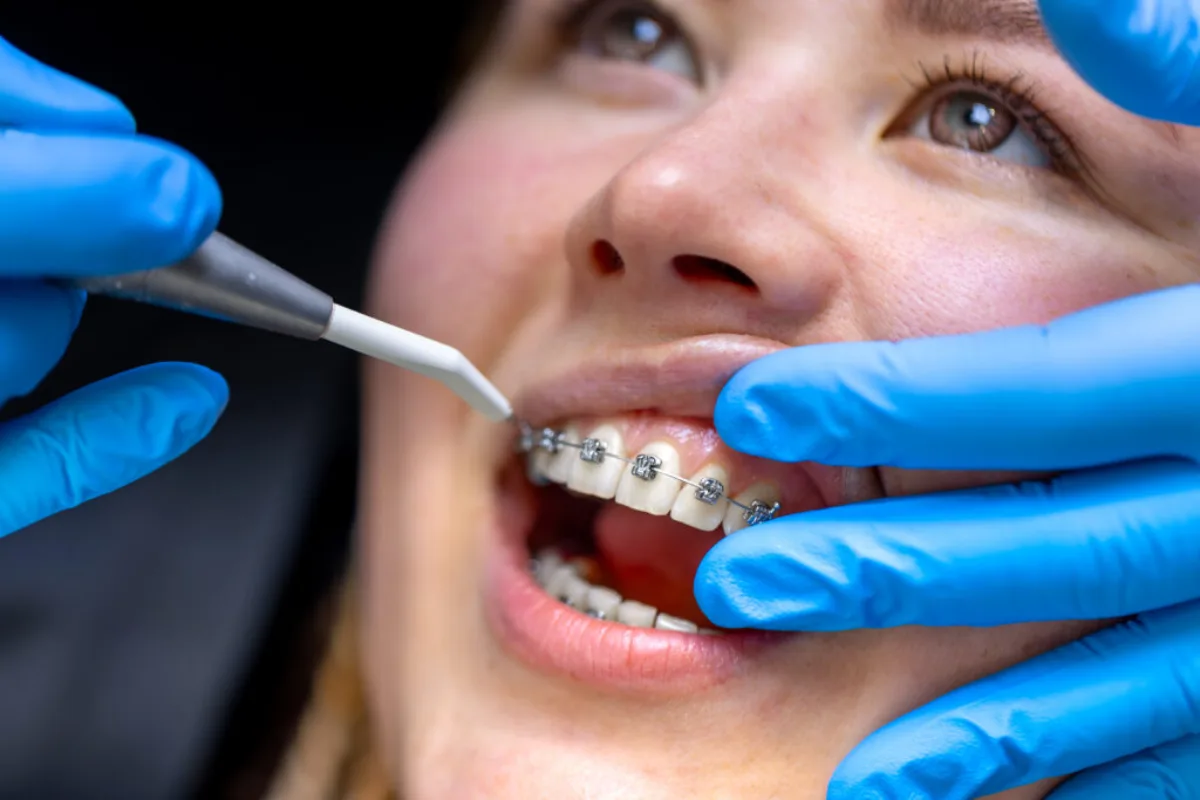
Choosing a treatment method just by how crowding looks from the outside isn’t enough. Many factors need assessing, including the root structure of the teeth, the jaw relationship, the bite and gum health.
So when looking into braces in Bağcılar, it matters that the first step is a detailed examination.
At the examination the type of orthodontic problem is assessed, and a personal treatment plan can be built around options like metal brackets, aesthetic brackets, lingual systems or, where suitable, clear aligners.
Treatment time, the method used and the follow-up also vary with the person’s needs.
Frequently Asked Questions
1. Are braces only for children?
No. Orthodontic treatment isn’t limited to childhood or the teens. Braces can also be planned for adults with suitable oral health.
2. How long does treatment take?
It depends on the degree of the problem, the movements needed, the jaw relationship and the treatment plan. A more reliable estimate comes after the examination.
3. Does it hurt when braces are fitted?
After the procedure or at certain points in treatment, some people feel pressure and sensitivity. How much discomfort there is varies from person to person.
4. Can I eat everything with braces?
Some hard or sticky foods can damage brackets and wires. So during treatment, pay attention to your dentist’s advice on eating.
5. Can I brush normally with braces?
Yes. But because plaque can collect around brackets and wires, more careful oral care may be needed. Where necessary, aids like interdental brushes can be used.
6. Do braces affect speech?
Early in treatment there’s a period of getting used to the new appliances in your mouth. Some people notice short-lived differences in speech, though how long it takes to adjust varies.
7. Are there alternatives to metal braces?
Yes. Options such as porcelain or aesthetic brackets, lingual brackets and, in suitable cases, clear aligners can be considered. Which method suits you is decided after an orthodontic examination.
8. Can teeth shift back after braces come off?
Teeth can tend to drift back, so a retention phase can follow treatment. It’s important to use the retainers or fixed retention your dentist recommends regularly.
9. Can cavities form during treatment?
If oral hygiene isn’t good enough, plaque can build up around the brackets. So regular, careful oral care is important throughout treatment.
10. What happens before starting braces in Bağcılar?
The first step is a detailed dental or orthodontic examination. After the teeth, jaw structure and bite have been assessed, suitable treatment options can be identified.