
Children’s oral health often only starts to matter once the first toothache arrives. Yet the foundation of a healthy mouth is laid with small but regular steps from the moment the first teeth come in. Neglecting baby teeth because they’re temporary can later affect both oral health and the development of the permanent teeth.
The brushing habit built in childhood concerns not only today’s teeth but future oral health as well. With regular care, a balanced diet and dental check-ups at the right time, many problems can be spotted before they even start.
So when should dental care start? Why are baby teeth so important? When should the first dental visit be? How can children come to like brushing?
Let’s go through the questions parents ask most about children’s dental health.
When Should Dental Care Start?
Oral care can actually begin before the first tooth comes through. Keeping a baby’s mouth clean can make the move to a brushing routine easier later. Once the first teeth appear, it’s important to set up a routine that suits the child’s age and needs.
Baby teeth may be temporary, but they play an important role in a child’s oral health. As well as helping with chewing, they take part in speech development and in keeping the space the permanent teeth will need. So cavities in baby teeth shouldn’t be dismissed as unimportant.
It can take time for children to pick up the habit of brushing. Parental support matters especially at a young age. Even when a child brushes alone, it may be necessary to check that the cleaning is thorough enough.

Making Brushing a Routine
Rather than presenting brushing as a chore, it can work better to make it a natural part of the daily routine. Regular care at set times in the morning and evening helps the habit settle in.
A toothbrush with a favourite character, brushing together or using a small timer can make it more fun for children.
What matters isn’t just how long they brush, but that it’s done regularly and properly.
Why Baby Teeth Matter So Much

“Baby teeth will fall out anyway, so there’s no need to treat them” is one of the most common misconceptions about children’s dental health. Baby teeth stay in the mouth for a good while, and in that time they do important jobs in the child’s daily life.
When cavities in baby teeth progress they can cause pain, sensitivity and infection. A child with severe toothache can struggle to eat, sleep or carry on with daily activities.
Losing baby teeth early can also, in some cases, affect how well the space for the permanent teeth is kept. So when you notice a cavity or another problem, it’s better to get a dentist’s assessment than to wait because “it will fall out anyway.”
Spotting cavities in children early can help bring the problem under control before it progresses.
How Do Cavities Form in Children?
Cavities develop over time as bacteria in the mouth interact with the environment created by food. Frequent sugary food and drink, especially when the teeth aren’t cleaned well enough, can raise the risk.
It isn’t only how much sugar is eaten but how often. Snacking all day means the teeth are exposed to an acidic environment again and again.
So regular oral care, a review of eating habits and, where needed, a dental check-up should all be considered together.
When Should the First Dental Visit Be?
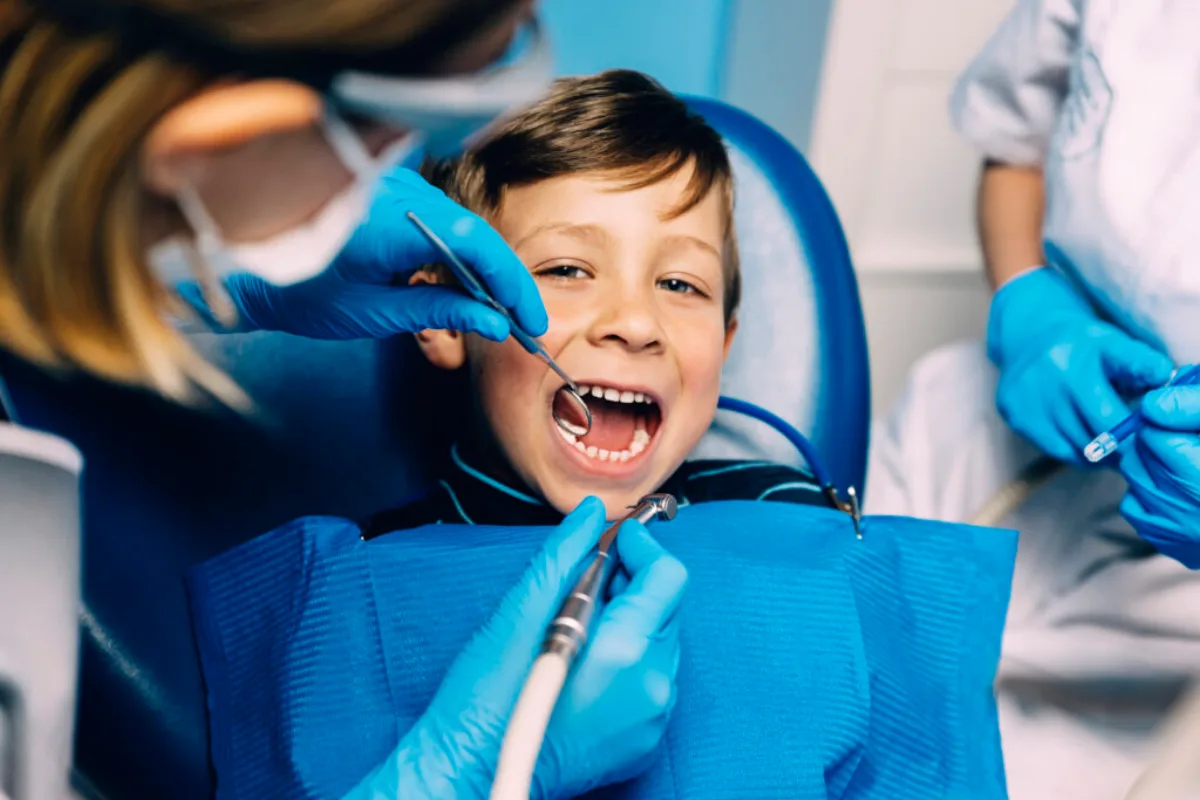
A dental visit isn’t something that should only happen once pain starts. Following a child’s oral and dental development can help spot possible problems early.
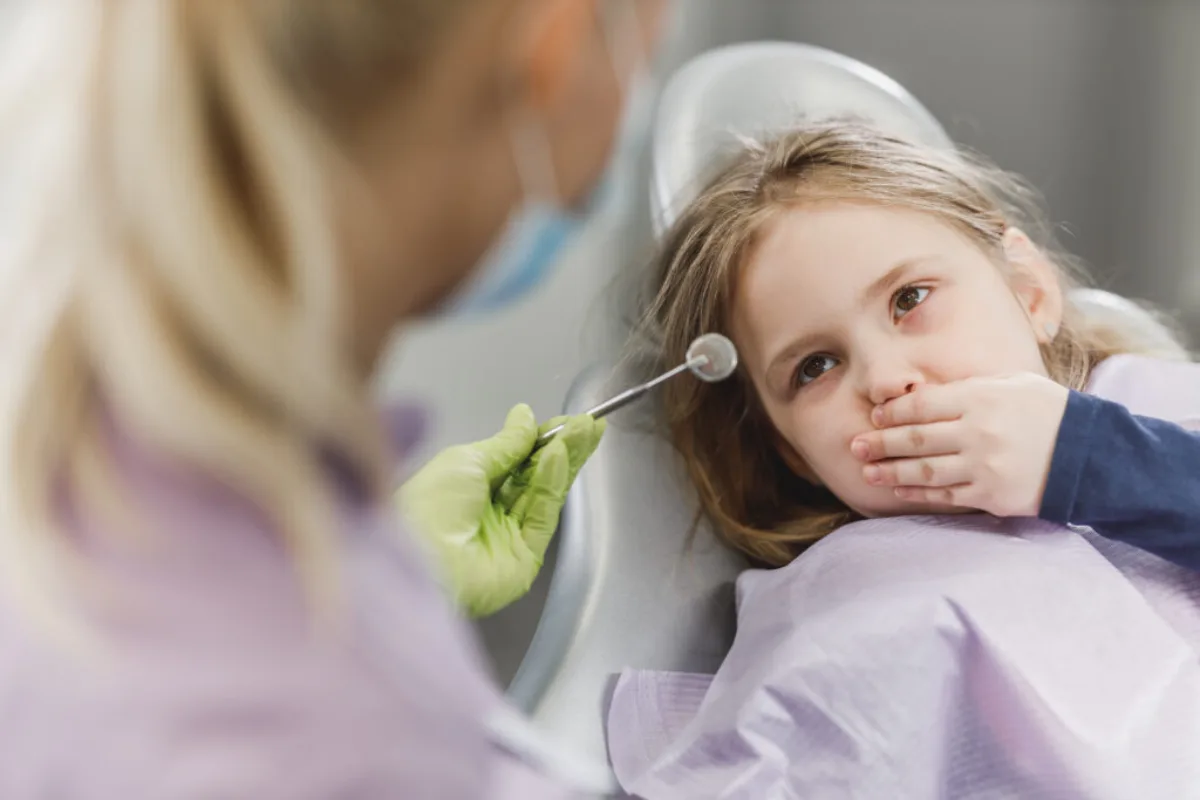
It’s also important that the first check-ups are a positive experience. If a child only ever goes to the dentist in connection with pain and treatment, they may develop anxiety later.
So check-ups made without waiting for a serious problem can also help the child get used to the dental setting.
At the examination, tooth development, cavity risk, oral hygiene and any other needs are assessed. Every child’s mouth and needs differ, so how often check-ups are needed can vary too.
Easing a Child’s Fear of the Dentist
Before the first visit it’s important not to use frightening wording. Phrases like “It won’t hurt at all,” “There won’t be a needle” or “Don’t be scared” can lead a child to think about worries they didn’t have before.
Instead, it may be better to say calmly and naturally that you’re going to the dentist. For the first visit to go well, the child needs to feel safe.
It also helps when parents don’t pass their own dentist anxiety on to their children.

Healthy Eating for Healthy Teeth
A child’s dental health isn’t protected by brushing alone. Daily eating habits also have an important effect on oral health.
Frequent sugary food and drink can raise the risk of cavities, especially without regular oral care. Fizzy and sugary drinks, sticky sweets and snacks eaten all day long are among the things to watch.
Rather than an outright ban, building a balanced diet may be more sustainable. Drinking water after meals and keeping up regular brushing are also important parts of the routine.
Sleeping With a Night Bottle
In young children especially, sleeping through the night with sugary liquids or milk can leave the teeth in contact with sugars in the mouth for a long time.
This can raise the risk of early cavities in some children. It’s important to set up a routine for night feeding and oral care that suits the child’s age and needs.
Where needed, a children’s dentist can give the family care advice that suits the child’s oral health.
Dental Injuries and Emergencies
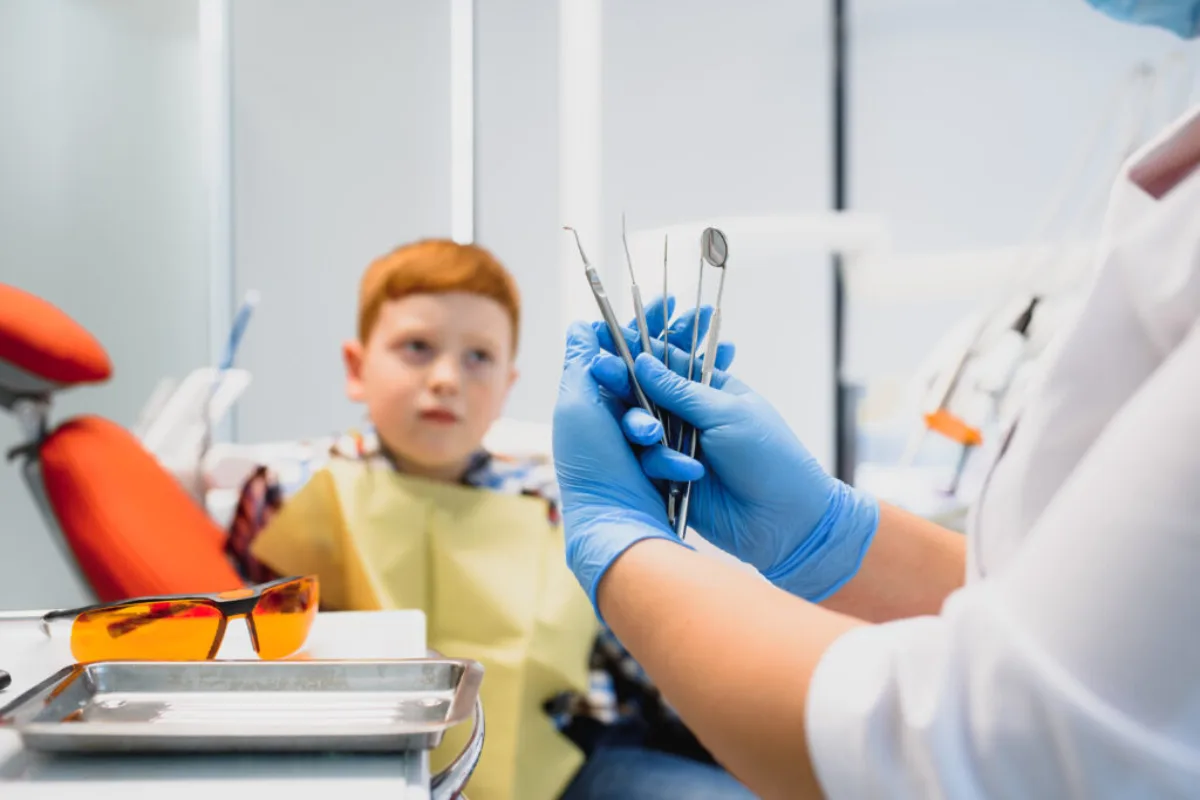
Because children are active, tooth injuries can happen in falls, collisions or sport. A broken, displaced or completely knocked-out tooth may need to be assessed quickly.
In that case it’s important to stay calm and see a dentist as soon as possible. What needs doing depends on the type of injury.
If a permanent tooth is damaged in an injury, it’s especially important to get professional help without delay. Waiting for the tooth to right itself can, in some cases, let the problem progress.

Frequently Asked Questions
1. Should decayed baby teeth be treated?
Yes. Baby teeth may be temporary but they have important jobs in chewing, speech and oral development. As decay progresses it can cause pain or infection. So the need for treatment should be assessed by a dentist.
2. When can my child brush alone?
Children can learn to brush over time, but at a young age it can be hard for them to clean well enough. As their hand skills develop they become more independent, but a parent’s supervision and help where needed stay important.
3. When should the first dental check-up be?
It can help to have oral health assessed once the first teeth come in. How often check-ups are needed after that can be set by the dentist according to the child’s cavity risk and oral health.
4. Should I wait if my child’s tooth hurts?
No. Toothache can be a sign of a cavity, infection or another oral health problem. Rather than waiting for it to pass, it’s better to consult a dentist.
5. Which toothpaste should children use?
The toothpaste should be chosen to suit the child’s age and needs. For young children in particular, you can ask the dentist about the product and the amount to use.
6. Does sugar always cause cavities in children?
No single food or drink decides the outcome on its own. But frequent sugary products and poor oral care can raise the risk of cavities. Regular brushing and a balanced diet matter.
7. My child doesn’t like brushing. What can I do?
Turning brushing into a fun routine can help. Brushing together, using a timer or letting the child pick a toothbrush they like can make the habit easier to build.
8. What happens if a baby tooth falls out early?
The effect on oral development depends on which tooth is lost and when. So if a tooth is lost early, a dental check is important.
9. Is gum bleeding normal in children?
Bleeding gums can be a sign of poor oral care or another gum problem. If it keeps happening, consult a dentist.
10. How often should children see a dentist?
There’s no single interval that fits everyone. The dentist can set a suitable frequency according to the child’s oral health, cavity risk and development.
Good oral care habits learned in childhood form the foundation of a healthy smile in the long run. With regular brushing, a balanced diet and timely check-ups, many oral health problems can be noticed early.
Remember, children’s dental health matters not just for today but for their oral health in the future.