
Looking after your mouth isn’t only about a nice smile. It matters for your general health too. A good daily routine helps prevent cavities, gum disease and bad breath. So what does proper oral hygiene involve, and what should you pay attention to?
Making oral care a habit can head off many of the dental problems that show up later in life. That means treating brushing, flossing, a balanced diet and regular check-ups as one package.
Why Oral Hygiene Matters

Oral hygiene is everything you do each day to keep your teeth, gums, tongue and the other tissues in your mouth healthy.
What you eat and drink during the day leaves a film of bacteria, called plaque, on your teeth. If it isn’t cleaned away regularly, it can lead to cavities, gum inflammation and, over time, tartar.
With regular oral care you can:
- Lower the risk of cavities.
- Protect your gum health.
- Prevent bad breath.
- Keep tartar under control.
- Support the natural look and function of your teeth.
What Should a Daily Routine Look Like?
A healthy routine is more than brushing. Cleaning the hard-to-reach spaces between your teeth and looking after your gums are just as important.
1. Brush Regularly
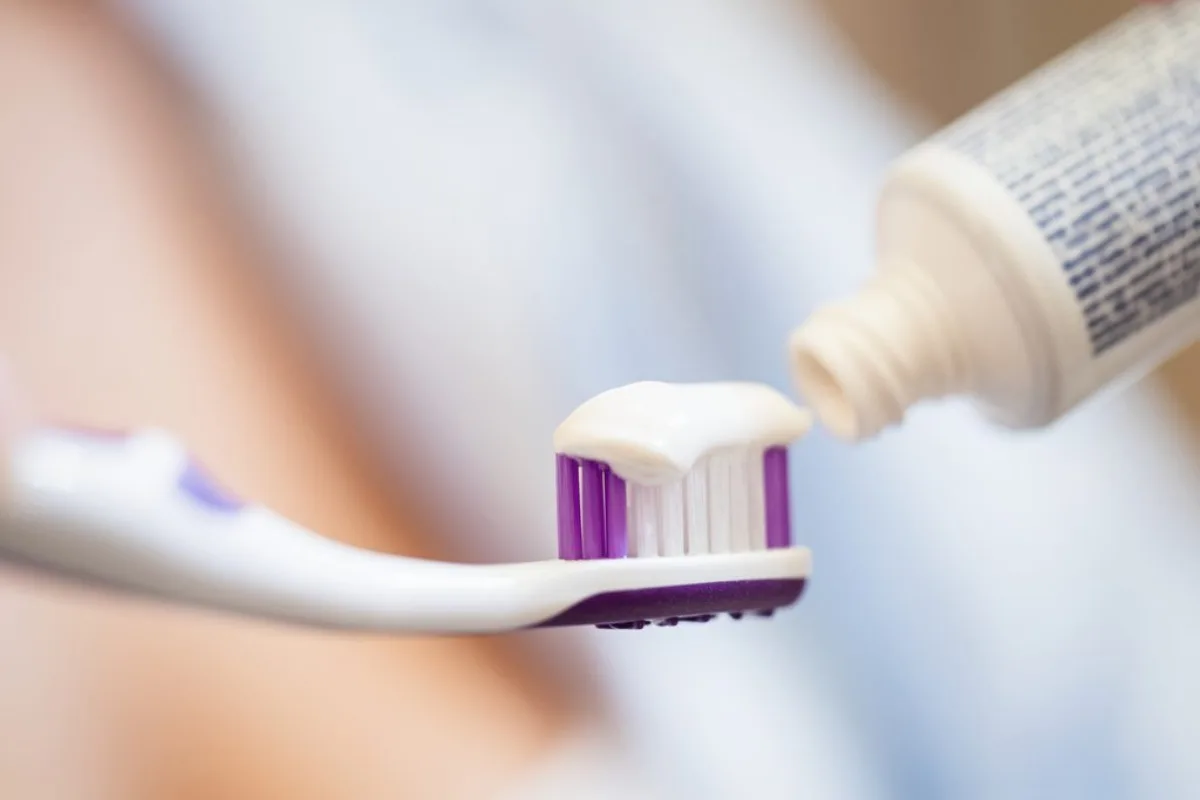
Brush twice a day for at least two minutes with a fluoride toothpaste. Proper brushing in the morning and evening helps remove the plaque that builds up on tooth surfaces.
Don’t only brush the front surfaces you can see. Pay attention to the backs of the teeth and the chewing surfaces too.
2. Don’t Skip the Floss

A toothbrush can’t always clean the narrow spaces between teeth properly. Plaque that stays there can eventually cause gum problems and cavities.
Using floss, or an interdental cleaner that suits you, once a day helps keep those gaps clean. Floss matters most where teeth are close together.
3. Clean Your Tongue

Bacteria and debris on the tongue can add to bad breath, so it’s worth adding gentle tongue cleaning to your brushing routine.
Don’t press hard on the tongue. Use a tongue cleaner or a suitable toothbrush.
4. Consider a Mouthwash
Mouthwashes support your daily routine. Depending on what’s in them, they can help with plaque control, gum health or bad breath.
But a mouthwash doesn’t replace brushing and flossing, and not everyone needs one. Products used for treatment should be chosen on your dentist’s advice.
5. Eat a Balanced Diet
What you eat directly affects your teeth. Frequent sugary food and drink gives mouth bacteria more to turn into acid, which can damage enamel and lead to cavities.
To protect your teeth:
- Limit sugary snacks.
- Avoid drinking acidic drinks often.
- Drink enough water through the day.
- Eat a balanced, varied diet.
- Try not to snack on sugary food between meals.
How to Keep Your Gums Healthy
Gums surround and support your teeth. Healthy gums are usually pink and don’t bleed when you brush.
Redness, swelling, tenderness or bleeding of the gums can be signs of gum disease. If they continue even though you brush regularly, have them checked by a dentist.
To protect your gums, prevent plaque build-up, clean between your teeth and don’t miss your regular check-ups.
How to Prevent Tartar
Tartar forms when plaque on the tooth surface hardens over time. It’s often seen along the gum line and at the back of the teeth.
Regular brushing and flossing reduce plaque build-up and help keep tartar under control.
Once tartar has formed, though, you can’t brush it away at home. Hardened tartar needs a professional scale and polish.
How to Prevent Bad Breath
Bad breath is a common problem that can affect daily life and relationships. Poor oral hygiene, bacteria on the tongue, gum disease and cavities can all be causes.
To reduce it, brush regularly, floss, clean your tongue and drink enough water.
If it carries on despite this, see a dentist to find the underlying cause.
Why Regular Dental Check-ups Matter

Home care plays a central role in keeping your teeth healthy. But some tooth and gum problems don’t show obvious signs in the early stages.
Regular check-ups let your dentist find cavities, gum disease and other oral problems early. How often you should go depends on the state of your mouth and your needs.
Don’t wait for pain. Keep your dental visits even when you have no complaints.
Look After Your Oral Health with Ayla Dent
Healthy teeth are kept healthy by regular care and good habits. Don’t neglect your daily hygiene, don’t put off dental complaints, and keep up your check-ups.
At our clinic in Bağcılar, Ayla Dent offers examinations and treatments to protect your oral health. If you have questions about your teeth, get in touch, and you can book an appointment using our free examination.
Frequently Asked Questions
How many times a day should I brush?
Brush at least twice a day for two minutes each time, with a fluoride toothpaste. The spaces between your teeth also need cleaning every day.
Should I floss every day?
Yes. Cleaning once a day with floss or a suitable interdental tool is recommended. It helps remove plaque from the areas a toothbrush can’t reach.
Can mouthwash replace brushing?
No. Mouthwash can support your daily care, but it doesn’t replace brushing or cleaning between the teeth.
Can tartar be removed at home?
No. Tartar is hardened plaque and needs professional cleaning. Trying to scrape it off at home with sharp or hard objects can damage your teeth and gums.
Is bleeding gum normal?
Gum bleeding, especially if it keeps happening when you brush or floss, can be a sign of gum inflammation. A dental examination is important to find the cause.
Is tongue cleaning necessary?
Bacteria and food debris collect on the tongue, and that build-up is one of the common causes of bad breath. Gently cleaning your tongue with a brush or tongue cleaner supports good oral hygiene.
Interdental brush or floss?
It depends on how wide the gaps are. Floss suits narrow gaps; an interdental brush can work better in wider gaps and around bridges or implants. You can ask your dentist which suits you at your check-up.
How often should I see a dentist?
A check-up every six months is usually recommended. If you have gum disease, frequent cavities or ongoing treatment, your dentist may want to see you more often.