
Broken teeth, large cavities, wear, discolouration or an uneven shape can affect both how a tooth looks and how well it chews. In cases like these, different types of crown can be used to protect what is left of the tooth and restore its function.
A dental crown is a restoration made to fit over a tooth that is damaged, has lost structure, or is being improved for appearance. The material and method depend on many things: the tooth’s condition, where it sits in the mouth, the chewing forces on it, what you expect aesthetically, and your gum health.
For people in Bağcılar who want to know about crowns, treatment planning at Ayla Dent starts with an assessment of your mouth and teeth. The same type of crown won’t suit every patient, so a detailed examination before treatment matters.

What Is a Dental Crown?
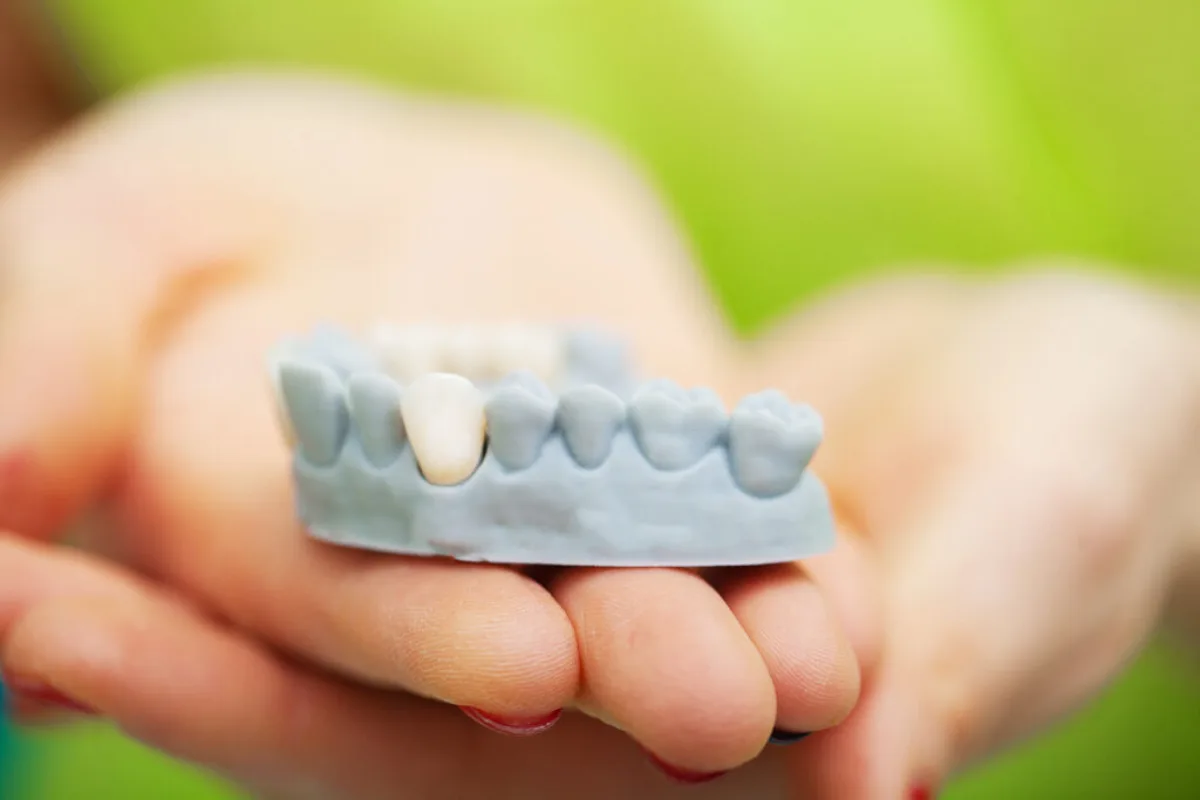
A crown is a restorative treatment that surrounds the visible part of a tooth, or covers certain surfaces of it. The aim is to rebuild the shape the tooth has lost, support chewing, and improve its appearance where needed.
Crowns aren’t only cosmetic. They can also protect teeth that have lost a lot of structure, have been weakened by large fillings, or are at risk of fracturing.
Which material is used, and how much of the tooth has to be prepared, depends on the treatment planned.
When Is a Crown Needed?
A crown can be planned for different reasons. It isn’t always necessary: for some teeth a filling, bonding or another restorative method is enough.
Situations in which a dentist might consider a crown include:
- A large fracture or loss of tooth structure
- Large, old fillings that no longer support the tooth well
- A tooth weakened after root canal treatment
- Advanced tooth wear
- Wanting to improve the shape or size of a tooth
- Some discolouration that whitening hasn’t been able to improve enough
- Gaps between teeth that bother you aesthetically
- Planned minor cosmetic changes to the shape or alignment of teeth
But the decision isn’t made on appearance alone. The tooth’s root, the surrounding tissue, gum health and the bite are all assessed too.
Types of Dental Crowns
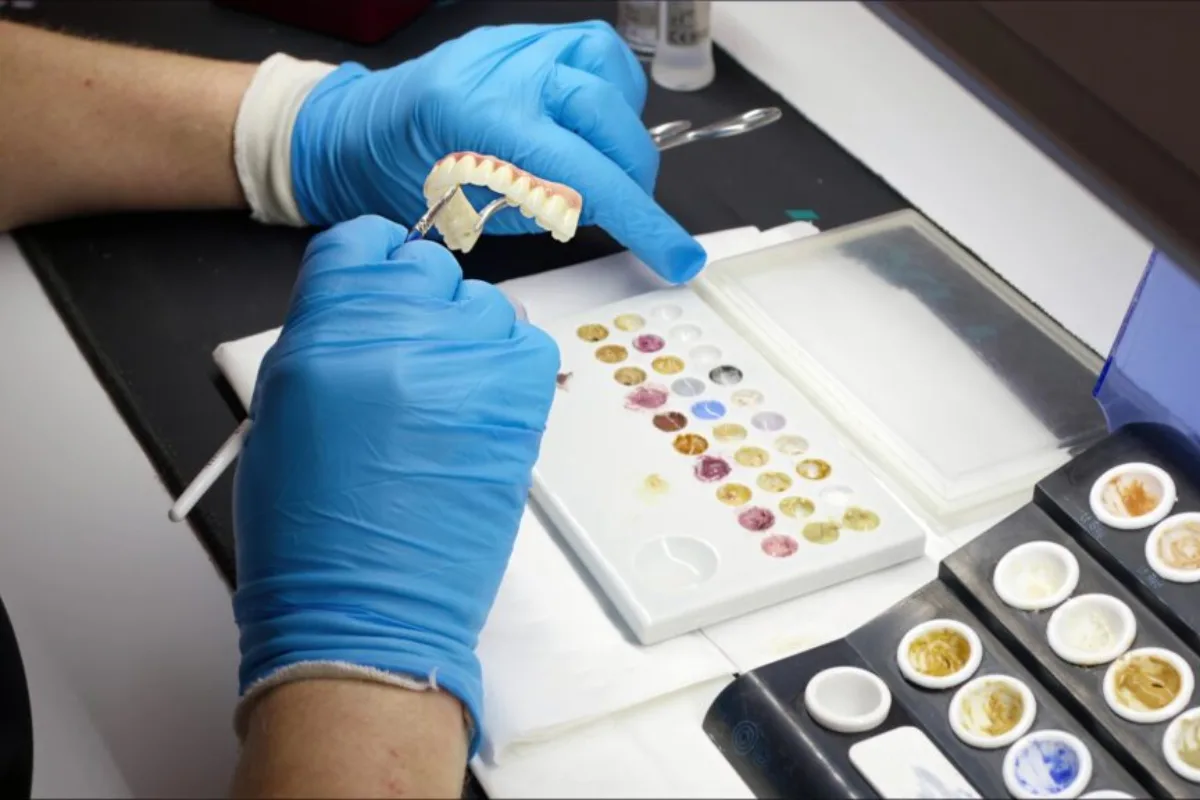
Several crown materials are used today for different needs. Each has its own characteristics in terms of appearance, durability and where it’s used.
Zirconia Crowns
Zirconia crowns are one of the options that can be used at both the front and the back of the mouth. Thanks to their appearance and durability, they feature in many treatment plans.
Zirconia-based or monolithic zirconia restorations can be planned in different ways depending on the area and what the patient needs. They can be among the options when a tooth-coloured restoration is wanted and appearance matters.
It can’t be said that zirconia is the right choice for every patient and every tooth. The decision should take into account where the tooth is, how much structure has been lost, and the patient’s bite forces.
Porcelain Crowns
Porcelain crowns have been used in dentistry for many years. They can be made with different substructures and manufacturing techniques.
Whether porcelain is chosen depends on the position of the tooth, aesthetic expectations and the function the restoration needs to serve.
When comparing options, don’t decide on the name of the material alone; your dentist’s clinical assessment should guide the choice.
E-Max Crowns
E-Max is a widely used system for lithium disilicate ceramic restorations. Because it lets light through and looks natural, it can be chosen where a natural-looking tooth matters most.
E-Max can be used for crowns, veneers and other ceramic restorations. But the strength required, the tooth’s position and the patient’s bite all play a big part in planning.
So whether E-Max is suitable is decided not just on aesthetic expectations but on the tooth’s functional needs as well.
Porcelain-Fused-to-Metal Crowns
Porcelain-fused-to-metal crowns have been in use for many years. They’re made by applying porcelain over a metal substructure.
Now that zirconia and all-ceramic systems are common, other materials may be chosen in some cases where aesthetic expectations are high. But porcelain-fused-to-metal crowns can still be among the options in certain clinical situations.
The type of crown shouldn’t be chosen because a material is fashionable or popular, but because it suits the patient.
What’s the Difference Between Zirconia, Porcelain and E-Max?
The three differ in appearance, material structure and where they’re used.
Zirconia crowns can be chosen in many cases where strength and appearance are both considered.
Porcelain crowns cover long-established restoration options that can be made on different substructure systems.
E-Max crowns are all-ceramic restorations based on lithium disilicate, and can be considered in suitable cases where appearance comes first.
But there’s no single answer to “which crown is best?” for everyone. A material that suits one person may not be right for another patient’s mouth or needs.
Which Type of Crown Should You Choose?
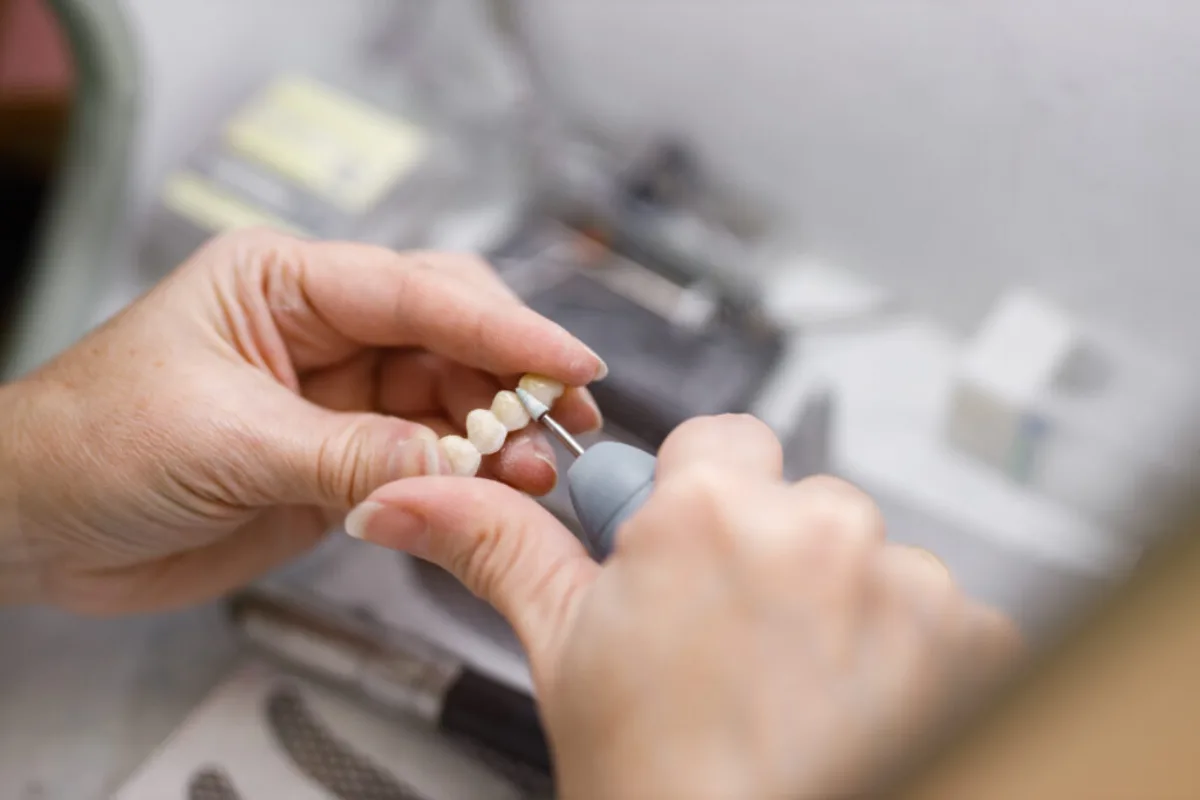
Many factors are weighed together when choosing a crown, including:
- Whether the tooth is at the front or the back
- How much structure the tooth has already lost
- Chewing and biting forces
- Clenching or grinding habits
- Gum health
- The condition of neighbouring teeth
- Aesthetic expectations
- The design of the restoration
These are among the factors considered.
So instead of choosing a crown type from information found online, it’s sounder to build a plan that suits you after an examination.
How Is a Crown Placed?
The stages vary with the type of crown and the condition of the tooth.
First, the teeth and surrounding tissue are assessed in detail. An X-ray may be taken if needed. Gum health, the root of the tooth and any existing restorations are checked.
The tooth is then prepared according to the plan. Some crowns need a certain amount of the tooth surface to be reduced, while some other restorative options allow more minimal preparation.
Once the tooth is prepared, an impression is taken. Alongside traditional impressions, digital scanners can be used today.
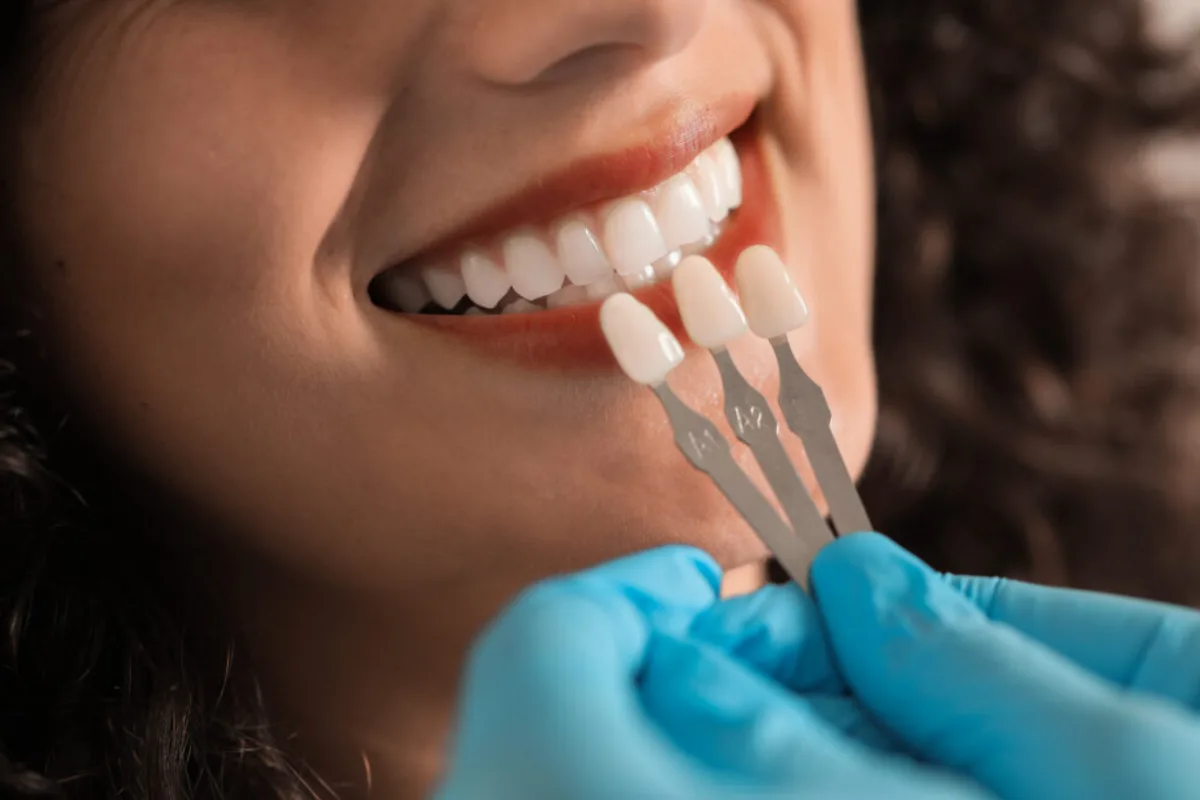
After laboratory or digital production, the crown is tried in the mouth. Once the fit with the gum, the bite and the appearance have been checked and are right, it is fixed permanently.
Does the Tooth Have to Be Cut Down?
That depends on the treatment and the type of crown.
With some crowns, a certain amount of the tooth surface is reduced so the restoration can sit properly. How much depends on the material, the tooth’s current shape and the planned restoration.
The same amount of tooth isn’t removed for every crown. So before treatment, ask your dentist exactly what will be done.
Is the Treatment Painful?
Local anaesthetic can be used during treatment when it’s needed, so the patient is as comfortable as possible during the procedure.
Some people feel short-term sensitivity afterwards. If the tooth was prepared, there can be sensitivity to hot or cold.
If pain lasts, gets worse or is severe, your dentist needs to reassess.
How Long Does a Crown Last?
How long a crown lasts depends on many things: the material, how well it fits, oral hygiene, chewing habits and regular check-ups.
In people who clench or grind their teeth, crowns can be under more force. In that case the dentist may suggest extra protection such as a night guard.
Regular care and check-ups matter if a crown is to last. But it wouldn’t be right to promise a fixed lifespan for any crown for everyone.
Aftercare

Keep up your oral care routine after treatment.
In particular:
- Brush your teeth at least twice a day.
- Clean between the teeth with floss or the interdental tools your dentist recommends.
- Don’t crack very hard objects with your teeth.
- Avoid biting ice, pens or similar hard things.
- If you clench or grind your teeth, tell your dentist.
- Don’t skip your regular check-ups.
The crown itself can’t decay, but cavities or gum problems can develop at its edges and wherever natural tooth is exposed. That’s why regular oral care still matters.
Crowns in Bağcılar
When a crown is planned, it isn’t only about appearance. The tooth’s function and long-term oral health have to be considered too.
For anyone in Bağcılar who wants to know about crown options, Ayla Dent starts with an examination of the mouth and teeth. A plan is then made by looking at the current state of your teeth, the materials that could be used, and the options that suit you.
Which option suits you, whether zirconia, porcelain or E-Max, is decided by your mouth and your clinical needs.
Frequently Asked Questions
1. What is a dental crown?
A crown is a restoration made to fit over a tooth that is damaged or that is to be improved for appearance and function.
2. Can any tooth have a crown?
Not every tooth is suitable. The decision is made by looking at the tooth’s root, how much structure has been lost, gum health and its position in the mouth.
3. Is zirconia or E-Max better?
Both materials have different properties and uses. Which suits better depends on the area being treated and the patient’s needs.
4. Is the tooth cut down for a crown?
With some crowns, a certain amount of the surface is reduced. The amount varies with the treatment.
5. Does a crown hurt?
Local anaesthetic can be used during treatment when needed. Short-term sensitivity is possible afterwards. If pain continues or gets worse, see your dentist.
6. Can the tooth under a crown decay?
The crown itself doesn’t decay. But decay can form in natural tooth tissue, especially at the crown’s edges, if oral hygiene is poor.
7. How long does a crown last?
It varies with the material, how well you look after your mouth, clenching habits and regular check-ups.
8. What should I do if a crown comes off?
If a crown comes off, keep it if you can and see your dentist without trying to stick it back yourself.
9. Will a crowned tooth whiten?
The colour of crown materials doesn’t change with whitening treatments used on natural teeth. So in visible areas, the colour of the surrounding teeth is considered when the treatment is planned.
10. Can I come to Ayla Dent in Bağcılar for a crown?
Whether you need a crown is decided first by a clinical examination. At Ayla Dent your teeth are assessed and you can get information about suitable treatment options.