
A missing tooth isn’t only a cosmetic issue. Over time missing teeth can affect chewing and shift the position of the other teeth in the mouth. In suitable patients, implant treatment can offer a replacement that comes close to a natural tooth in function and appearance.
If you’re researching implant treatment in Bağcılar, it helps to know how treatment goes, what stages it has and what to watch for afterwards.
But implant treatment isn’t planned the same way for every patient. The suitable approach is decided after assessing oral and dental health, the jawbone and the area of the missing tooth.
What Is Implant Treatment?
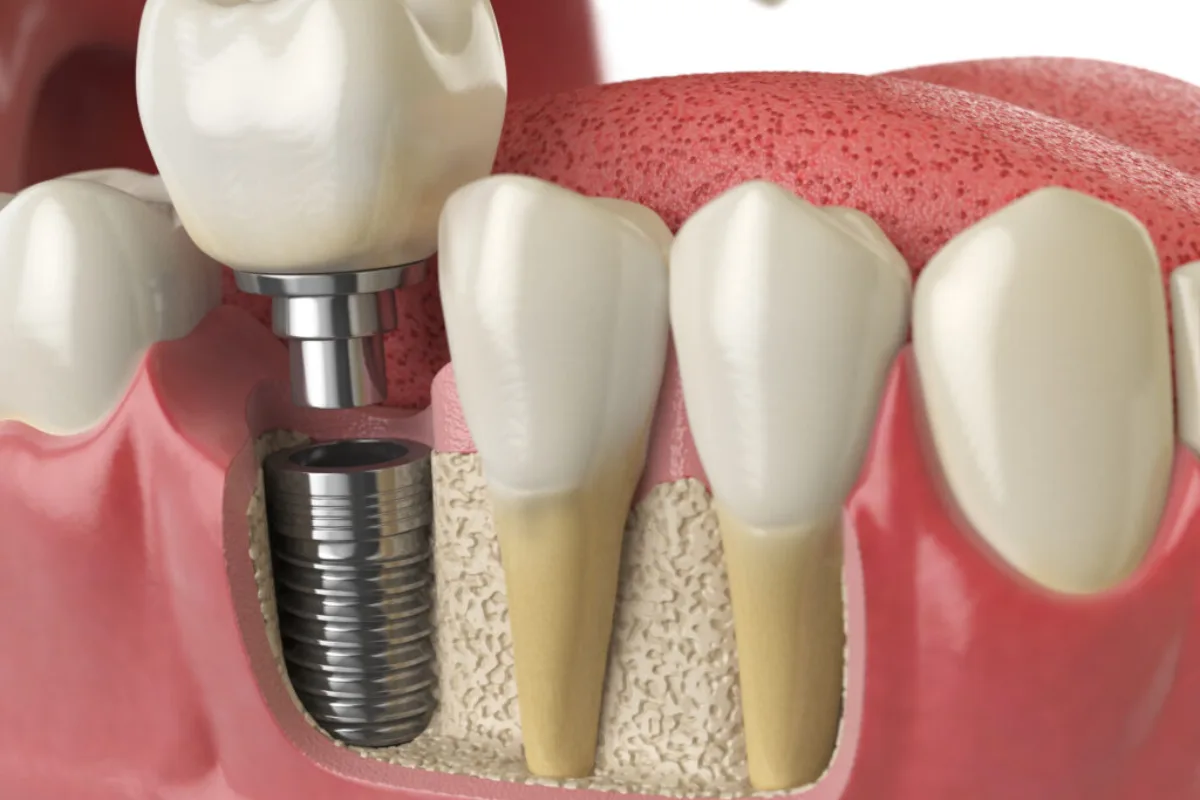
A dental implant is an artificial tooth root placed in the jawbone to take the place of the root of a missing tooth. An artificial tooth is then fitted on top, according to the treatment plan.
One notable feature is that treatment can be planned for the missing tooth’s area alone. So in suitable cases the tooth can be replaced without working on the healthy neighbouring teeth.
Whether treatment can be done and which method is preferred is decided after the examination and any imaging needed.
How Does the Implant Process Go?
The first stage is a detailed examination. Your dentist assesses your mouth and teeth and does the planning needed for the implant.
When needed, a panoramic X-ray or 3D imaging is used to assess the structure of the jawbone, the site for the implant and the related anatomy.
Examination and Planning
In the first assessment, factors such as these are considered:
- The area of the missing tooth or teeth
- The condition of the jawbone
- The condition of the surrounding teeth
- Oral and gum health
- The bone support the implant needs
These are the kinds of factors taken into account.
Where the bone isn’t sufficient, it’s also assessed whether extra treatment is needed before the implant.
Placing the Implant
Once the plan is made, the implant is placed in the chosen area. Local anaesthesia is used during the procedure.
After placement a healing period is needed for the bone to integrate with the implant. Its length can vary with the patient’s condition and the treatment done.
Preparing the Crown
After healing, the next stage is preparing the artificial tooth that goes on the implant.
At this stage the artificial tooth is assessed for:
- Colour
- Shape
- Harmony with the other teeth
- Suitability for chewing
These points are checked.
The aim is to complete the missing tooth’s area both functionally and cosmetically.
How Long Does Implant Treatment Take?
The length of treatment can vary from person to person.
Factors that can affect it include the condition of the jawbone, the number of implants, the position of the missing teeth and any extra treatment that may be needed.
So how long treatment will take can be worked out more accurately after the examination and planning.
What Materials Are Used?
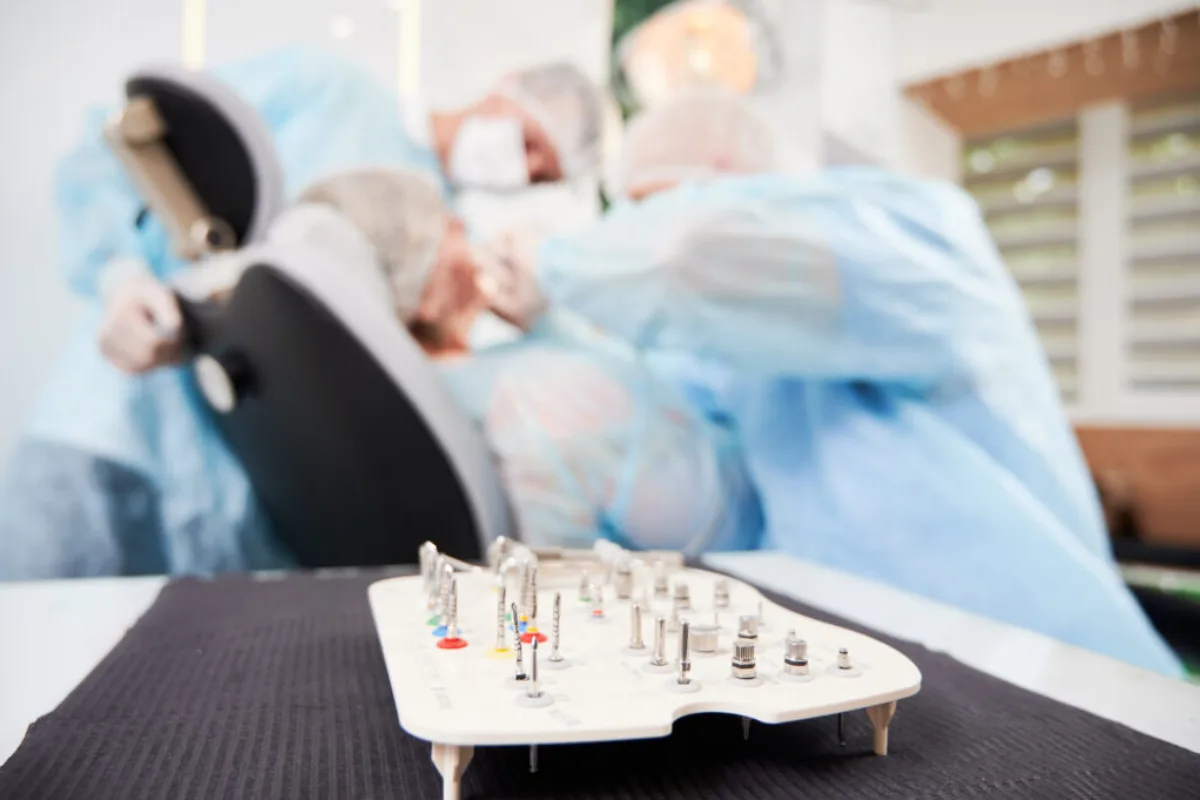
It’s important that the materials are biocompatible. Titanium is widely used for the implant body today.
For the crown that goes on the implant, different materials can be considered according to the treatment and the patient’s needs.
What matters isn’t only the name of the material but a plan that suits the patient’s mouth.
Aftercare
Looking after oral care after implant treatment is important for long-term follow-up.
The implant itself doesn’t decay like a natural tooth, but the health of the gum and tissue around it has to be protected.
So:
- Clean the teeth regularly
- Take care of the area around the implant
- Use the oral care products your dentist recommends
- Don’t skip check-ups
- Follow your dentist’s advice after treatment
If you notice pain, swelling, bleeding or another problem around the implant, it needs to be assessed by a dentist.
What Affects the Outcome?
The patient’s oral and dental health matter a lot when planning implant treatment.
The condition of the jawbone, oral hygiene, smoking and existing health conditions can be among the factors to consider in planning. Smoking and some health problems in particular can affect the healing process.
That’s why a detailed assessment and a plan made for the individual are important before treatment.
What Determines Implant Prices in Bağcılar?
Giving a single figure for implant prices in Bağcılar usually isn’t the right approach.
The cost of treatment can vary with:
- The number of implants
- The crown options used
- The patient’s current mouth and jaw structure
- Any extra treatment that may be needed
These are the main factors.
So it’s better to assess the price after the examination, on the basis of a plan made for the patient.
Is Implant Treatment Painful?
Local anaesthesia is used during the procedure, so pain during it is kept under control.
After the procedure, depending on the person, there may be tenderness, swelling or discomfort. During healing it’s important to follow the care instructions and medication your dentist recommends.
Can an Implant Be Placed for Every Missing Tooth?
Implant treatment isn’t done the same way for every patient.
When deciding, the condition of the jawbone, oral and dental health, the position of the missing tooth and the patient’s overall needs are weighed together.
So the right way to find out whether you’re suitable for an implant is an examination and assessment by a dentist.
What to Look For When Choosing Implant Treatment in Bağcılar
When looking for a clinic, rather than judging on price alone, pay attention to how treatment is planned.
In particular, consider these together:
- The examination and diagnosis process
- Treatment planning
- The materials used
- The dentist’s experience
- Sterilisation and clinic conditions
- Follow-up after treatment
These points should be looked at together.
For more detailed information about implant treatment in Bağcılar, you can be examined at Ayla Dent Oral and Dental Health Clinic and learn about the options suited to you.
Frequently Asked Questions
Can everyone have implant treatment?
Suitability is decided after assessing the patient’s mouth and jaw.
How long does implant treatment take?
It can vary with the number of implants, the condition of the jawbone and any extra procedures needed.
Is there pain during the procedure?
Local anaesthesia is used. Tenderness afterwards varies from person to person.
Why does the price vary?
The number of implants, the materials, the crown and any extra treatment can all affect the total cost.
Do implants need care?
Yes. Regular oral care and dental check-ups are important to protect the tissue around the implant.
How long can an implant last?
Implants can be used for a long time, but this varies from person to person. Oral hygiene, smoking, general health and regular check-ups are decisive. If an implant isn’t looked after, inflammation can develop around it, much like in the gums.
Is there an age limit?
The jawbone must have finished developing. There’s no upper age limit; the person’s general health and bone structure are assessed.
Can people with diabetes or heart disease have implants?
Implants can be placed in many systemic conditions that are under control. At the examination you need to tell your dentist about your conditions and the medication you take; where needed the assessment is made together with your treating doctor.
Does smoking affect implants?
Smoking slows healing and can affect the implant’s bonding with the bone. It’s advisable to quit or cut down during treatment.
Can an implant be placed if there’s not enough bone?
In some cases an implant can be placed with bone grafting or a different plan. The condition of the bone is assessed with X-ray or tomography.