
It’s very common for teeth to lose their old brightness over time because of tea, coffee, smoking, some foods and other outside factors. So many people wonder how whitening is done, which method works better and whether whitening is safe.
Whitening methods differ according to the cause of the discolouration and the person’s oral health. Some surface stains can be reduced with regular oral care and professional cleaning, while for more marked discolouration, professional whitening under a dentist’s supervision may be chosen.
This article covers how whitening is done, the differences between home and in-office whitening, what to watch for afterwards and frequently asked questions.
How Is Teeth Whitening Done?
Whitening covers procedures aimed at lightening the natural colour of the teeth and reducing staining. But since colour change doesn’t have the same cause in everyone, the method used can vary from person to person.
Stains on the tooth surface from tea, coffee or smoking aren’t assessed the same way as discolouration that comes from inside the tooth. So especially with marked discolouration, it’s important to have the teeth and gums checked by a dentist before whitening.
During a professional assessment, things like cavities, gum problems and existing fillings and crowns can also be taken into account, so a plan can be made to suit the person’s teeth and expectations.
Home Whitening Methods
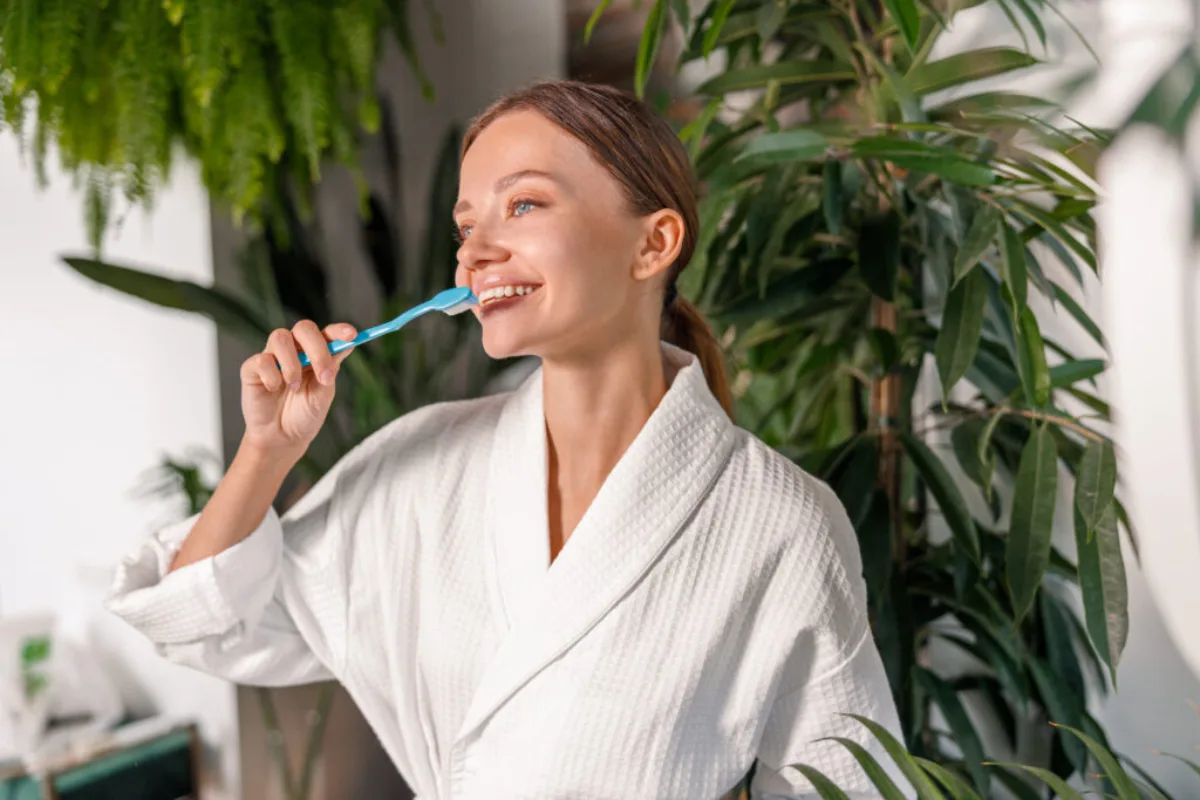
There are some things you can do at home that may help teeth look whiter. But it’s worth knowing these methods may not give the same result as professional whitening.
Keeping up daily oral care can help reduce surface stains. Brushing at least twice a day and cleaning between the teeth regularly play an important part in oral hygiene.
Some people try to whiten their teeth with baking soda, lemon or other natural mixtures. But using abrasive or highly acidic things without control can harm the enamel and gums.
So instead of trying every method found online, choose safe ones suited to your teeth.
Supportive Habits at Home
These habits can help teeth look cleaner and brighter:
- Brushing the teeth regularly
- Using floss or an interdental brush
- Rinsing the mouth with water after tea, coffee and other staining drinks
- Avoiding cigarettes and tobacco
- Not skipping regular dental check-ups
These habits can help reduce surface stains and prevent new staining.
Professional Whitening in the Clinic
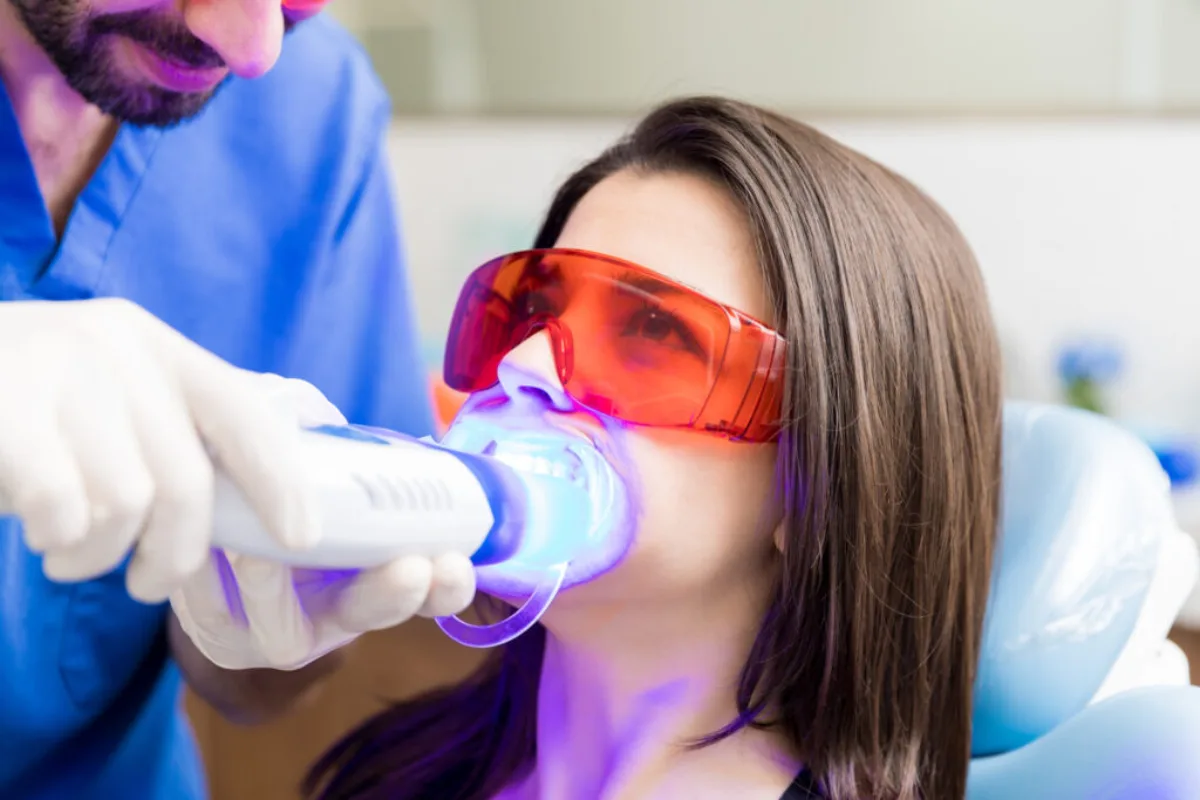
For people who want more noticeable, controlled results, professional whitening done by a dentist may be chosen.
Before professional whitening, the person’s teeth and gums are assessed. If there’s a cavity, gum disease or another problem that needs treatment, it may need dealing with before whitening.
One method used in the clinic is in-office whitening. In this method the whitening is carried out under the dentist’s supervision.
Another option is home whitening with custom-made trays. In this approach the process can continue at home in the way the dentist specifies.
Differences Between In-Office and Home Whitening
In-office and home whitening are applied in different ways.
In-office whitening is done by the dentist in the clinic. It may be preferred by people who want results in a shorter time.
Home whitening is usually done with custom-made trays and an application plan the dentist recommends. Results may appear more gradually.
Which method is more suitable should be decided according to the current colour of the teeth, oral health, sensitivity and the person’s expectations.
Aftercare
Oral care habits matter for keeping the colour achieved after whitening.
Drinking tea, coffee and similar staining drinks often can, over time, cause staining again. Smoking and tobacco can also speed up the return of discolouration.
After whitening, it can help to keep these points in mind:
- Brushing the teeth regularly
- Cleaning between the teeth with floss or an interdental brush
- Limiting staining food and drink
- Avoiding cigarettes and tobacco
- Going to regular dental check-ups
Temporary sensitivity can follow whitening. If it lasts a long time or is severe, see your dentist.
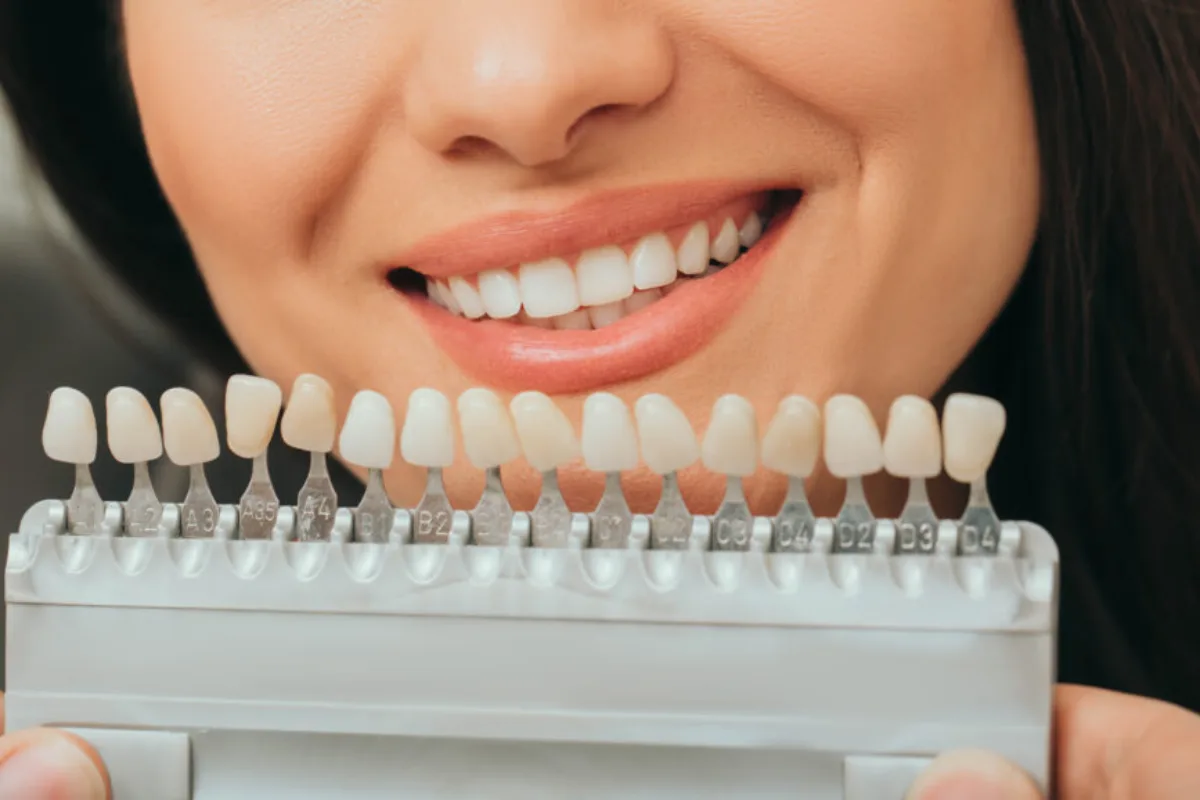
A Dentist’s Check Before Whitening in Bağcılar
It can’t be said that the same method suits everyone. Cavities, gum problems, existing fillings, crowns and tooth sensitivity can all affect the method used.
So for people looking into whitening options in Bağcılar, it can help to have their oral and dental health assessed before the procedure.
In a dental examination for people looking for a clinic in Bağcılar, the cause of the discolouration, the current oral and dental health and the person’s expectations are assessed so a suitable plan can be made.
In a dental examination at Ayla Dent Istanbul, the teeth and gums are assessed before whitening and options suited to the person can be explained.
For people looking for a dentist for whitening around Bağcılar Meydan, as well as the convenience of location and transport, a detailed assessment before the procedure matters for settling on the right method.
What’s Checked Before Whitening
Before whitening, the following can be assessed:
- Whether there are cavities
- Gum health
- Tooth sensitivity
- The condition of existing fillings and crowns
- The cause of the discolouration
- The person’s expectations of whitening
This assessment can help plan a more controlled process and decide on the method that suits the person.
Keeping Your Teeth Bright Afterwards
Looking after your mouth after whitening can help the result last longer.
Regular brushing and cleaning between the teeth helps reduce new plaque and surface stains. Regular check-ups also mean new staining and other oral health problems can be assessed early.
It’s also important to watch habits that can stain the teeth after whitening. Frequent tea and coffee and smoking in particular can, over time, make the teeth discolour again.
The Bottom Line
There’s no single answer to how whitening is done. The cause of the discolouration, the person’s oral health, sensitivity and expectations can all affect the method used.
Daily oral care at home can help reduce surface stains and make teeth look cleaner. But for more marked discolouration and professional whitening, acting under a dentist’s supervision is the better approach.
If you’re looking into whitening or dental clinics in Bağcılar, a detailed examination beforehand will assess your teeth and gum health and let you learn about the method that suits you.
Frequently Asked Questions
1. How is teeth whitening done?
Depending on the person’s teeth and the cause of the staining, whitening can be done with in-office methods or home methods supervised by a dentist.
2. Can everyone have whitening?
The same method may not suit everyone. Cavities, gum problems, sensitivity and existing restorations should be assessed before the procedure.
3. Is whitening at home safe?
Methods recommended and supervised by a dentist should be preferred. Abrasive or acidic things used without control can harm the teeth.
4. How long does in-office whitening take?
The time depends on the method used and the person’s teeth. The exact time is set after the assessment before the procedure.
5. Will there be sensitivity after whitening?
Some people get temporary tooth sensitivity. If it lasts a long time or is severe, consult your dentist.
6. Do fillings and crowns whiten?
Whitening affects the colour of natural tooth tissue. The colour of restorations such as fillings, crowns and veneers doesn’t change in the same way.
7. Is whitening permanent?
How long the result lasts varies with oral care, eating habits, smoking and other factors.
8. Do coffee and tea make teeth yellow again?
Tea, coffee and other coloured drinks taken often can, over time, cause surface stains and discolouration again.
9. Is scaling needed before whitening?
Depending on the person’s oral health, scaling or other treatment may be needed. This is assessed during the dental examination.
10. When should I see a dentist for whitening in Bağcılar?
If you’re unhappy with the colour of your teeth, have marked discolouration or don’t know which whitening method suits you, you can have your oral health assessed at a dental examination.