
Many people get bad breath now and then, but when it keeps coming back it stops being just a physical issue and can affect social life and confidence. If you think your breath smells, you may avoid talking at close range, cover your mouth when you speak, or find it hard to relax in social settings.
Persistent bad breath in particular can hurt confidence and make a person uncomfortable at work, at school or in relationships. So instead of only masking it for a while, it’s important to find the cause underneath.
Mild breath odour on waking is usually temporary. But bad breath that lasts through the day despite regular oral care can be a sign of a problem with oral or dental health.
One of the most common causes is the bacteria in the mouth. Food left between the teeth, bacteria building up on the tongue, tartar and gum problems can all cause a bad smell. Dry mouth, smoking and some health conditions can also play a part.
In this article we cover why bad breath happens, how it can be reduced and when to see a dentist.
What Causes Bad Breath?
Bad breath can have many different causes. One of the most common is bacteria building up in the mouth. They break down food residue and can produce foul-smelling compounds.
These situations in particular can lead to bad breath:
- Brushing too little or irregularly
- Food left between the teeth
- Bacteria building up on the tongue
- Tartar build-up
- Gum disease
- Decayed teeth
- Dry mouth
- Smoking and tobacco use
Brushing only the visible surfaces of the teeth isn’t always enough. Bacteria collecting between the teeth and at the back of the tongue can keep the odour going.
Bad Breath and Gum Disease
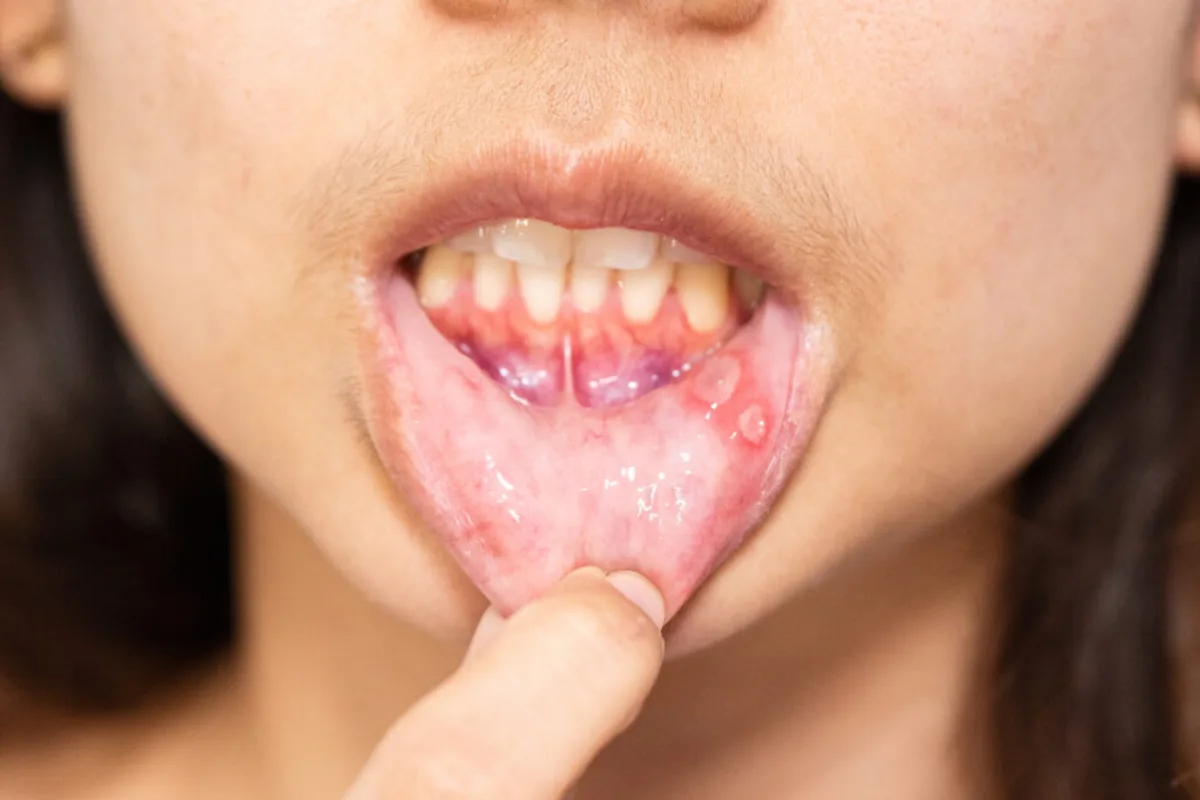
Tooth and gum problems are a major cause of persistent bad breath. Gum inflammation or more advanced gum problems can create spaces where bacteria multiply.
If signs like bleeding gums, swelling, tenderness or loose teeth come with the bad breath, it’s important to be assessed by a dentist.
Decayed teeth, broken fillings and food packed between the teeth can also be the source. So instead of just masking the smell with a mouth spray or chewing gum, the underlying cause needs to be found.
Do Eating Habits Affect Bad Breath?
Some foods and drinks can cause temporary bad breath. The smell of garlic, onion and heavily spiced food in particular can linger in the mouth for a while.
Eating too much sugar can also feed the growth of bacteria in the mouth. More bacteria can raise the risk of both bad breath and tooth decay.
Dry mouth is another important cause. Saliva helps clean the mouth naturally. When there isn’t enough saliva, bacteria and food residue stay in the mouth for longer.
So drinking enough water through the day can help reduce dry mouth and support oral hygiene.
Habits That Help Against Bad Breath
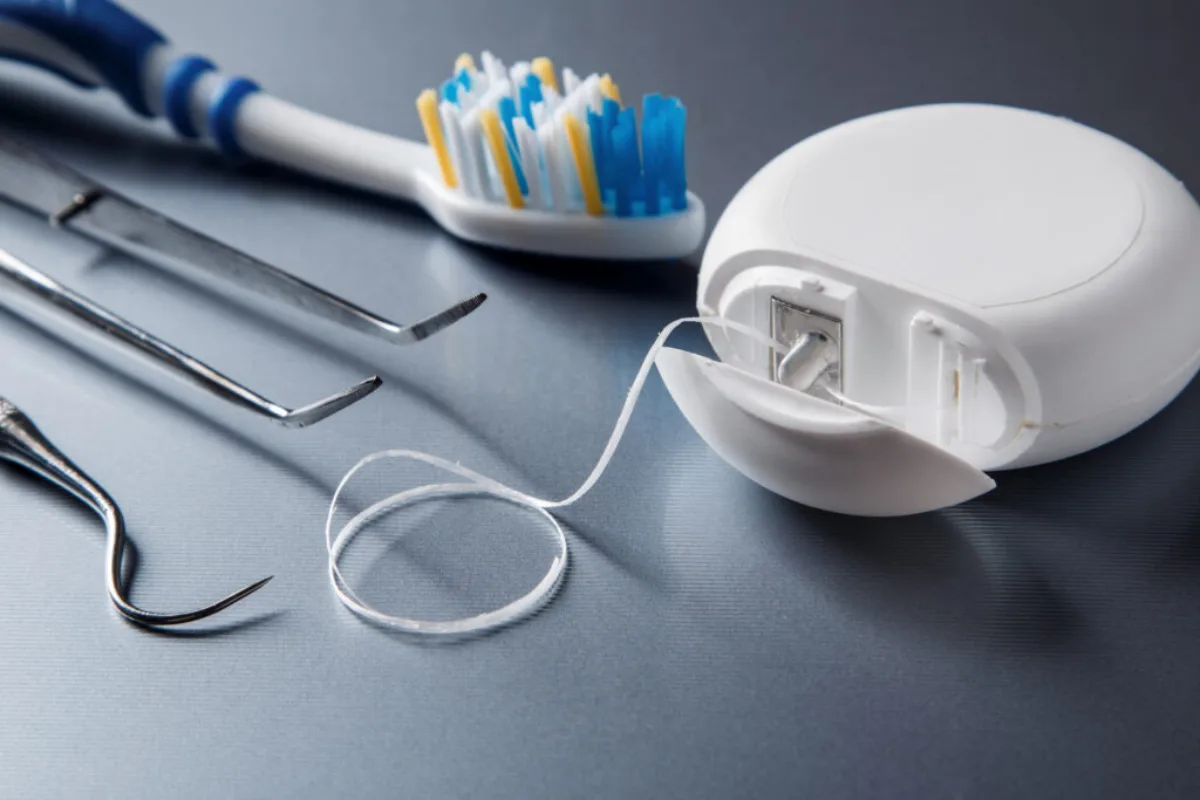
To reduce bad breath you need a regular, correct oral care routine. Brushing at least twice a day is one of the basic steps of oral hygiene.
But an effective routine is more than just brushing.
Things that can help reduce bad breath:
- Brush your teeth at least twice a day.
- Clean between the teeth with floss or an interdental brush.
- Clean the surface of your tongue regularly.
- Drink enough water through the day.
- Avoid cigarettes and tobacco.
- Keep up regular dental check-ups.
These habits can help reduce bacteria and plaque in the mouth.
Why Tongue Cleaning Matters
An important source of bad breath is the bacteria and debris on the surface of the tongue. Bacteria at the back of the tongue in particular can help keep the odour going.
So adding tongue cleaning to your daily routine can help. A dedicated tongue cleaner or a suitable toothbrush can be used.
If a thick coating keeps forming on the tongue, or the odour continues despite regular care, a dentist should assess it.
How Can Bad Breath Be Reduced?
What helps depends on the cause. If the problem comes from poor oral hygiene, regular brushing, flossing and tongue cleaning can help reduce it.
But if the cause is tartar, decay, gum disease or another oral health problem, professional treatment may be needed.
So for long-lasting bad breath, finding the cause is a better approach than masking it with temporary products.

When Should You See a Dentist?
If bad breath continues despite regular brushing and oral care, you should see a dentist.
A professional assessment is especially important if any of these accompany the bad breath:
- Bleeding gums
- Swollen or tender gums
- A constant bad taste
- Toothache
- Visible cavities
- Loose teeth
- Bad breath that has lasted a long time
A dentist can assess whether the bad breath comes from the teeth, the gums or another problem in the mouth. Where needed, scaling, cavity treatment or gum treatment can be planned.
A Dental Check for Bad Breath in Bağcılar
Bad breath doesn’t always come from poor brushing alone. Tartar, cavities, gum disease or other unnoticed problems in the mouth can also cause it to persist.
So if the complaint continues despite regular oral care, it’s important to have the source assessed by a dentist.
For people looking for a dental clinic in Bağcılar who have had bad breath for a long time, a detailed oral and dental examination can help find the underlying cause. During the examination the teeth, gums and any possible problems in the mouth are assessed so a suitable plan can be made.
In a dental examination at Ayla Dent Istanbul, cavities, tartar and gum problems that may cause bad breath can be assessed. Depending on the source, professional scaling or other necessary treatment can be planned.
When to Get Examined for Bad Breath in Bağcılar
If bad breath has lasted a long time and comes with one of the signs below, it can help to be assessed by a dentist in Bağcılar:
- Bleeding or swollen gums
- A constant bad taste
- A visible cavity or broken tooth
- Tartar build-up
- Bad breath that doesn’t go away despite regular oral care

Why Finding the Cause Matters
Bad breath isn’t always just a passing hygiene issue. Long-lasting bad breath in particular can be a sign of a problem with oral and dental health.
So rather than masking it for a while with gum, mints or a mouth spray, it’s important to find the source.
Regular oral care, enough water, cleaning between the teeth and routine dental check-ups all play an important part in preventing bad breath.
If your bad breath has lasted a long time, or comes with bleeding gums, cavities or other problems in the mouth, it will help to be examined by a dentist.
Healthy teeth, healthy gums and regular oral care are important steps towards fresher breath, easier social life and a healthier mouth.
Frequently Asked Questions
1. What causes bad breath?
The most common causes are bacteria in the mouth, food left between the teeth, build-up on the tongue, tartar, cavities and gum disease. Dry mouth, smoking and some foods can also cause it.
2. How can bad breath be reduced?
It depends first of all on the cause. Regular brushing, cleaning between the teeth, tongue cleaning and enough water can support oral hygiene. If the complaint continues, a dental check may be needed to find the underlying cause.
3. Why does my breath still smell even though I brush?
Brushing alone isn’t always enough. Food between the teeth, bacteria on the tongue, tartar, cavities or gum disease can keep the odour going.
4. Does tongue cleaning reduce bad breath?
Bacteria and other debris on the tongue can add to bad breath. Adding gentle tongue cleaning to daily oral care may help reduce it in some people.
5. Can dry mouth cause bad breath?
Yes. Saliva helps carry away bacteria and food residue naturally. With a dry mouth this natural cleaning can drop off and the odour can become more noticeable.
6. Is morning breath normal?
Saliva flow can drop during sleep, so mild breath odour in the morning can occur. But if it continues all day and doesn’t go away despite regular oral care, an assessment can help.
7. Can tartar cause bad breath?
Tartar can give bacteria a surface to cling to. This can affect oral hygiene and, especially together with gum problems, add to bad breath.
8. Can a decayed tooth cause bad breath?
Yes. The structural damage in decayed teeth and food collecting in it can cause bad breath. Treating the cavity matters both for oral health and for removing the source of the smell.
9. Do gum or mouth sprays get rid of bad breath completely?
Gum, mints or a mouth spray can mask bad breath for a while. But if there’s an underlying cause like tartar, decay or gum disease, that problem needs to be assessed for a lasting fix.
10. When should I see a dentist for bad breath?
If bad breath goes on for a long time despite regular oral care, or comes with bleeding gums, swelling, toothache, visible cavities or a constant bad taste, a dental check will help.