
Even if you brush regularly and look after your mouth, deposits can build up on the teeth over time, especially along the gum line. Some of them come off with daily brushing and floss, but tartar that has hardened onto the tooth may need professional cleaning.
Tartar isn’t only a cosmetic problem. Hardened plaque around the gums makes good oral hygiene harder and can, over time, affect gum health. That’s why it matters to have your mouth assessed at regular check-ups and, where needed, to have professional cleaning.
For anyone in Bağcılar thinking about professional cleaning, the first step is to have the teeth and gums assessed by a dentist. After an examination at Ayla Dent, a care and treatment plan that suits your oral health can be put together.
What Is Tartar and How Does It Form?
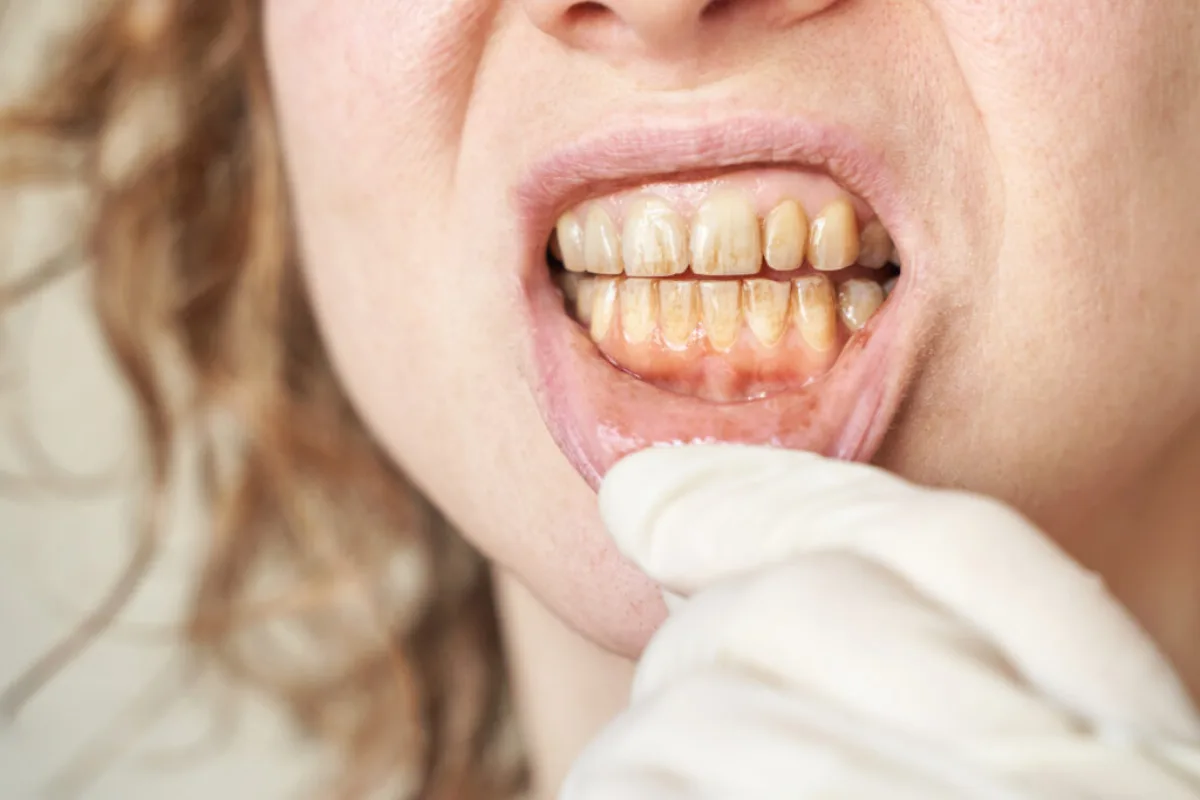
Bacteria in the mouth can form a sticky layer called plaque on the teeth after meals. Plaque that isn’t cleaned away regularly and thoroughly can harden over time under the effect of minerals in saliva. These hardened deposits are called tartar.
Tartar usually shows up near the gum line. In some people it’s more noticeable on the back of the front teeth or the inner side of the lower front teeth, because the salivary glands are close by and minerals deposit more easily there.
Once tartar has formed, brushing alone can’t remove it completely. The hardened deposits need to be cleaned off with professional equipment without harming the tooth surface.
Is Everyone Equally Prone to Tartar?
Tartar formation varies from person to person. Oral care habits, the make-up of saliva, diet and the position of the teeth can all play a part.
Regular brushing and cleaning between the teeth can help reduce plaque. But even people with very good oral care can get tartar in certain spots over time. So instead of relying on daily habits alone, don’t skip regular check-ups.
How Is Professional Cleaning Done?
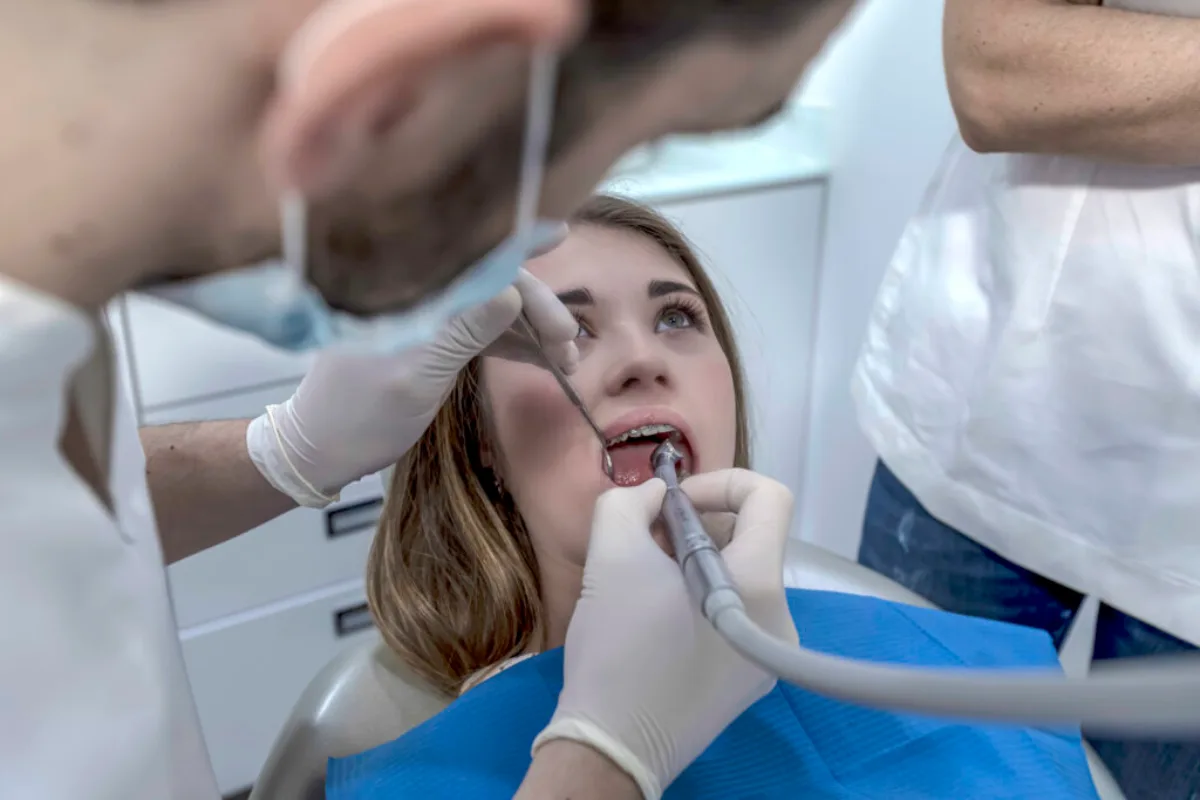
Before cleaning, the dentist assesses the general condition of the teeth and gums. After looking at how much tartar there is and where, the right cleaning is planned.
During cleaning, special ultrasonic devices and hand instruments are usually used to remove the hardened deposits stuck to the teeth. The surfaces can then be smoothed where needed, which can help reduce new plaque build-up.
How long it takes depends on the person’s oral health. Cleaning that’s quick for some people can take longer when deposits are heavier.
For cleaning in Bağcılar too, a detailed assessment beforehand matters. Every patient has a different amount of tartar and different gum health, so the approach should be set for the individual.
Does Cleaning Hurt?
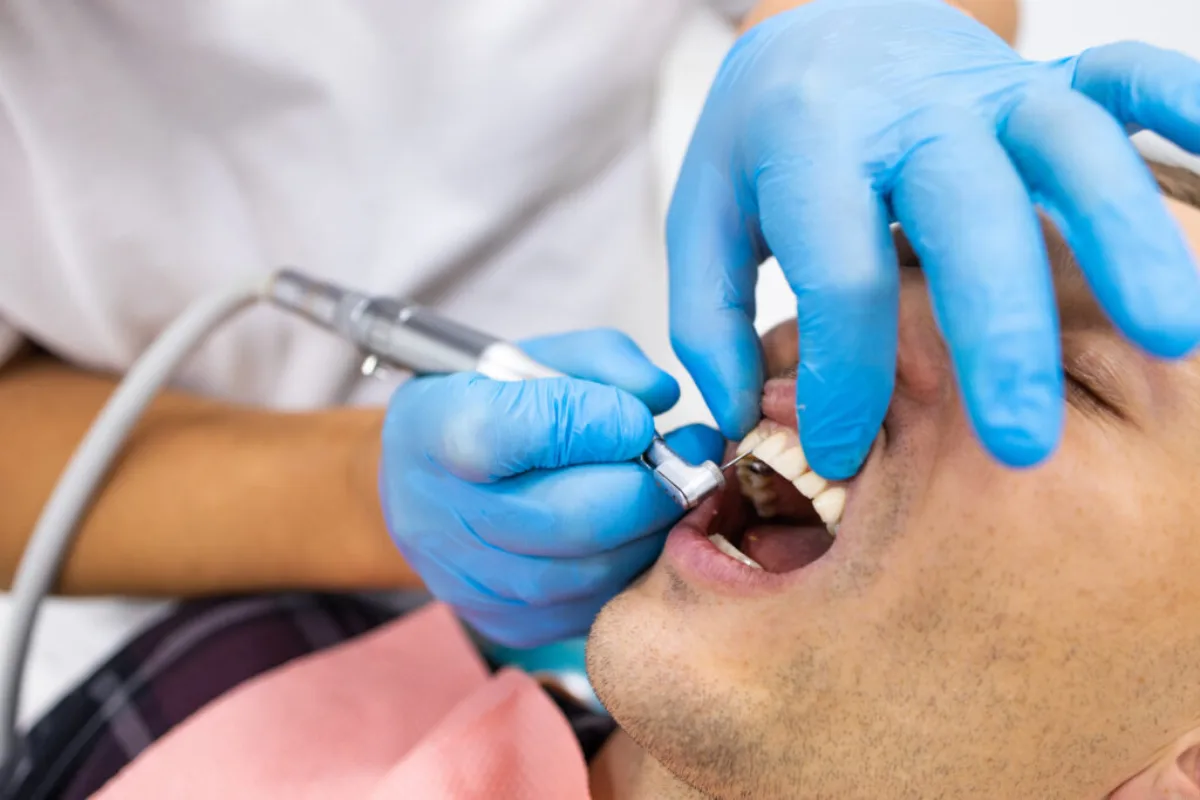
One of the most common questions is whether cleaning hurts. What you feel depends on how sensitive your teeth are, how much tartar there is and the health of your gums.
Some people feel only a slight vibration or sensitivity, while people with sensitive gums may feel more discomfort. Where needed, your dentist can consider suitable ways to make you more comfortable during the procedure.
If tartar hasn’t been cleaned for a long time and there’s heavy build-up around the gums, short-lived sensitivity can follow. This is usually temporary, but see your dentist if it continues or gets worse.
Does Cleaning Damage Enamel?
The aim of professional cleaning, done with the right techniques, is to remove hardened deposits without harming the tooth surface.
Sometimes people think gaps have appeared between their teeth after cleaning. Often these were areas that tartar had filled in or hidden. Once it’s removed, the natural tooth surfaces and the gaps that were already there become more visible.
So a change in how the teeth look or feel after cleaning doesn’t always mean they were harmed during the procedure.
Aftercare
Short-lived sensitivity in the teeth or gums can follow professional cleaning, particularly a temporary sensitivity to hot and cold food and drink.
Keeping up regular oral care afterwards is very important. Brushing effectively at least twice a day and cleaning between the teeth properly can help reduce new plaque.
Using the oral care products your dentist recommends can also help protect your oral health. Since everyone’s mouth and needs differ, personal recommendations on products should be taken into account.
How Soon Does Tartar Come Back?
It isn’t the same for everyone. Some people see build-up again fairly quickly, while others may go much longer without noticeable tartar.
So a single rule like “everyone should have cleaning every six months” may not be accurate. The right frequency of check-ups and care should be set by the dentist according to the person’s oral hygiene, gum health and tendency to form tartar.
With regular check-ups, plaque and tartar that are starting to form can be spotted early.
Gum Health and Tartar
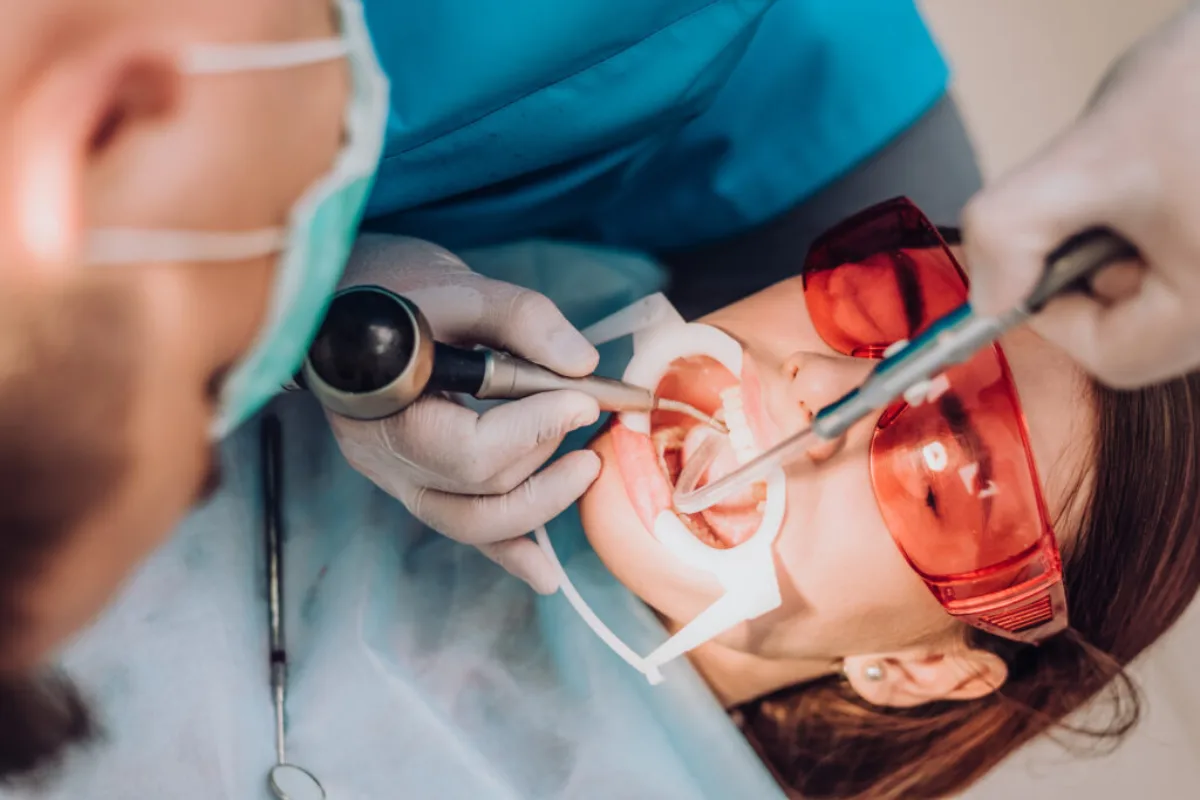
When tartar builds up along the gum line, that area gets harder to clean. The rough surface it creates gives new bacteria and plaque a place to stick.
Over time this can show up as redness, swelling or bleeding when brushing. But tartar isn’t the only cause of bleeding gums, so if you notice these signs, see a dentist rather than diagnosing yourself.
Early check-ups can help assess the health of teeth and gums and plan any needed treatment in good time.
Cleaning in Bağcılar and Regular Check-ups
Cleaning shouldn’t be seen as a cosmetic procedure just to make teeth look cleaner. Regular check-ups and professional assessment have an important place in protecting oral health.
For patients in Bağcılar who come for cleaning or a routine check-up, the mouth is first assessed as a whole. Tartar build-up, gum health, cavity risk and other possible problems are looked at to decide what’s needed.
A dental examination at Ayla Dent Istanbul lets your oral health be assessed and a treatment plan made to suit your needs.
Regular oral care and check-ups matter not only for treating problems you already have but for catching future ones early.
Frequently Asked Questions
1. Does tartar cleaning harm the teeth?
Cleaning done with the right equipment and professional methods aims to remove hardened deposits without harming the tooth surface.
2. Is cleaning painful?
What you feel varies from person to person. People with sensitive gums or heavy tartar may feel more discomfort.
3. How long does it take?
It depends on how much tartar there is and the general condition of the mouth.
4. Will my teeth feel loose afterwards?
Under normal circumstances cleaning doesn’t make teeth loose. But if there are existing gum or supporting-tissue problems, they need to be assessed.
5. Is sensitivity afterwards normal?
Some people get short-lived sensitivity to hot and cold. If it lasts a long time or gets stronger, see your dentist.
6. Why do gaps show up after cleaning?
Tartar may have been covering existing gaps between teeth or areas where the gums had receded. After cleaning, the natural shape of the teeth becomes more visible.
7. Can tartar be removed at home?
Hardened tartar can’t be fully removed at home with brushing or ordinary oral care products. Professional assessment and proper cleaning may be needed.
8. How often should it be done?
That varies from person to person. The right frequency of check-ups and cleaning should be set by the dentist according to your oral health.
9. Can tartar cause bad breath?
Bacteria and plaque in the mouth can contribute to bad breath. But since there can be other causes too, a dentist should assess it where needed.
10. When should I see a dentist for cleaning in Bağcılar?
If you have bleeding or swollen gums, bad breath, hard deposits on the teeth or haven’t had a check-up for a long time, you can see a dentist to have your oral health assessed.