
It can be worrying for parents when a child complains of toothache, struggles to eat or has a swollen gum. With baby teeth especially, it’s easy to think, “It’ll fall out anyway,” and wait for things to settle. But sometimes decay or damage reaches the living tissue inside the tooth.
That’s where root canal treatment in children can come in, to keep the tooth in the mouth as far as possible and protect the child’s oral health. For families in and around Bağcılar, a child’s toothache, deep cavities or injury-related tooth problems are among the things that should be assessed early.
When children’s oral health is assessed at Ayla Dent in Bağcılar, each child’s teeth and needs are considered separately. The aim, in suitable cases, is to keep the baby tooth as long as possible and support the child’s oral development.
These treatments in children can involve different methods from the classic root canal in adults. Depending on the tooth, procedures such as pulpotomy or pulpectomy may be used. The main aim is to assess infected or damaged tissue, carry out the treatment needed and keep the tooth working where possible.
Baby teeth aren’t just temporary. They help the child chew and speak and guide the permanent teeth into the right position. So whether a baby tooth damaged by deep decay or injury can be treated should be carefully assessed before a decision to extract it.

When Is It Needed in Children?
Advanced decay is one of the most common reasons in children. A cavity that looks small at first can reach deeper layers over time. When decay affects the pulp inside the tooth, a filling alone may not be enough.
Constant or spontaneous toothache, hot or cold sensitivity, swelling in the gum or small pus-filled spots near the tooth are among the signs that need assessing. But not every pain or cavity means a root canal. The decision is made after a clinical examination and, where needed, an X-ray.
Dental injuries can also lead to a root canal. A child can knock a tooth while playing or in a fall. Sometimes the inner tissue is damaged even when there’s no obvious break on the outside. So if you notice a colour change or sensitivity after an injury, it’s important to see a dentist.
For parents looking for a children’s dentist in Bağcılar, an early examination can help work out how far the problem has gone. Pain, swelling and signs of infection in particular shouldn’t be left for long.
What’s the Difference Between Pulpotomy and Pulpectomy?
In paediatric dentistry the treatment depends on how much damage there is to the tooth’s inner tissue. If the problem is limited to one part of the pulp, a more limited treatment called pulpotomy can be used.
Where infection or damage has spread over a wider area, pulpectomy may come into the picture. In this procedure the infected tissue inside the tooth is cleaned out and treatment is planned using materials suitable for baby teeth.
The method isn’t decided by the examination alone; the child’s age, the tooth’s position in the mouth, how the roots have developed and its relationship to the permanent tooth beneath are also considered.
So in children’s root canal treatment in Bağcılar, the same method isn’t used for every child. After the examination the tooth’s current condition is assessed and a suitable plan is made.
How Does the Process Go?
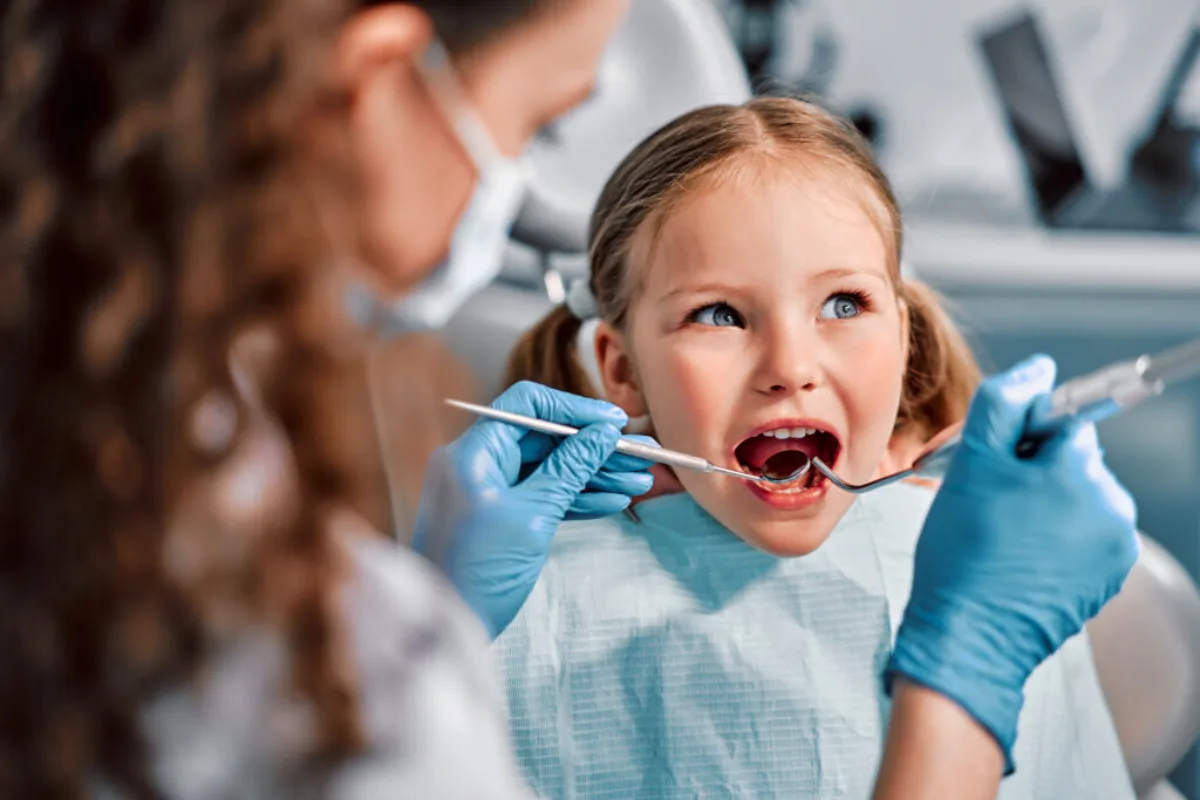
The process begins by informing the child and the parent. An approach suited to the child’s age and needs can help treatment go more smoothly.
First the tooth and surrounding tissue are assessed. If needed, an X-ray shows how far the decay or infection has gone. Then the area is numbed appropriately.
After the decayed tissue is cleaned out, the state of the pulp is assessed. Cleaning and disinfection are carried out as the chosen treatment requires. The inside of the tooth is then filled with suitable materials, and a filling or, where needed, a crown can be placed to protect the rest of the tooth.
No two children’s treatment is the same. Some procedures can be finished in one session, while more extensive cases may need extra appointments and check-ups.
During a child’s treatment at Ayla Dent in Bağcılar, parents are told about the scope of the procedure and the method to be used, so a plan can be made that fits the child’s needs.
Why a Child’s Comfort Matters
A child’s experience at the dentist can shape their future oral health habits. So it matters that the child feels as safe and comfortable as possible during treatment.
It helps if parents avoid frightening wording before treatment. Phrases like “It’s going to hurt” or “Don’t be scared, there won’t be a needle” can make a child anxious about things they hadn’t thought of.
Instead, you can explain in plain, positive words that the dentist will help the tooth get better. The dentist will also choose suitable behaviour-guidance methods for the child’s age and needs.
A positive experience from the first meeting with the dentist can also matter for routine check-ups in the years ahead.
Aftercare
After treatment, especially while the numbness lasts, make sure the child doesn’t bite their cheek or lip. Small children can bite these areas without noticing because of the anaesthetic.
Short-lived sensitivity can follow. But if pain increases, swelling appears or there’s a clear change in the child’s general condition, contact the dentist.
For the treated tooth to stay healthy for a long time, oral care has to continue. Regular brushing, an age-appropriate toothpaste and the check-ups your dentist recommends help reduce the risk of new cavities.
Very hard or sticky food should be eaten with care, especially if the tooth has a large restoration or crown. The dentist will give the best advice on the child’s daily diet and the state of the treated tooth.
Keeping the check-up appointments planned at Ayla Dent in Bağcılar after treatment helps follow the treated tooth and the tissue around it.

Why Keeping Baby Teeth Matters
Losing baby teeth early can let neighbouring teeth drift in some children. Chewing and speech can be affected too.
So it’s assessed whether the tooth can be treated and kept rather than extracted. Of course not every tooth can be saved. Where it’s too badly damaged or the infection is beyond treating, other options may come into play.
What matters is not to leave pain or signs of infection for long because “the baby tooth will fall out anyway.” Early assessment can, in some cases, allow simpler treatment.
So regular check-ups for children can help spot not only current problems but also ones that may develop later.
How to Prepare Your Child for a Dental Visit
A dental visit can be exciting for some children and worrying for others. A parent’s approach can directly affect the child’s experience.
Before the appointment it can help to give the child simple, age-appropriate information. Rather than worrying them with needless detail, you can say their teeth will be checked and the dentist will help keep them healthy.
Taking a favourite toy along can sometimes help the child feel more at ease. Afterwards, rather than rewarding them with sweets, doing something enjoyable together may be a better approach.
Regular, positive dental visits can help a child see oral care as a normal part of life. At children’s dentist visits in Bağcılar, a way of communicating that puts the child at ease can also make the treatment experience better.
Frequently Asked Questions
1. Is a root canal painful for children?
Anaesthetic is used where needed so the procedure is as comfortable as possible. The experience varies with the method used and the individual child.
2. Why treat a baby tooth with a root canal?
Baby teeth help with chewing, speech and guiding permanent teeth into the right position. So in suitable cases, treatment can be used to keep the tooth in the mouth as long as possible.
3. How long does it take?
It depends on the condition of the tooth, the scope of the procedure and how well the child cooperates. Some cases can be completed in one session, while others may need more than one appointment.
4. Can a treated baby tooth hurt again?
Short-lived sensitivity can follow. But if pain continues, increases or is severe, the dentist should assess again.
5. Does every decayed tooth need a root canal?
No. Depending on the depth of the decay and whether the inner tissue is affected, a filling, protective measures or other methods may be chosen.
6. Can the baby tooth be extracted instead?
In some cases extraction may be necessary. But where the tooth can be kept, the plan is made by weighing its importance for development and function.
7. Does a treated tooth need a crown?
That depends on how much material the tooth has lost. A filling or a suitable crown can be chosen to make the tooth stronger.
8. What can my child eat afterwards?
Until the numbness wears off, make sure the child doesn’t bite their lip or cheek. After that they can go back to eating as the dentist advises.
9. What if my child is afraid of the dentist?
It helps not to describe the visit as something scary, to give the child age-appropriate information and to stay calm. If needed, you can talk to the children’s dentist beforehand about your child’s anxiety.
10. Are check-ups needed afterwards?
Yes. It’s important to keep the check-up appointments the dentist recommends so the treated tooth and surrounding tissue can be followed. Regular check-ups can also help catch possible problems early.