
Toothache, sensitivity to hot or cold, discomfort when chewing or swelling in the gum can seriously affect daily life. Sometimes the problem stays limited to a cavity on the surface of the tooth; other times the decay or damage can reach the living tissue inside. That’s where root canal treatment comes in: treating infected or damaged tissue so the tooth can be kept in the mouth as far as possible.
Many people picture root canal treatment as painful and difficult, but with today’s anaesthesia and treatment methods the process can be planned around the patient’s situation. The main aim is to keep the natural tooth where possible and let it go on working.
For anyone looking into root canal treatment in Bağcılar, the most important step is to have the tooth assessed without letting pain or other symptoms drag on. An early examination can, in some cases, catch bigger problems before they develop.

What Is a Root Canal Treatment?
The outer part of every tooth is made of hard tissues called enamel and dentin. Inside is a living tissue called the pulp, which contains nerves and blood vessels.
Deep cavities, injuries, breaks or some other tooth problems can damage this inner tissue or infect it. In that case, just cleaning out the decayed part and placing a filling may not be enough.
In root canal treatment, the damaged or infected pulp inside the tooth is assessed and, where needed, cleaned out. The root canals are shaped and disinfected, then filled with special materials. Afterwards a filling, or a crown where needed, can be placed to protect what’s left of the tooth.
The main aim is to keep the tooth in the mouth without extracting it, where possible, and let it carry on working.
When Is It Needed?
Advanced decay is one of the most common reasons. A cavity that looks small at first can work its way into deeper layers over time and affect the pulp.
But decay isn’t the only reason. Blows to the tooth, breaks, cracks or some earlier procedures can also affect the tissue inside.
These signs can mean the tooth needs to be assessed:
- Toothache that starts by itself or doesn’t stop
- Sensitivity to hot or cold food and drink that lingers
- Pain or a feeling of pressure when chewing
- Swelling in the gum
- A pus-filled spot near the tooth
- The tooth darkening in colour
- Swelling in the face or jaw
Not every one of these signs means a root canal is needed. The decision is made after the dentist’s examination and, where needed, an X-ray.
For people with toothache who are looking for a dental clinic in Bağcılar, an early assessment is important for finding the source of the problem.
How Is It Done?
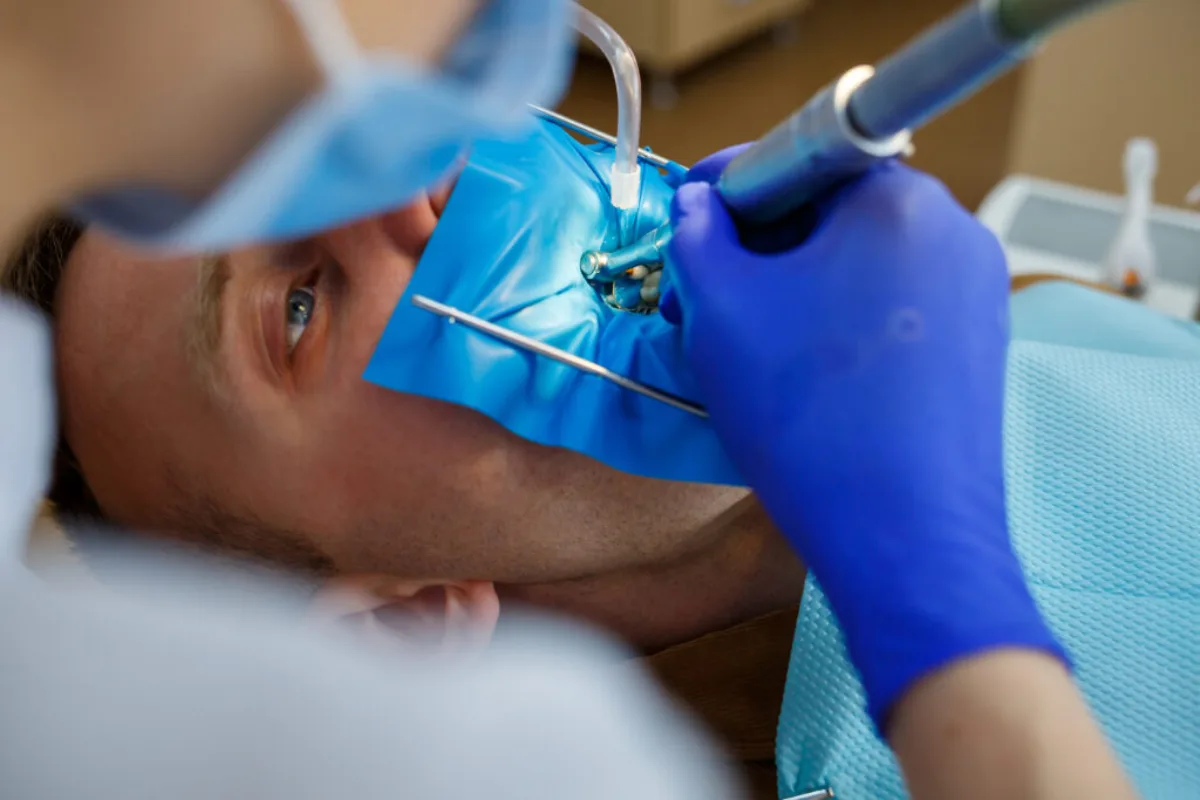
Treatment starts with a detailed assessment of the problem tooth. Its condition is examined and, if needed, X-rays are used.
The area is numbed appropriately. Then the decayed or damaged parts of the tooth are cleaned out to reach the pulp.
The damaged or infected tissue inside the tooth is cleaned out with the necessary methods. The root canals are shaped and disinfected, then filled with suitable materials according to the treatment plan.
In the last stage the top of the tooth is restored. Depending on how much material was lost, a filling can be placed, or a crown may be suggested to make the tooth stronger.
No two root canals go the same way. The root structure of the tooth, the state of the infection and the extent of the damage can affect the scope of treatment. Some cases can be finished in one session; others may need several appointments.
When root canal treatment is planned at Ayla Dent in Bağcılar, the tooth’s current condition is assessed and a process suited to the patient can be set up.
Is It Painful?
One of the most common worries is whether treatment hurts. Anaesthetic is used where needed, with the aim of making the procedure as comfortable as possible.
Often the pain people feel comes from the inflammation or damage inside the tooth that led to the treatment in the first place. The treatment aims to deal with the source of that problem.
Short-lived sensitivity or discomfort when chewing can follow. But if pain is severe, getting worse or lasting a long time, contact your dentist.
Pain thresholds and treatment courses differ, so what you experience afterwards can vary from person to person.
Aftercare

Short-lived sensitivity in the tooth and surrounding tissue can follow. It can help to be careful when eating until the anaesthetic wears off.
Until treatment is complete or a permanent restoration is placed, you may need to avoid biting very hard food with that tooth. Teeth that have lost a lot of material can be more fragile after treatment.
Keeping up oral care is also important. A tooth that’s had a root canal isn’t fully protected from decaying again. So:
- Brush your teeth regularly.
- Take care to clean between the teeth.
- Don’t miss the check-up appointments your dentist recommends.
- Don’t ignore a break or a new problem on the tooth.
If pain keeps building after treatment, a noticeable swelling appears or you spot another problem with the tooth, see your dentist.
How Long Does a Treated Tooth Last?
How long a root-treated tooth stays in the mouth depends on many factors: how well the treatment went, how much sound tooth is left, the restoration placed on it and the person’s oral care habits.
Where a lot of material has been lost, extra protective work may be needed to help the tooth withstand chewing forces.
Having had a root canal doesn’t mean the tooth no longer needs care. New cavities can form around it, or problems can develop in the restoration over time.
So regular check-ups and good oral care stay important after a root canal.
Root Canal or Extraction?
When a tooth is badly damaged, some people think extraction is the easier solution. But where possible, keeping the natural tooth can be considered.
The gap left after an extraction can, in some cases, let neighbouring teeth drift or affect chewing. An implant, bridge or other options may then come into the picture to replace the tooth.
So whether a tooth gets a root canal or is extracted is decided by looking at how much of it is sound, its root structure, the state of the surrounding tissue and how likely treatment is to succeed.
Not every tooth can be saved with a root canal. Where a tooth is too damaged to treat, other options can be planned.
In assessing root canal treatment in Bağcılar, the aim isn’t only to relieve pain but also to judge whether the tooth can stay healthy in the mouth over the long term.
Is a Crown Needed Afterwards?
Not every tooth needs a crown after a root canal. It depends on how much sound tissue remains and where the tooth is.
A suitable filling may be enough for a front tooth with enough sound structure. For back teeth, which take more chewing force, restorations such as a crown can be considered, especially if a lot of material has been lost.
Once root canal treatment is complete, your dentist will look at the tooth’s current structure and decide on the most suitable restoration.
Why Oral Care Matters Afterwards

A root canal treats the existing problem. But neglecting oral care afterwards can lead to new problems in the same tooth or others.
Brushing regularly every day, cleaning between the teeth and going to regular check-ups help protect oral health.
People who clench or grind their teeth can put too much force on root-treated teeth. If that’s the case, protective measures the dentist thinks suitable can be considered.
With regular check-ups at Ayla Dent in Bağcılar, both root-treated teeth and the rest of your teeth can be monitored.
Frequently Asked Questions
1. Is a root canal painful?
Anaesthetic is used where needed, so the procedure is as comfortable as possible. The experience can vary with the condition of the tooth and the person’s own sensitivity.
2. How long does it take?
It depends on the root structure of the tooth, the state of the infection and the scope of the work. Some cases can be completed in one session, while others may need several appointments.
3. Does every toothache need a root canal?
No. Toothache can have many causes. Decay, gum problems, sensitivity or other issues can all cause pain. The treatment is decided after an examination.
4. Can a treated tooth hurt again?
Short-lived sensitivity can follow. But if pain continues or increases, the tooth may need to be assessed again.
5. Can a root-treated tooth decay?
Yes. A root canal treats the problem with the living tissue inside the tooth, but the outer surface can decay again. So keeping up oral care is important.
6. Root canal or extraction: which is better?
It depends on the tooth’s condition. If the tooth can be kept by treating it, a root canal can be considered. But some teeth are too damaged to be saved.
7. Is a crown needed after a root canal?
Not always. Filling or crown options can be considered depending on how much material has been lost, the tooth’s position and chewing forces.
8. Can I eat after a root canal?
Yes, once the anaesthetic has worn off and following your dentist’s advice. You may need to avoid very hard food with a tooth whose treatment isn’t finished or that has a temporary restoration.
9. What if a root canal doesn’t work?
In some cases infection or other problems can come back in the tooth. It may then need to be treated again, or other options considered.
10. When should I see a dentist for a root canal in Bağcılar?
It may be appropriate to see a dentist when you notice toothache that starts by itself or keeps going, pain when chewing, lingering hot-cold sensitivity, swelling in the gum or a clear change in tooth colour. After an assessment at Ayla Dent in Bağcılar, root canal treatment or other options can be planned according to the tooth’s condition.