
Straight teeth usually make people think of looks first. But orthodontics isn’t only about appearance. It deals with the position of the teeth, how the upper and lower jaws meet, and certain problems with jaw development.
So is orthodontic treatment necessary? It depends on the person. For some, it’s mainly about how they’d like their smile to look. For others, there’s a real issue with chewing, bite or keeping the teeth clean. This article explains the difference.
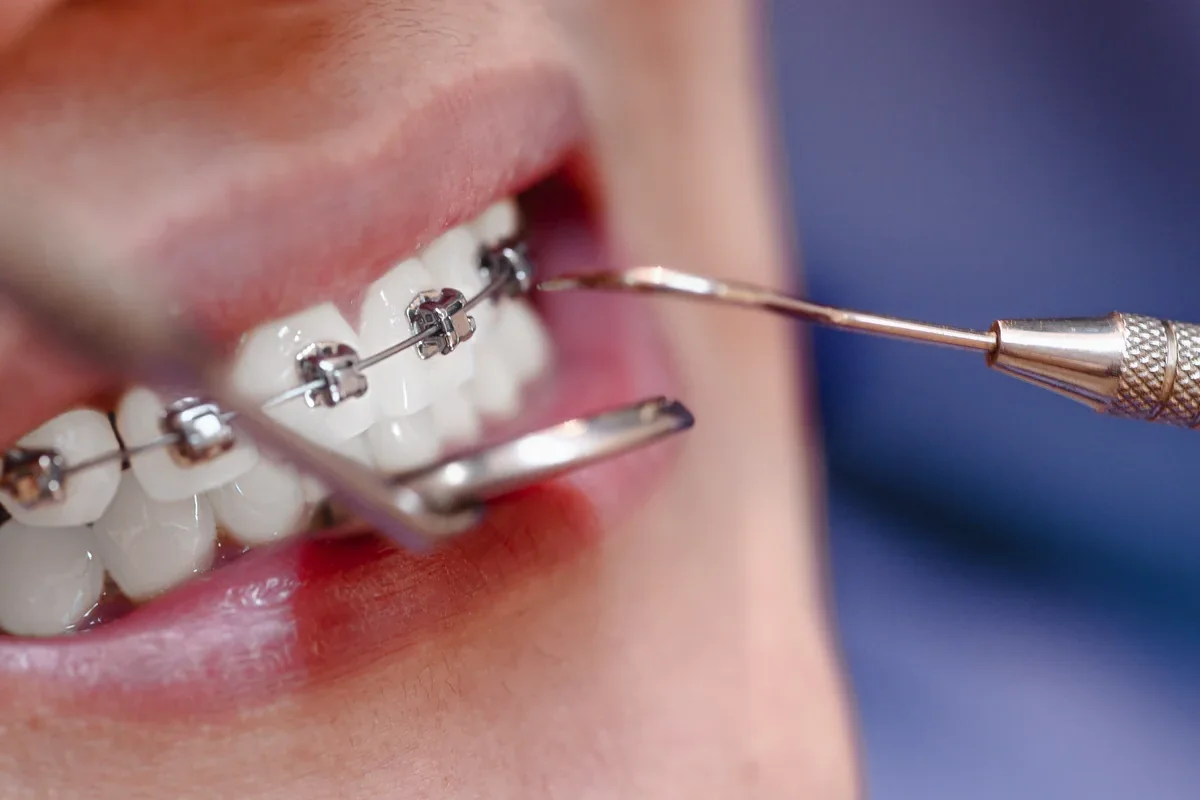
What Is Orthodontic Treatment?
Orthodontic treatment assesses and corrects crowding, gaps, bite problems and some issues with how the jaws relate to each other. Metal or ceramic braces, clear aligners and various orthodontic appliances are used for this.
The method depends on the patient’s age, the position of the teeth, jaw growth and the nature of the problem. The goal isn’t just to line the teeth up; it’s also to help them meet in a balanced bite. For an overview of the treatment, see our Orthodontics page.
Is Orthodontics Only Cosmetic?
No. A better-looking smile is one important result, but it’s not the only reason.
When teeth are noticeably crowded, brushing and flossing between them gets harder. If the upper and lower teeth don’t meet properly, chewing can become unbalanced. Orthodontics may be planned to:
- Correct crowding and alignment problems
- Improve how the upper and lower teeth meet
- Support more balanced chewing
- Reduce alignment problems that make cleaning difficult
- Help lower the risk of injury to prominent front teeth
- Assess jaw growth problems in children at the right time
So orthodontics can be cosmetic, functional or both. An examination shows which matters more in your case.
When Is Orthodontic Treatment Considered?
Not every bit of crowding or every gap needs treatment. The decision looks at tooth position, bite, oral health and function together.
Crowding and lack of space
If there isn’t enough room in the jaw, teeth can come in crowded or overlapping. These areas are hard to clean, and with poor hygiene the risk of decay and gum problems can rise. Good oral care is still needed after treatment.
Upper and lower jaws not meeting properly
Crossbite, open bite, deep bite and noticeably protruding teeth are among the situations that call for an orthodontic assessment. The effect differs between people; some have difficulty chewing or unwanted contact between teeth.
Jaw growth problems in children
As children grow, a mismatch can develop between the upper and lower jaws. Crossbite, a marked jaw mismatch and problems with adult teeth coming through may need early assessment. Not every child needs early treatment, but a check during the growth years helps decide when to start. We cover appliances used after early loss of baby teeth in our article on space maintainers.
Protruding front teeth
If the upper front teeth stick out noticeably, they’re more likely to be damaged in a fall or knock. In suitable patients, orthodontic treatment can help reduce that risk.
Is Orthodontic Treatment Urgent?
Usually it’s a planned treatment. Crowding or a bite problem doesn’t on its own mean you need urgent care. But that doesn’t mean it can always be put off indefinitely. With jaw problems during growth or teeth not coming through properly, timing can matter. An orthodontic examination and any necessary tests decide when to start.
Severe or worsening pain, facial swelling with a fever, a serious dental injury or bleeding that won’t stop are not orthodontic problems. If you have any of these, get medical help without delay.
What Happens If Treatment Is Delayed?
It depends on the problem and your age. Mild alignment issues may not change much for a long time. In other cases, crowding can increase, teeth can shift or the bite can change over time.
In children, the growth period affects some treatment options, and if assessment doesn’t happen at the right time, choices may narrow. That doesn’t mean every patient will end up with a worse problem.
What If I Don’t Get Braces?
That depends on your orthodontic problem. For someone with mild crowding, who can clean their teeth easily and has no real bite problem, treatment is mainly a cosmetic choice. For someone with a marked bite problem or difficulty chewing, function comes into it too. The consequences aren’t the same for everyone.
At What Age Should Treatment Start?
There’s no single age that applies to everyone. The American Association of Orthodontists (AAO) recommends a child’s first orthodontic check by age 7 at the latest (AAO, Child Orthodontics). That check doesn’t mean every child will need braces. Some just need regular monitoring; for others, early treatment may be considered. For more, see our article on orthodontics for children.
Teenagers can have braces or clear aligners. Adults can have treatment too if their gums and bone are healthy. Age alone isn’t a barrier; gum health, bone support and existing fillings or crowns shape the plan.
Braces or Clear Aligners?
Fixed braces move the teeth using brackets bonded to them and wires. Clear aligners work with a series of custom-made, removable trays. Which is suitable depends on how crowded the teeth are, the bite problem, your oral health and how consistently you’ll follow the treatment. There’s no single right method. We compare the two in detail in Braces or clear aligners?

How Does Orthodontics Affect Oral Health?
Once teeth are better aligned, some people find them easier to clean. A corrected bite can support chewing. The benefit depends on the problem you started with.
If oral care slips during treatment, decay, gum inflammation and staining can occur. That’s why brushing, cleaning between the teeth and dental check-ups need to continue throughout.
Frequently Asked Questions
Is orthodontic treatment compulsory?
No. Whether you need it is decided by looking at alignment, bite, function and oral health.
Are braces only for appearance?
No. They can be used for cosmetic reasons and to treat crowding and bite problems.
Are crooked teeth bad for your health?
Not all crowding causes health problems. Marked crowding can make some areas harder to clean, and with poor hygiene the risk of decay and gum problems can go up.
Will I lose my teeth without orthodontics?
That’s not an accurate generalisation. Tooth loss can have many causes, such as decay, gum disease or injury.
Will orthodontics fix jaw pain?
Jaw pain has many causes, and orthodontics doesn’t resolve every kind of jaw-joint pain. The cause of the pain needs to be assessed first.
How long does treatment take?
It depends on the problem, the method chosen and how well you follow the plan. It’s set as part of your personal treatment plan.
Can orthodontics be done at any age?
If your mouth, gums and bone are healthy, adults can have treatment too. The plan varies with age and individual circumstances.
The Bottom Line
Orthodontics is about more than looks. Tooth position, how the jaws meet, chewing and how easy the teeth are to clean all come into it. At the same time, not every case of crowding needs treatment, and not every orthodontic problem is urgent. What matters is a personal plan that weighs your cosmetic goals and your health needs together.
This article is for general information only and isn’t a substitute for diagnosis or treatment advice. Whether you need orthodontic treatment is determined by an examination with a dentist or orthodontist.