
A child’s oral health lays the foundation for habits that last a lifetime. Mouth care that starts when the first teeth come through isn’t only about preventing cavities. It also matters for healthy eating, speech development and the child’s overall oral health.
So when should brushing start, why should baby teeth be protected, and when should a child have a first dental check-up?
In this article we cover the main things parents need to know to protect their children’s teeth.
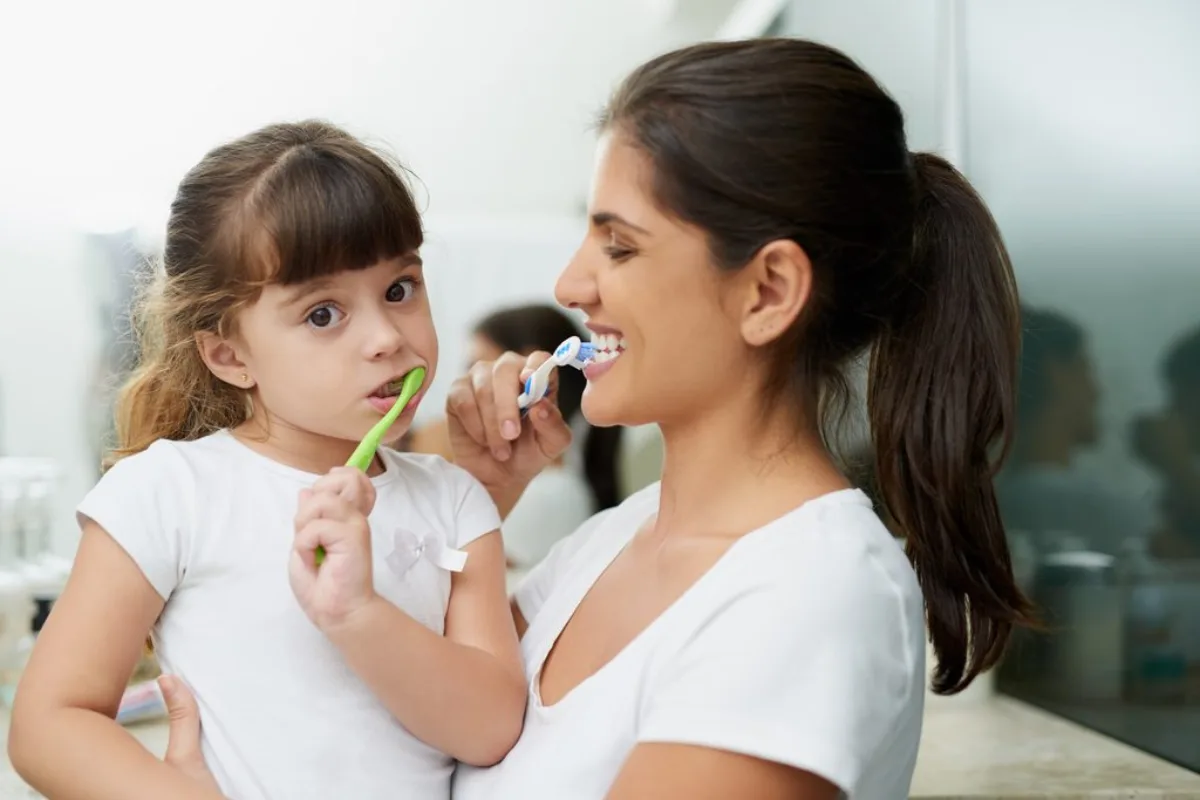
When Should Dental Care Start?
Mouth care can begin in infancy, before the first tooth arrives. While there are no teeth yet, the gums can be wiped gently with a clean, damp cloth or a suitable mouth-cleaning aid.
Once the first baby tooth appears, start using an age-appropriate soft-bristled toothbrush. At this stage parents should do the cleaning themselves and make it a regular habit.
Starting early makes it easier for children to get used to having their teeth cleaned and helps them build healthy habits as they grow.
How Often Should Children Brush?
From the first tooth on, brush a child’s teeth twice a day, morning and evening. Cleaning before bed is especially important for preventing cavities.
Because children’s hand skills and brushing technique develop with age, parents need to help along the way.
Even once a child starts brushing alone, it should continue under a parent’s supervision to make sure every surface is properly cleaned. When a child can clean their teeth effectively varies with their individual development.
Choosing the Right Toothbrush and Toothpaste

Children’s mouths are different from adults’, so choose a toothbrush and toothpaste that suit their age.
When choosing a toothbrush, look for:
- soft bristles,
- a small head,
- a comfortable fit in the child’s mouth,
- and a handle that’s easy to grip.
For toothpaste, choose one that contains fluoride. Fluoride helps strengthen enamel and prevent cavities.
Adjust the amount of toothpaste to your child’s age:
- a smear the size of a grain of rice for children under 3,
- and a pea-sized amount of fluoride toothpaste for children aged 3–6.
Parents should supervise so small children don’t swallow the toothpaste. The right product and amount for your child can be assessed by a dentist.
Why Baby Teeth Matter
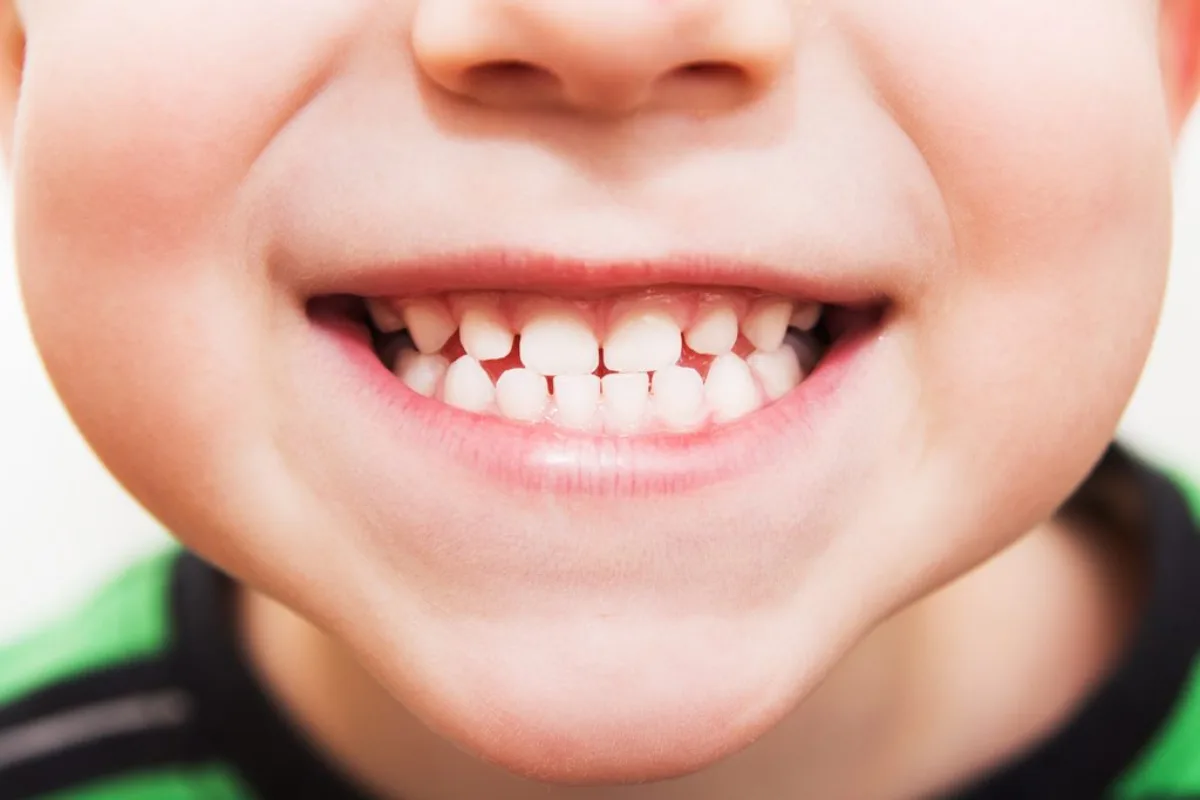
Although they’re temporary, baby teeth do important jobs in a child’s development. They play a part in chewing, speech and in guiding permanent teeth into position.
Losing baby teeth early can, in some cases, affect how permanent teeth come through and may set the stage for orthodontic problems later.
That’s why decayed baby teeth are treated, and the aim is to keep them in the mouth until they fall out naturally.
Cavities in baby teeth that are ignored can cause pain, infection and difficulty eating. Regular dental check-ups matter even when the child has no complaints.
Preventing Cavities in Children
Cavities in children tend to develop from frequent sugary food and drink combined with poor oral hygiene.
To lower the risk, parents need to pay attention to daily habits.
Tips that help prevent cavities:
- Brush morning and evening, every day.
- Use an age-appropriate amount of fluoride toothpaste.
- Limit sugary snacks and drinks.
- Avoid frequent sugary food between meals.
- Encourage your child to drink enough water.
- Keep up regular dental check-ups.
Falling asleep with a sugary drink, or keeping a bottle in the mouth for long periods, can put a child at risk of early childhood caries.
Helping Children Build a Brushing Habit
It’s important that children see brushing not as a chore but as a natural part of the day. Building the habit early helps them keep up oral care later on.
Parents can try:
Set an example: Children learn by copying their parents. Brushing together can turn oral care into a fun family routine.
Make it fun: Brushing to a favourite song, or using a child’s timer, can make it easier to brush for the recommended time.
Let them pick: Choosing a brush in a colour or character they like can increase their interest in brushing.
Be patient: Brushing skills develop over time. When mistakes happen, encourage rather than punish.
When Should a Child Have a First Dental Visit?
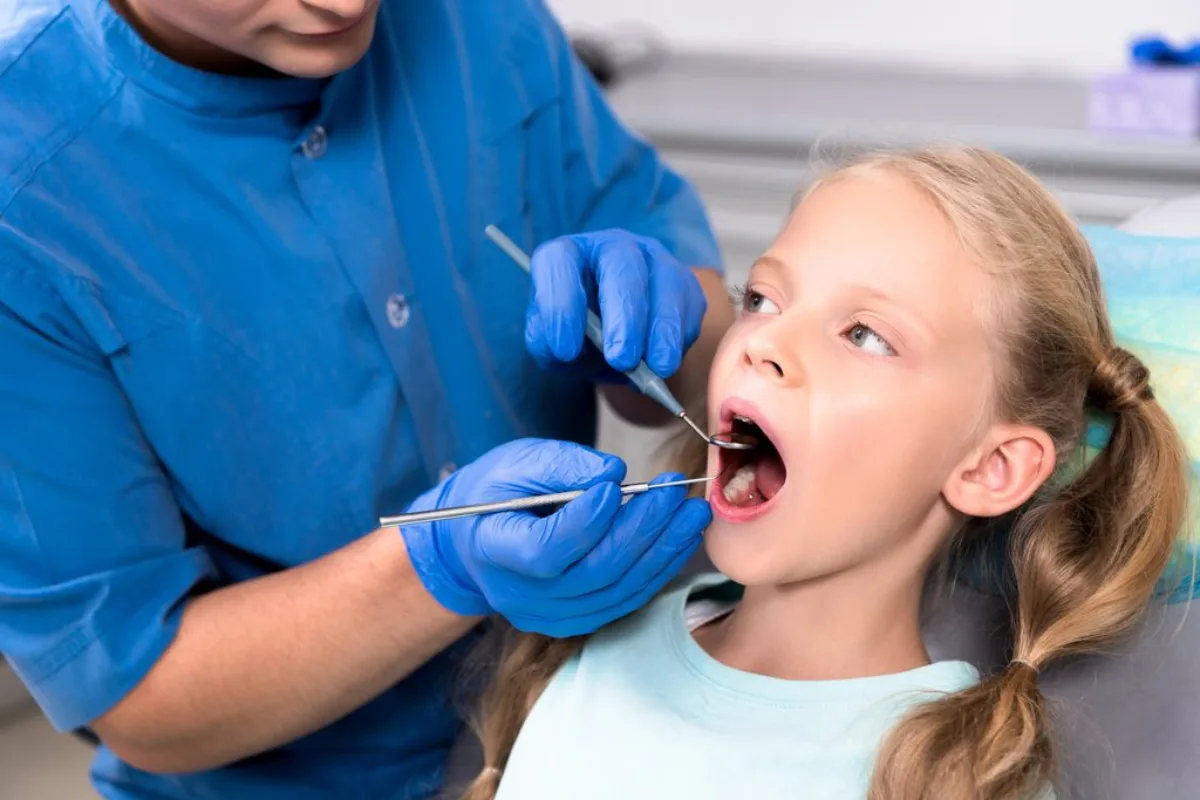
A child’s first dental visit should happen within six months of the first baby tooth coming through, or by their first birthday at the latest.
Early check-ups let the dentist follow tooth development, assess the risk of cavities and tell parents how to look after their child’s mouth.
Waiting for pain or a cavity before the first visit isn’t the right approach. Regular preventive check-ups help catch possible problems early.
How often a child is seen should be decided by the dentist, based on the child’s oral health and cavity risk.
Preventing Fear of the Dentist
Some children feel anxious at the dentist. How parents handle it, and how the first visit goes, play a big part in preventing this.
Before the visit, avoid frightening words, don’t use treatment as a threat, and describe the check-up as a positive experience.
Dentists experienced with children communicate in a way that suits the child’s age and development, which can make the visit easier.
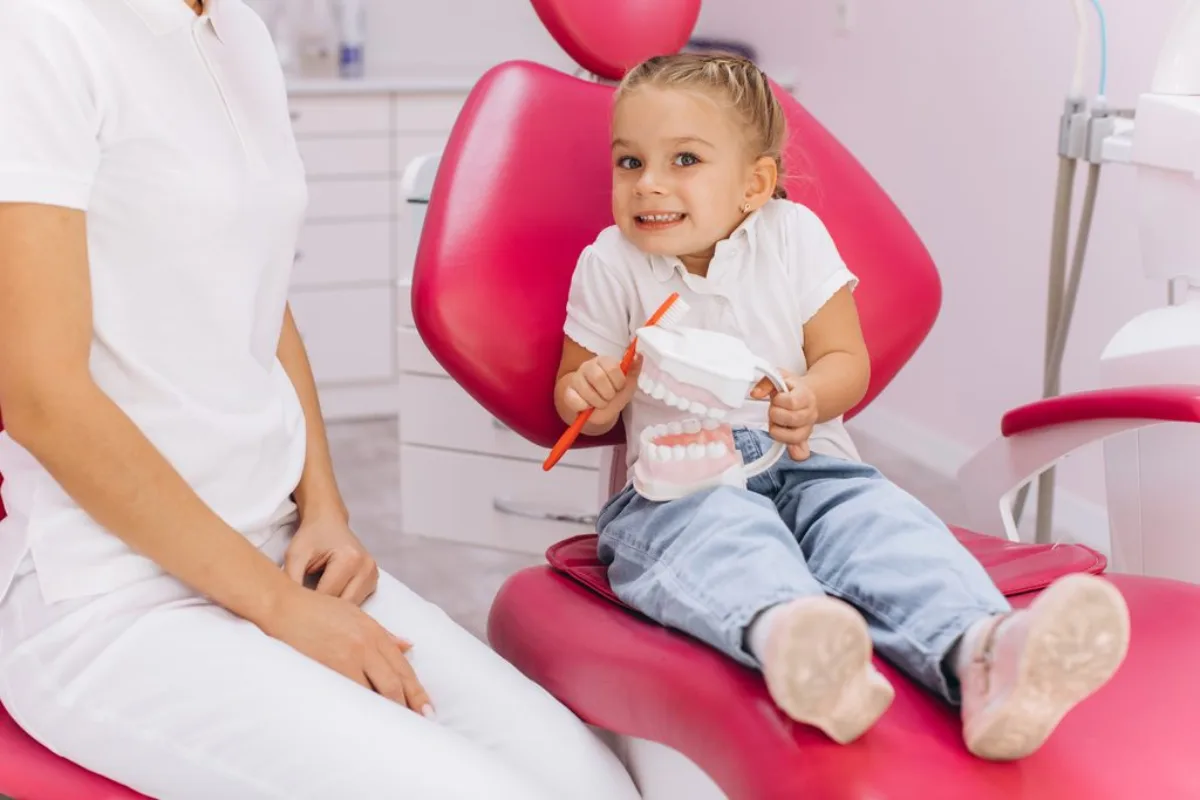
Children’s Dental Care at Ayla Dent
Protecting a child’s oral health starts with good habits learned early. Regular brushing, healthy eating and dental check-ups all support it.
At our clinic in Bağcılar, Ayla Dent offers examinations and treatments to protect children’s oral health. To have your child’s tooth development followed, or to ask about their oral health, get in touch, and you can book an appointment using our free examination.
Frequently Asked Questions
At what age should children start brushing?
Brushing should begin as soon as the first baby tooth comes through. Parents should clean their child’s teeth twice a day, using an age-appropriate soft brush and the right amount of fluoride toothpaste.
Should decayed baby teeth be treated?
Yes. Baby teeth matter for a child’s chewing and speech development and for permanent teeth to come through healthily. Decayed baby teeth should be treated as the dentist advises.
How much toothpaste should children use?
A rice-grain-sized amount of fluoride toothpaste is recommended for children under 3, and a pea-sized amount for ages 3–6. A parent should supervise brushing.
Why do children’s teeth decay?
Poor oral hygiene, frequent sugar and unsuitable eating habits can raise the risk of decay. Regular brushing, fluoride toothpaste and dental check-ups help prevent it.
How often should children see a dentist?
It depends on the child’s oral health and cavity risk. Six-monthly check-ups suit many children, but some need to be seen more often.
When can my child brush alone?
Children want to hold the brush early on, but the hand skill to clean the back teeth and the gum line takes time. Until it’s there, an adult should finish the brushing or check it.
What is a fissure sealant, and does every child need one?
A fissure sealant is a thin protective layer applied to the deep grooves on the chewing surface of molars. It helps reduce the chance of food trapped in those grooves turning into decay. Whether a child needs one is decided at the examination, based on tooth structure and cavity risk.
Do pacifiers and thumb-sucking affect teeth?
Pacifiers and thumb-sucking are common in infancy. If they continue for a long time they can affect how teeth line up and the shape of the palate. If the habit continues, it helps to raise it with your dentist at the next check-up.
What happens if a baby tooth is lost early?
If a baby tooth is lost early to decay or a knock, neighbouring teeth can drift into the gap, which can leave less room for the permanent tooth underneath. The dentist will assess the situation and, if needed, may suggest a space maintainer to hold the gap.