
Morning jaw fatigue, sensitive teeth or visible wear can lead people who clench or grind to ask about night guards.
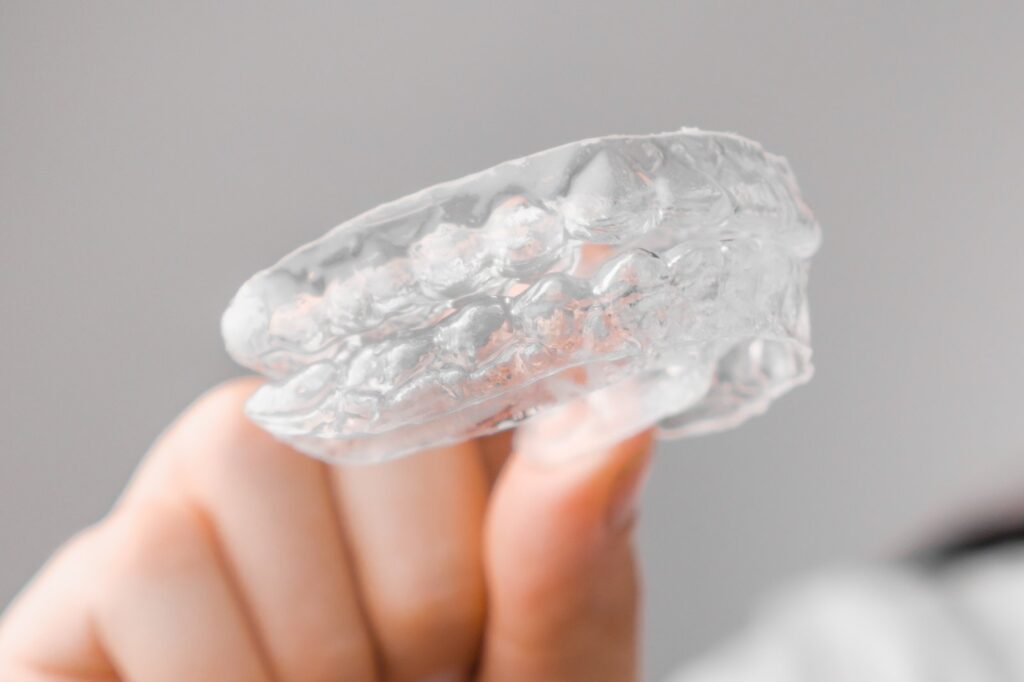
A night guard is a protective appliance, usually worn during sleep, that a dentist can make to fit the shape of your teeth.
Does it stop grinding completely? Does everyone need one? And how should you clean it? This guide covers the basics.
What Is a Night Guard?
A night guard fits over the upper or lower teeth. Its design depends on your teeth and on what the dentist wants it to do.
For people at risk of tooth wear from bruxism, it acts as a protective layer between the upper and lower teeth.
You may also hear it called a bite guard, bruxism splint or occlusal splint. Not all of these appliances have the same design or purpose.
What Does a Night Guard Do?
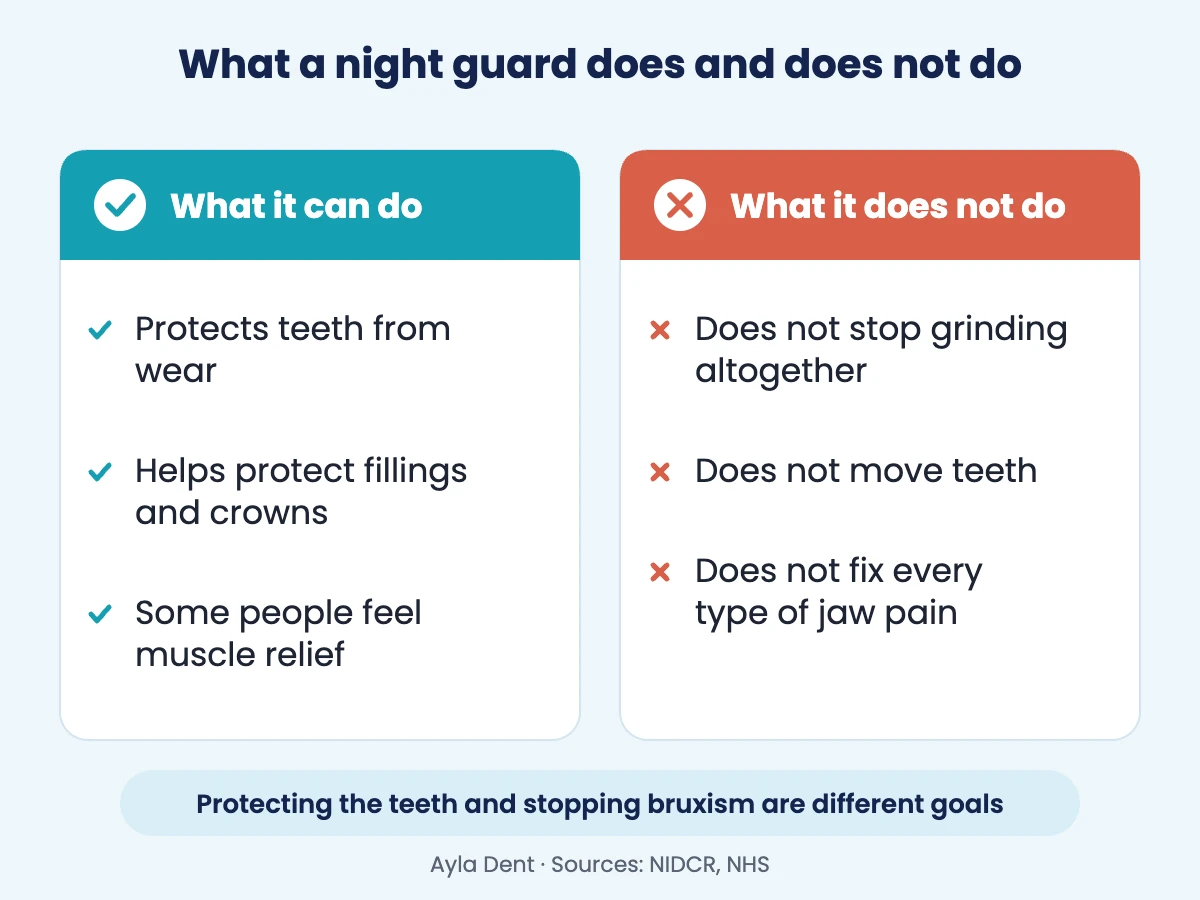
Its main job is to reduce the mechanical damage that clenching and grinding forces can cause during sleep.
Protecting Against Tooth Wear
Grinding rubs the tooth surfaces against each other. A well-designed night guard places a protective layer between them, which helps manage the risk of wear.
Protecting Fillings and Crowns
In some patients, clenching is linked to damage to fillings, crowns and other restorations. A protective appliance can be part of the treatment plan for suitable patients.
Jaw Muscle Symptoms
Some people say their jaw muscles feel more relaxed when they wear a night guard. However, NIDCR notes that there is not much evidence on whether oral splints improve TMJ pain, and results cannot be reliably predicted for each person.
Related reading: TMJ Disorder: Symptoms, Jaw Clicking and Joint Position
Does a Night Guard Stop Teeth Grinding?
This is an important distinction.
A night guard mainly protects the teeth. It does not stop grinding altogether.
Sleep bruxism is linked to the nervous system and sleep processes, so placing an appliance between the teeth may not change what drives it.
Related reading: What Is Bruxism? Teeth Grinding Causes and Treatment
How Is a Custom Night Guard Made?
It starts with a dental check-up. The dentist looks at your teeth, your bite, any fillings or crowns and how much protection you need.
If a night guard is suitable, your teeth are recorded with a traditional impression or a digital intraoral scan.
When the guard is ready, the dentist checks the fit, the contacts with your teeth and how comfortable it feels, and adjusts it if needed.

How Do You Use a Night Guard?
How often and how long you wear it depends on the type of appliance and your needs.
Most night guards are worn during sleep. Follow your dentist’s instructions on when and how to wear it.
If you feel strong pain, noticeable pressure on the teeth or a change in your bite, stop wearing it and contact your dentist.
How Do You Clean a Night Guard?
Cleaning and storage depend on the material. In general:
- Rinse it with lukewarm water after use.
- Follow the cleaning method recommended by your dentist and the manufacturer.
- Avoid very hot water, which can distort the material.
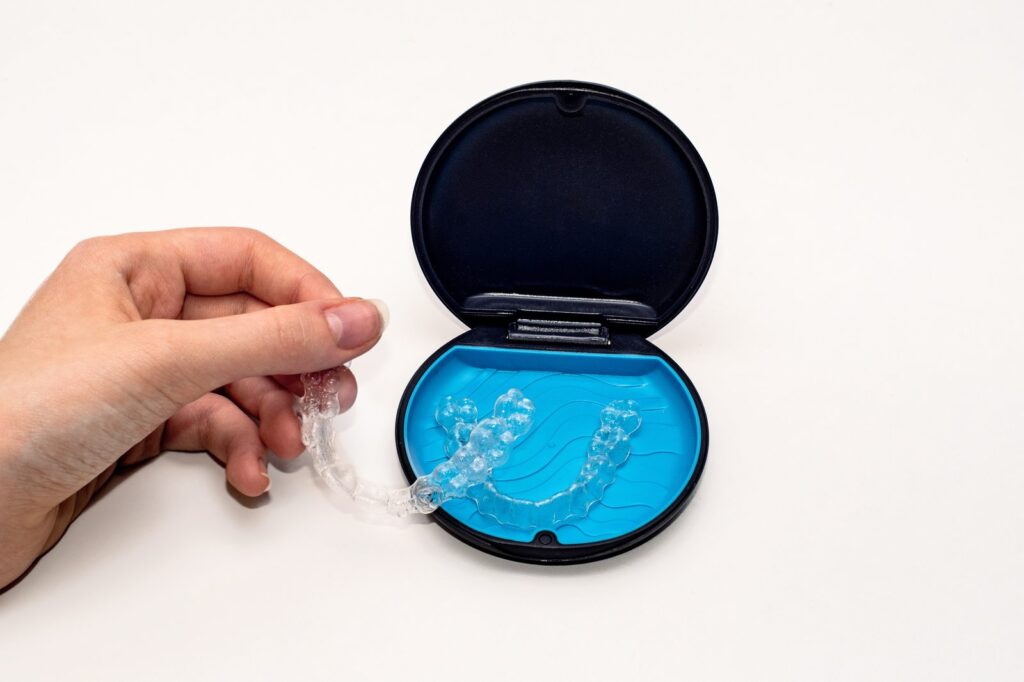
- Let it dry as advised and keep it in its case.
- Have it checked if it cracks, breaks or changes shape.
Some toothpastes are abrasive, so brushing with toothpaste is not suitable for every type of guard.
How Long Does a Night Guard Last?
There is no single lifespan that applies to everyone.
The material, the force of your clenching, how often you wear it and how well you look after it all affect how long it lasts.
Your dentist can check the fit and wear at regular visits.
Over-the-Counter vs Custom Night Guard
Ready-made guards and guards made by a dentist differ in fit, contact control and how much they can be adjusted.
A poorly fitting appliance can be uncomfortable or put unwanted pressure on the teeth.
If you plan to wear one long term, a dental assessment is worthwhile.
Frequently Asked Questions
Does a night guard relieve jaw pain?
It may help some people, but it does not work for every type of jaw pain. The cause of the pain should be assessed separately.
Is a night guard worn on the upper or lower teeth?
Both are possible. The choice depends on your clinical needs and the design of the appliance.
Will a night guard straighten my teeth?
No. Standard protective night guards are not designed to move teeth.
Is it normal for teeth to hurt with a night guard?
A new appliance can feel strange at first. Ongoing pain or noticeable pressure is not normal and should be checked.
Does a night guard cure bruxism?
No. Protecting the teeth and stopping bruxism are two different goals.
Conclusion
A night guard is a protective appliance that can limit tooth damage from clenching and grinding. Good design, correct use and regular check-ups make the difference.
This article is for general information only. Whether you need a night guard is decided after a personal examination.
Grinding can shorten the life of crowns and veneers. See dental veneers and zirconia crowns for more.
Sources
- NIDCR – Temporomandibular Disorders (TMDs): https://www.nidcr.nih.gov/health-info/tmd
- NHS – Teeth grinding (bruxism): https://www.nhs.uk/symptoms/teeth-grinding/
- NIDCR – Bruxism: https://www.nidcr.nih.gov/health-info/bruxism