
Composite bonding is a cosmetic treatment where tooth-coloured composite resin is bonded to a tooth and sculpted into shape. When it covers the whole front of the tooth, it’s called a composite veneer. It can fix chips, gaps, discolouration and shape issues, often with little or no tooth removed.
Bonding works by adding material to a tooth instead of taking tooth away. That makes it one of the most reversible cosmetic options. The trade-off is that composite stains, wears and needs more upkeep than porcelain.
This guide covers what bonding is, when it’s used, what research shows and how it compares with porcelain veneers.
What Is Composite Bonding?
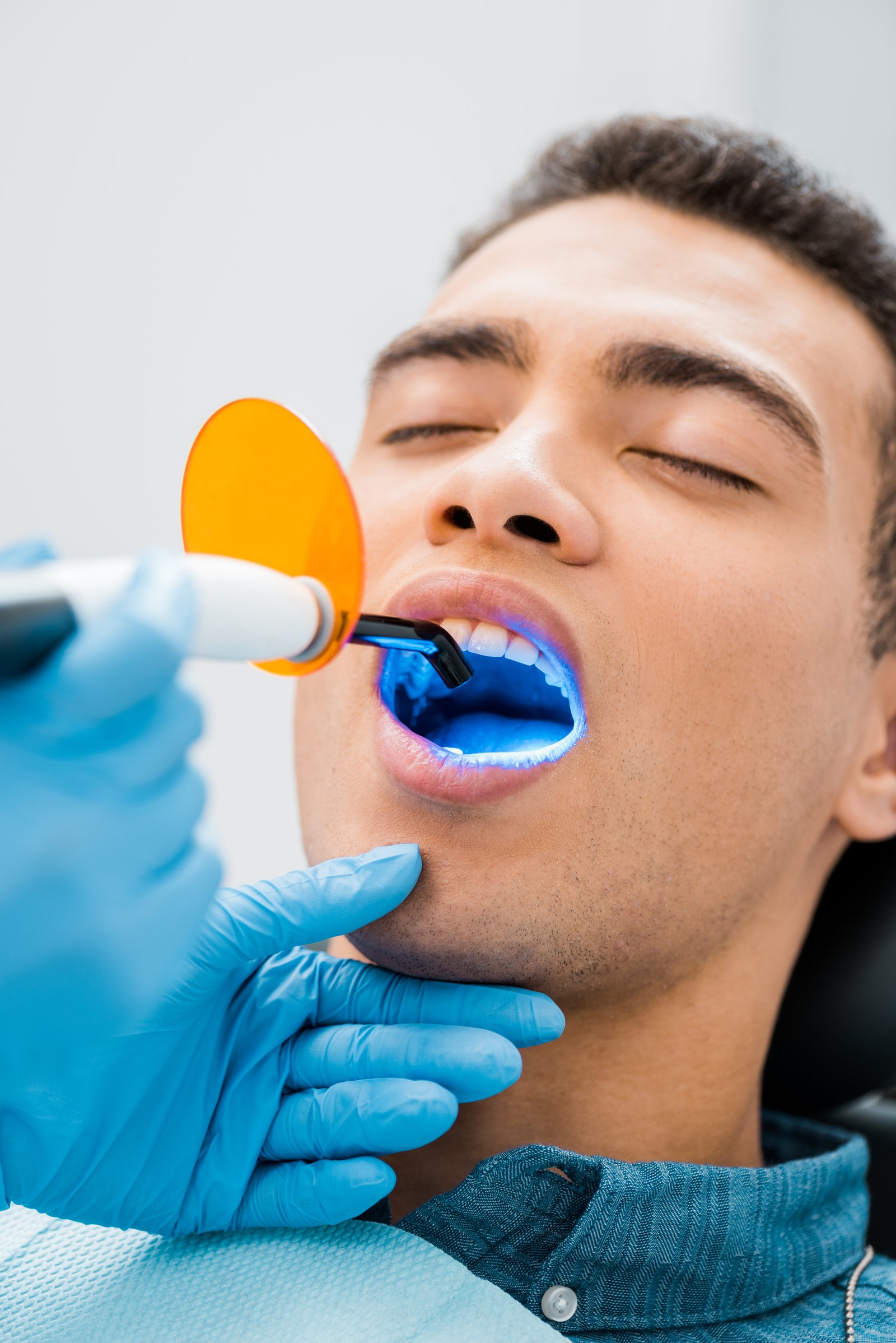
Composite is a tooth-coloured material made of resin and tiny glass-like filler particles. During bonding, it’s applied to the tooth in layers, shaped, hardened with a curing light and then polished.
It’s usually done directly in the mouth. In some cases, it can be made in a lab and bonded afterwards (indirect).
Common uses include:
- Edge repair: fixing small chips and notches
- Gap closure: closing spaces between front teeth by adding material to their sides
- Reshaping: building up small, short or unusually shaped teeth
- Composite veneers: covering the entire front surface of a tooth
When Is Bonding Used?
- Small chips and worn edges on front teeth
- Small gaps between teeth
- Small or peg-shaped side incisors
- Mild discolouration and marks
- Minor proportion tweaks after orthodontic treatment
- In younger patients, to protect a tooth until another treatment is appropriate
Composite can also be used for sensitivity or wear at the neck of a tooth near the gumline.
Advantages
- Little or no tooth removed: often done without drilling, or with only light roughening.
- Often one visit: direct bonding is usually finished the same day.
- Repairable: a chipped or worn section can be fixed without replacing everything.
- Reversible: if no tooth was removed, you can move to a different treatment later.

Limits
- Staining: coffee, tea, cola and smoking can discolour it over time.
- Wear and loss of shine: regular polishing may be needed.
- Chipping: small fractures can happen, especially on biting edges and in people who grind.
- Skill-dependent: results depend heavily on the dentist’s hand skills and aesthetic planning.
What Does the Research Say?
A systematic review of composite restorations on front teeth evaluated 1,821 restorations across 17 studies. Annual failure rates ranged from 0% to 4.1%. The most common reason for failure was fracture of the tooth or restoration. When restorations were placed for cosmetic reasons, aesthetic problems such as colour, shape and surface staining were more common (Demarco et al., 2015).
A meta-analysis of composite veneers found an overall survival of 88% in randomised trials with 2 to 8 years of follow-up. Veneers made directly in the mouth did better than lab-made ones. The most reported issues were surface roughness, colour mismatch and edge staining (Lim et al., 2023).
Composite or Porcelain?
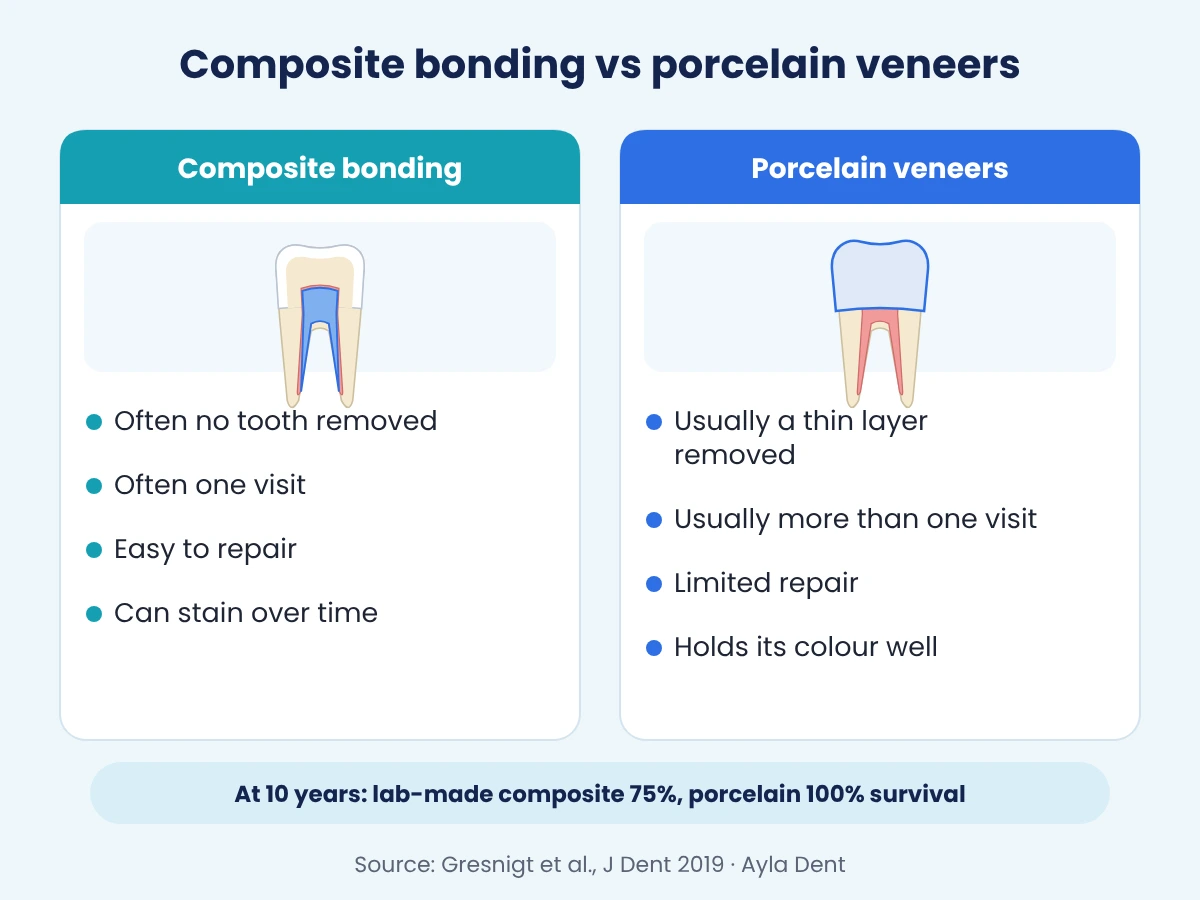
A randomised clinical trial compared lab-made composite veneers with porcelain veneers. After 10 years, all the porcelain veneers survived, compared with 75% of the composite ones. The surviving composite veneers also scored worse for colour match, surface roughness, fractures and wear (Gresnigt et al., 2019).
That result applies to lab-made composite. Keep the difference in mind when comparing it with direct bonding.
| Composite bonding | Porcelain veneers | |
|---|---|---|
| Tooth removal | Often none or minimal | Usually a thin layer |
| Visits | Often one | Usually more than one |
| Colour stability | Can stain over time | Holds colour well |
| Repair | Easy | Limited |
| Upkeep | May need regular polishing | Less |
Which suits you depends on your teeth, how big a change you want and what you expect from the result. For more on porcelain, see Veneers.
How Bonding Is Done
- Planning: teeth, bite and colour are assessed, sometimes with a digital design or mock-up.
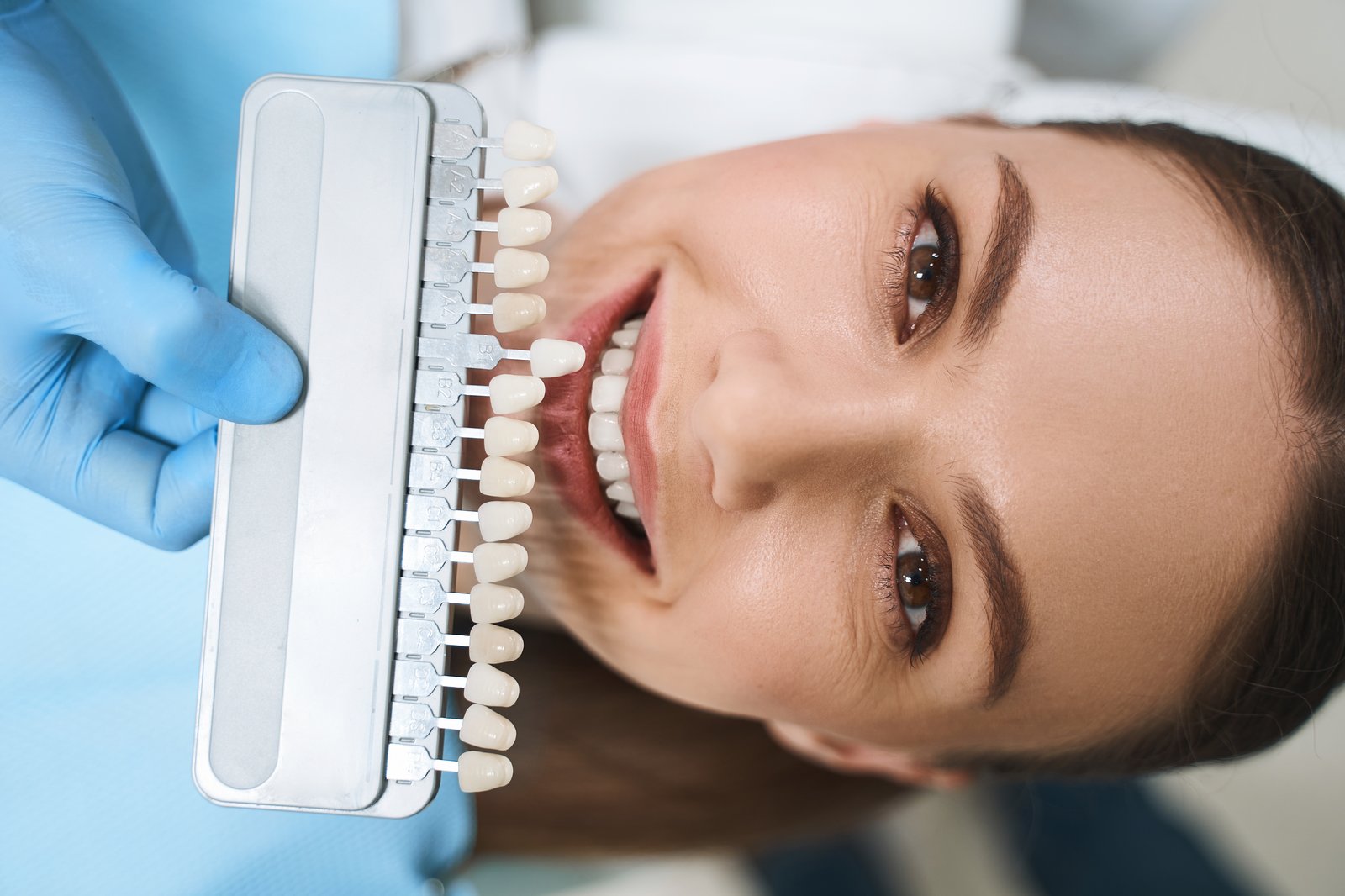
- Shade selection: composite shades are matched to the neighbouring teeth.
- Surface preparation: the tooth is cleaned and prepared for bonding.
- Layering: composite is placed, shaped and light-cured.
- Finishing: the bite is checked and the surface is polished to a natural shine.
How Long Does Bonding Last?
It depends on where it is, how much was done, grinding habits, diet and oral hygiene. Research results vary widely. To help bonding last:
- Have it polished at check-ups
- Rinse with water after staining drinks
- Stop smoking
- Don’t bite hard objects with your front teeth
- Wear a night guard if you grind
- Clean between your teeth with floss
Frequently Asked Questions
Does bonding damage teeth?
In most cases, little or no tooth is removed, so the impact on tooth structure is small.
Can I whiten my teeth with bonding?
Whitening doesn’t change the colour of composite. If you’re planning to whiten, do it before bonding so the shade can be matched.
What’s the main difference between composite and porcelain veneers?
Composite needs less tooth removal, is quicker and is easy to repair. Porcelain holds its colour and shine for longer.
Can I have bonding if I grind my teeth?
Yes, but the risk of chipping is higher. The plan takes this into account, and a night guard is usually recommended. See What Is Bruxism?
Summary
Composite bonding is an option for small cosmetic issues on front teeth that aims to get results while keeping your natural tooth. Little tooth is removed, it’s often done in one visit and it can be repaired. In return, it needs more upkeep than porcelain and can stain over time.
The right option is decided after an exam and smile planning.
This article is for general information. It does not replace an examination.
Sources
- Demarco FF, Collares K, Coelho-de-Souza FH, Correa MB, Cenci MS, Moraes RR, Opdam NJM. Anterior composite restorations: A systematic review on long-term survival and reasons for failure. Dent Mater. 2015;31(10):1214–1224. https://pubmed.ncbi.nlm.nih.gov/26303655/
- Lim TW, Tan SK, Li KY, Burrow MF. Survival and Complication Rates of Resin Composite Laminate Veneers: A Systematic Review and Meta-Analysis. J Evid Based Dent Pract. 2023;23(4):101911. https://doi.org/10.1016/j.jebdp.2023.101911
- Gresnigt MMM, Cune MS, Jansen K, van der Made SAM, Özcan M. Randomized clinical trial on indirect resin composite and ceramic laminate veneers: Up to 10-year findings. J Dent. 2019;86:102–109. https://pubmed.ncbi.nlm.nih.gov/31181242/